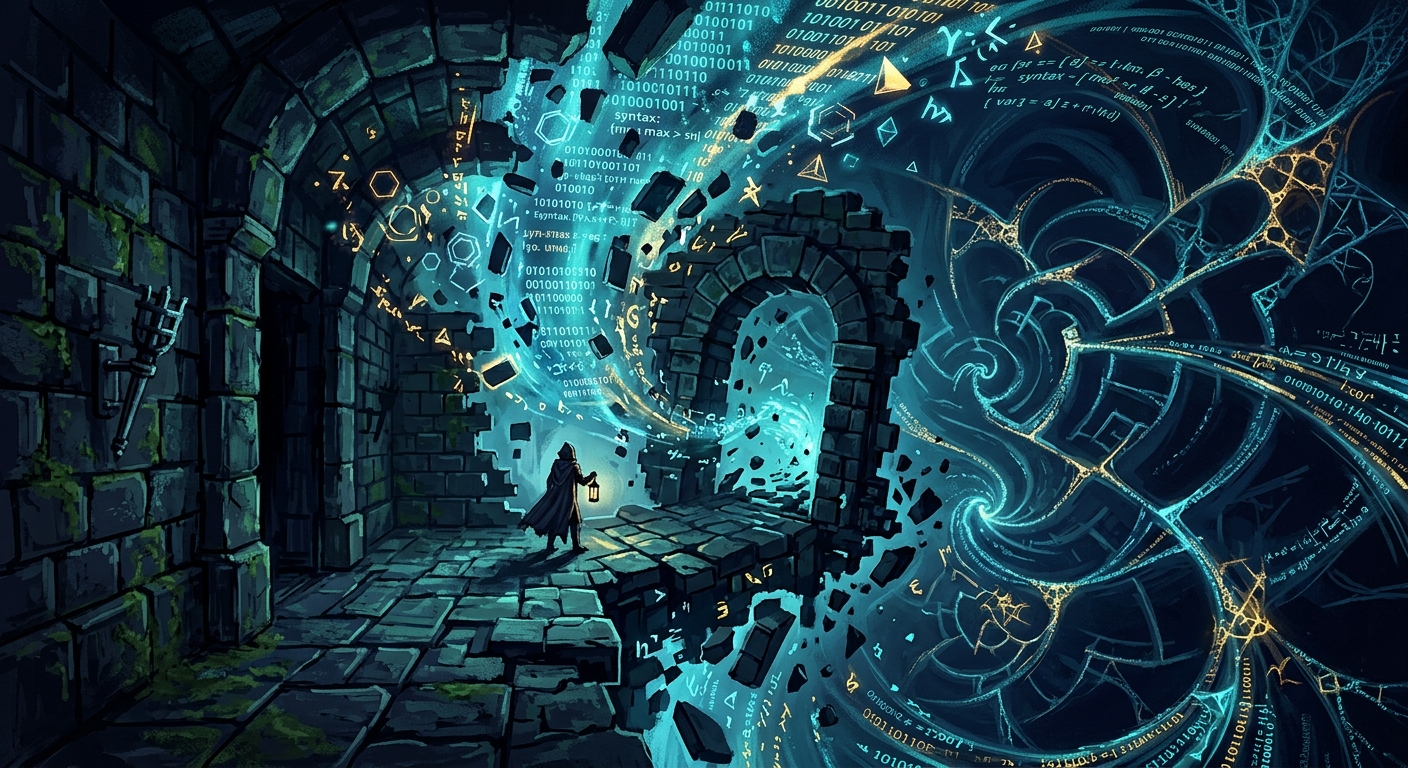
Procedural generation and persistent progression have reshaped indie gaming. Once a niche pursuit, these mechanics now define a significant portion of the market. They represent more than just design choices; they signal a fundamental shift in how games are built and consumed. This transformation challenges traditional notions of game authorship and player engagement.
The Roguelike Roots and the Reinvention of Random
The concept of randomly generated worlds is not new. Early games used it out of necessity, not design. The original Rogue, a text-based dungeon crawler, shuffled its levels because memory was limited. This constraint, however, birthed a powerful idea: replayability through infinite variation. Developers stumbled upon a profound principle. Every run could feel distinct, a new challenge tailored by an unseen algorithm. This wasn't merely random; it was emergent design.
- The initial roguelikes, born from technical constraints, made randomness a core philosophical tenet. They ensured each play session offered an unfamiliar challenge.
- Modern developers consciously re-engage with this legacy. They seek to create replayability without needing vast pre-authored content. This changed the economic model of game development.
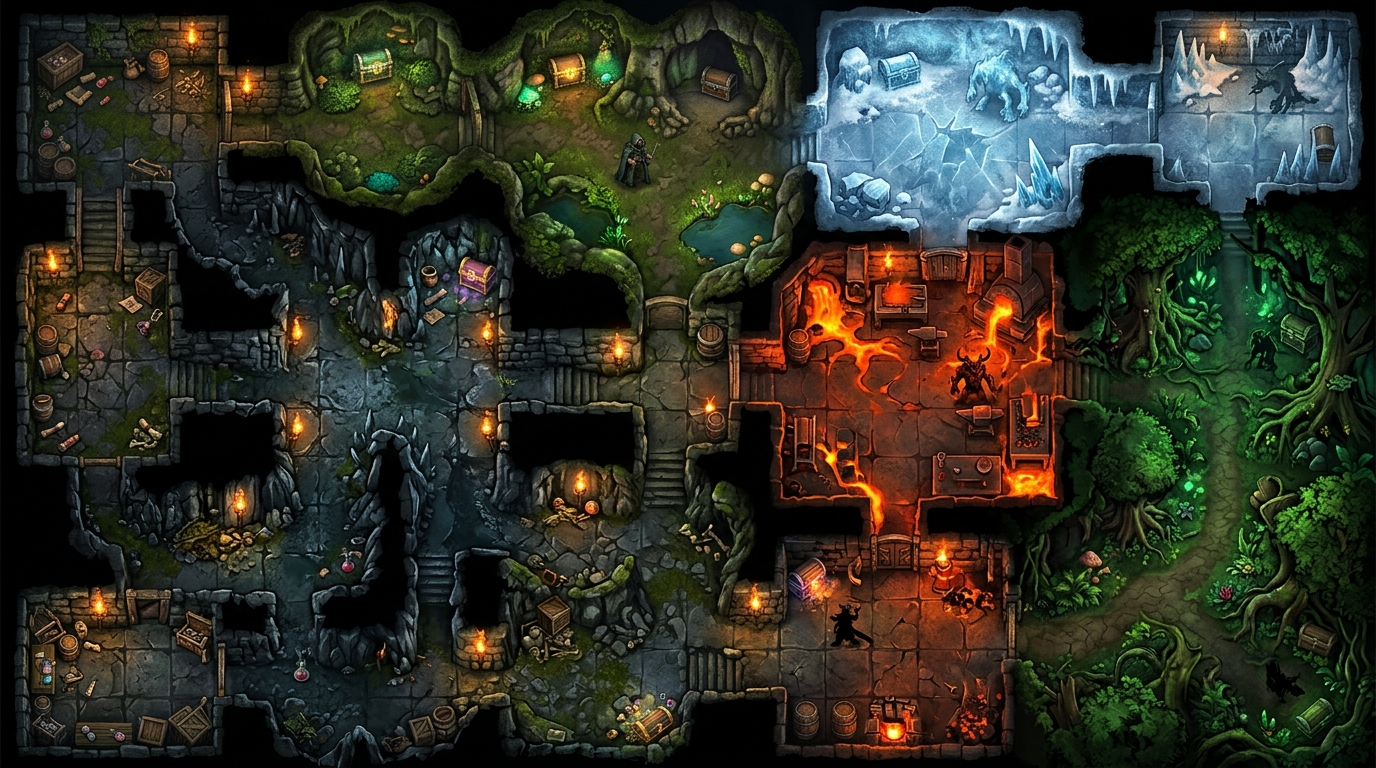
- Tools like Unity and Godot democratized this power. Small teams could now generate expansive content. They avoided the prohibitive asset budgets of larger studios. This shifted creative agency within the industry.
Persistent Progression: The Metagame That Changes Everything
Pure roguelikes punish failure by stripping everything away. The roguelite, its descendant, adopted a different philosophy. It layered persistent progression onto the core loop. Players might lose a run, but they retained narrative insights, new abilities, or permanent stat boosts. Death became a form of currency. It bought forward momentum, not just a reset. This change broadened the genre's appeal significantly. It moved beyond a hardcore niche. Players felt progress, even in defeat. This psychological shift was crucial.
The metagame layer transformed the player's relationship with failure. Each lost run contributed to a larger, persistent goal. Telemetry data confirmed its commercial viability. Studios observed increased session lengths and higher weekly retention. Publishers took notice. Roguelites proved they could sustain engagement. They offered a path to long-term monetization through constant, incremental rewards. This solidified their place in the market.
The December 2025 Surge and the Genre's Current Velocity
The genre's growth is not merely anecdotal. Tracking sites like Rogueliker documented a significant surge in December 2025. New roguelikes and roguelites flooded the market across every major platform. PC, Switch, PlayStation, Xbox, Android, and iOS all saw concurrent releases. This wasn't a localized trend. It signaled a widespread industry commitment. The pipeline shows no signs of slowing down, suggesting a mature, established category.
This multiplatform presence is critical. It proves procedural games are not niche curiosities tied to one ecosystem. They are a mainstream commercial force. They possess their own seasonal rhythms, their own review infrastructure, and dedicated communities. Roguelites now compete for holiday gifting slots. This positions them against major franchise titles. The subgenre has transcended its cult origins. It is a formidable player in the global market. Its velocity challenges any remaining skepticism about its staying power.
Arcade DNA and the Roguelite Synthesis
Many successful roguelites draw directly from arcade design. They embrace short, intense loops and immediate feedback. This aligns naturally with procedural generation. Randomly assembled levels need to communicate threats quickly. They cannot rely on extensive tutorials. The player must grasp opportunity and danger on sight. This demands intuitive mechanics, a hallmark of coin-op cabinets. Think of the instant legibility of a game like Asteroids Remake or Segment Storm. Roguelites carry this immediacy.
The arcade lineage means score attack culture endures. Leaderboards, daily seeds, and challenge runs act as modern high-score tables. Players chase efficiency, mastery, and optimal paths through unpredictable spaces. This is not just about clearing content; it is about perfect execution. The procedural systems provide an endless arena for this pursuit. They reward twitch literacy and strategic adaptation. The roguelite did not discard arcade sensibility. It absorbed it, adding layers of depth and narrative that contemporary players expect.
What Comes Next: Procedural Generation in 2025 and Beyond
The future of procedural generation moves beyond simple randomization. Reports from 2025 highlight a shift towards hybrid systems. Designers now blend handcrafted set pieces with procedural seeding. This offers authorial control over emotional beats. It preserves the unpredictability that makes each run unique. It’s a synthesis, not a replacement. Developers can sculpt experiences while maintaining infinite replayability. This nuanced approach signals maturity in design.
Machine-learning-assisted generation is also entering early production. Small teams experiment with AI models. These models aim to produce more than just shuffled tiles. They generate contextually coherent lore, dialogue, and complex enemy behaviors. This promises a qualitative leap in procedural content. The goal is richness, not just volume. The community also drives innovation. Players share seeds, dissect algorithms, and build modding tools. Roguelites have become living design laboratories. This blurs the line between creator and consumer, pushing the boundaries of interactive authorship itself.
Sources

Julian Thorne is a seasoned house writer for GoAndGame, known for his deep dives into obscure game mechanics and industry trends. He often explores the sociological impact of gaming, blending critical analysis with historical context.


