Frostpunk 2 is a city-survival and city-building strategy game from 11 Bit Studios. It came out on September 17, 2024. The story starts 30 years after a blizzard turned Earth into an icy wasteland. The first game was about getting a small group through the cold. This one says the bigger danger is human nature and its thirst for power (Source 1).
This piece is built from two IGN pages. It is a buying guide more than a verdict. Where the sources say nothing, I say so. The content rating is Mild Violence, Blood, Strong Language, Mild Sexual Themes and Drug References, so check that before you hand it to anyone.
What changed from the first game
Reviewer Dan Stapleton calls the sequel a bold follow-up that takes an almost entirely different approach to city-building, not a safe iteration (Source 2). Building placement, resource management and city heating were all reworked. If you remember the first game's tight, street-level layout, expect to relearn the basics.
“Frostpunk 2 is a bold follow-up that takes an almost entirely different approach to city-building than the original, not a safe iteration.”
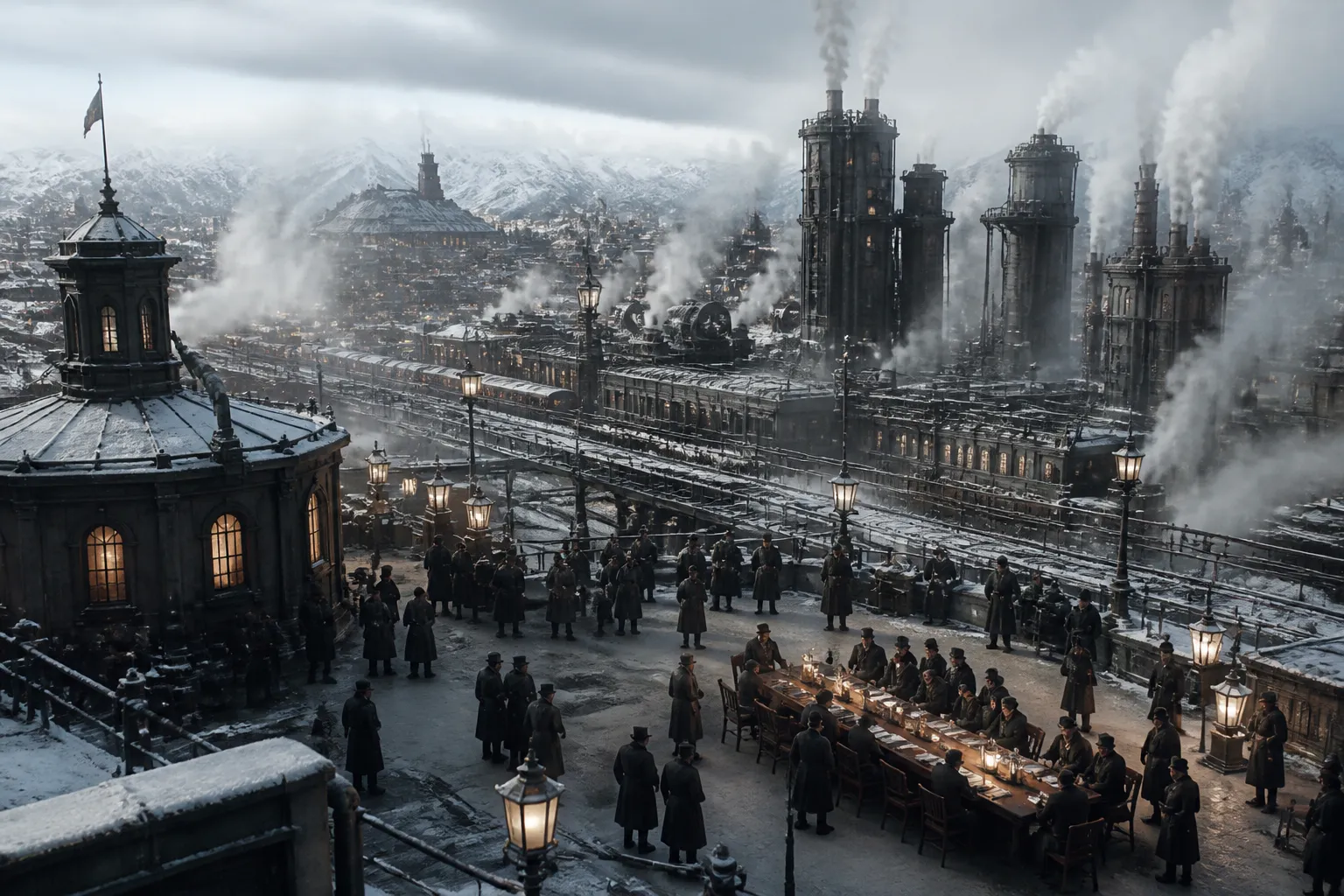
The view is also zoomed out. You see less of the individual intimacy that defined the first game. The review summary puts the trade plainly. The larger scale is less intimate, but more complex socially and politically (Source 1). Whether that is a gain or a loss depends on what you wanted from the original.
Politics and moral choices
The political system is how you deal with the people of New London. IGN describes it as quid-pro-quo negotiation inside a representative democracy (Source 2). You trade favors, and each favor costs something somewhere else.
The same review says the game includes morally questionable decisions as you build your society. The sources give no detail on how any single choice plays out, so I will not guess at specific outcomes. What they do establish is that these decisions sit inside the main loop of play.
One choice is named. IGN's guide topics include choosing Order or Faith, alongside tightening belts, getting more food, increasing heat and transferring oil (Source 1). That list is a decent map of where players seem to get stuck. Heat and food are the survival basics. Order or Faith is the point where ideology enters. The sources do not explain how the Order and Faith choice changes the game, so I cannot say which path is easier.
Atmosphere and the missing people
The mood is cold and tense. IGN points to bone-chilling weather effects and music that swells as city tension rises (Source 2). Those two details do a lot of work in a game where you spend much of your time in menus and meetings.
There is one small complaint worth noting. The reviewer had just replayed the first game, and at first missed seeing people walking in the streets (Source 2). That is a single reviewer's reaction, not a consensus. It still tells you something concrete. The zoomed-out view changes how a city feels, not only how it plays.
Time, scores and the price question
HowLongToBeat estimates 12 hours for the main story, 22 hours for story plus sides, and 55 hours for everything. Across all play styles it lists 15 hours (Source 1). Read that as a spread. A player who only follows the story gets a short campaign. A player who wants every side thread is signing up for more than four times that.
Two numbers appear on IGN's page. One is a rating of 7.6 from 85 ratings. The other is a review score of 8. The page does not explain the difference (Source 1). A figure built from 85 ratings is probably reader-driven, while the 8 appears to be the editorial score. That is an inference, not something the source states. Treat the 8 as one critic's opinion and the 7.6 as a small sample.
Price is the missing piece. The sources list no price, and the platforms field is blank. Since the story-only run is short, check the price and your platform before you decide.
Who should play it
The review suggests the game suits players who want a more complex social and political city-builder and accept less intimacy than the original (Source 1). If you loved the first game for its small-group desperation, be careful. If you liked the hard calls more than the shoveling, this looks aimed at you.
Ask yourself three things before buying:
- Does a zoomed-out view still give you the personal focus you liked before?
- Are you comfortable with morally difficult choices and the content in the rating?
- Is a 12 to 22 hour story the right size for the price you find?
Some gaps remain. The PC Gamer page in my sources held only navigation and sign-up text, so I have no second outlet's verdict (Source 3). I also have nothing on performance, system requirements, difficulty settings or tutorials. Read a full second review before you spend money.

Julian Thorne is a seasoned house writer for GoAndGame, known for his deep dives into obscure game mechanics and industry trends. He often explores the sociological impact of gaming, blending critical analysis with historical context.