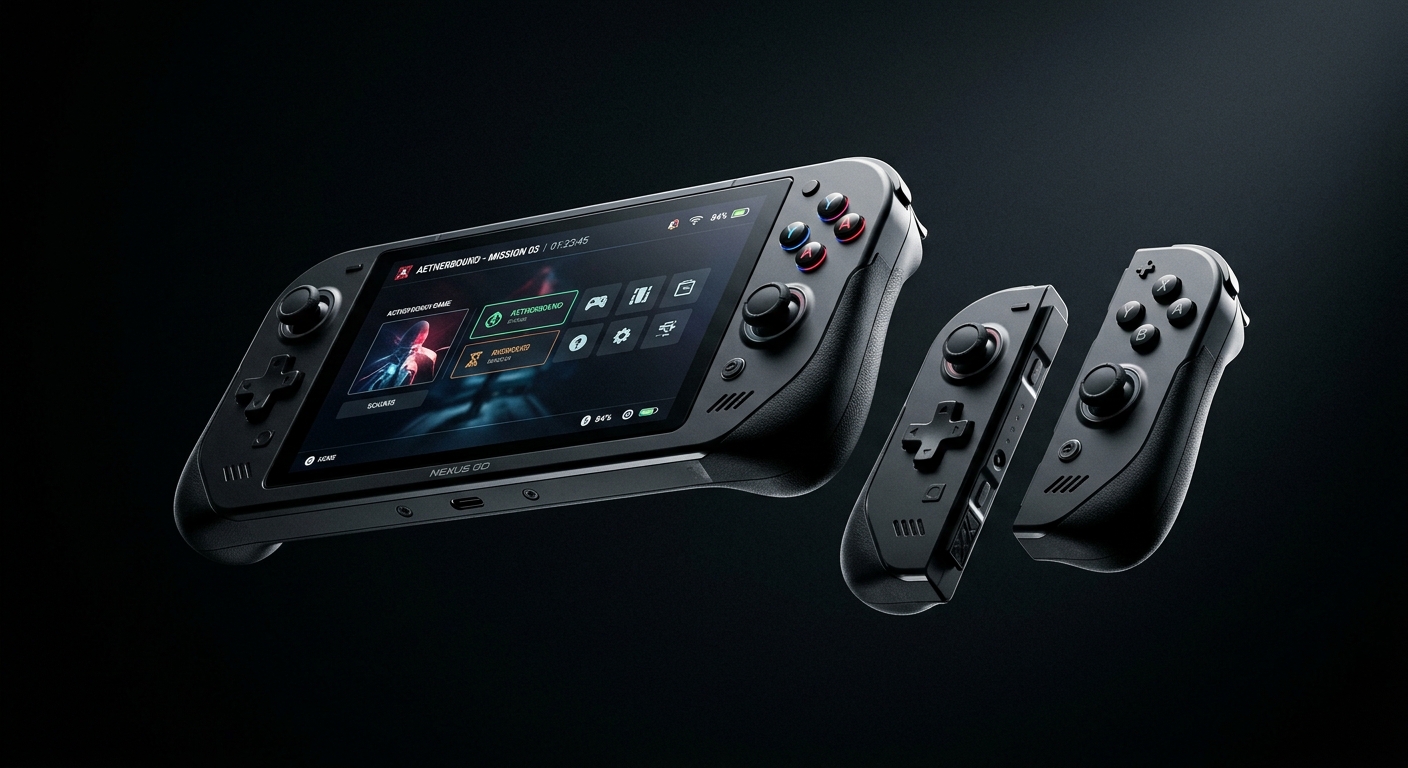
Nintendo does not often get to have a clean win. The original Switch launched on a prayer and a port of Breath of the Wild and somehow became one of the best-selling consoles ever made. The Switch 2 had to follow all of that, at $449.99, into a market that had spent eight years getting comfortable with the old hardware. By the end of 2025, the consensus was that Nintendo had pulled it off, and the details of how are worth unpacking.
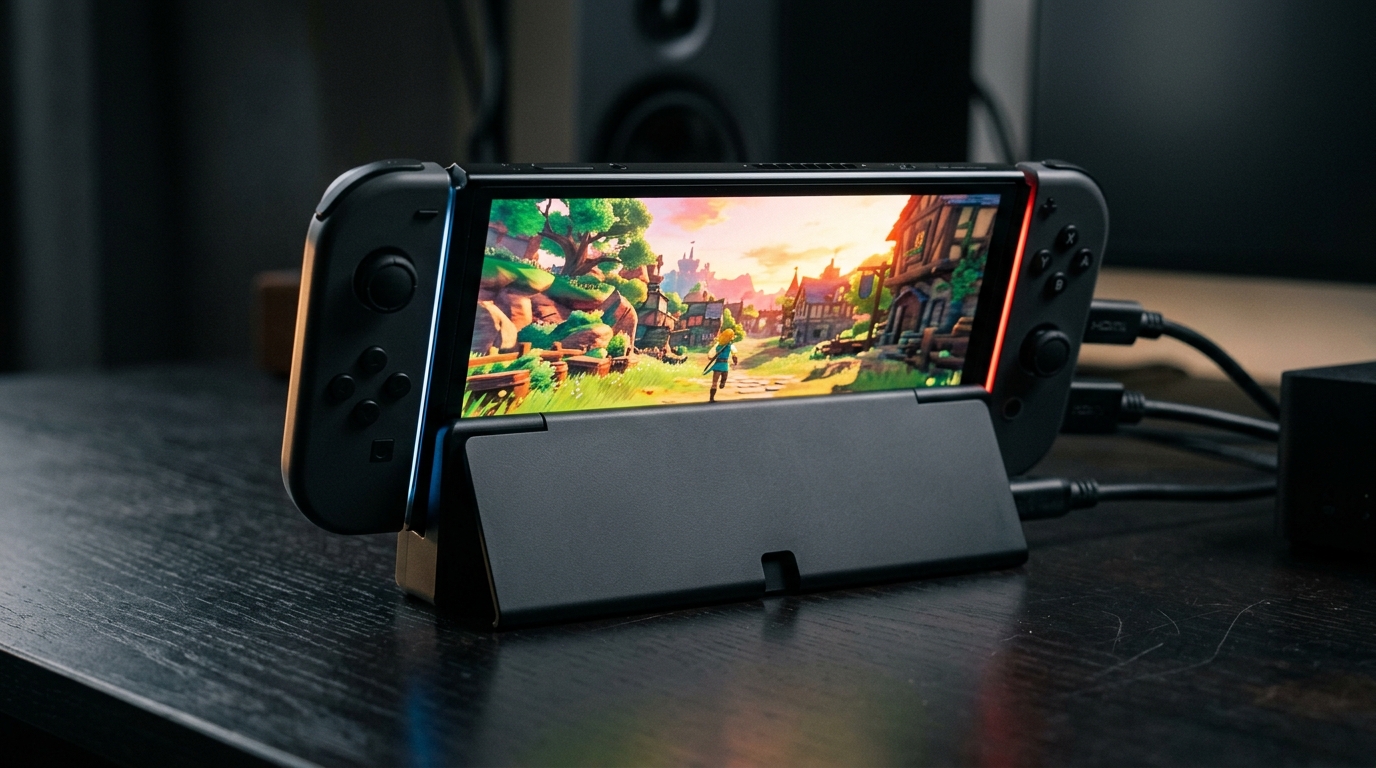
Built Different: What the Hardware Actually Offers
Start with what you can see and feel. The Switch 2 carries a 7.9-inch LCD screen, noticeably larger than its predecessor, and the hinge that connects the screen to the body is measurably sturdier. The Joy-Con controllers now snap on magnetically instead of sliding along a rail, which was a change that addressed one of the most widely complained-about failure points on the original unit. Anyone who had a Joy-Con drift or a cracked rail on an old Switch understood immediately why that redesign mattered.
Under the screen, Nintendo moved to a custom Nvidia chip that pushes the system comfortably past last-generation home console performance when docked. Reviewers at Nintendo Everything noted that the jump in visual fidelity is obvious when you put a Switch 2 launch title next to comparable Switch software on the same television. The ceiling in docked mode includes 4K output in select titles, and even where launch games did not fully hit that mark, the hardware's headroom made a real impression.
The one addition that split opinion was the C button, a dedicated shortcut to GameChat, Nintendo's voice and video overlay. Critics who praised it pointed to the potential for genuinely integrated social play without a third-party app. Critics who were skeptical asked a fair question: would third-party developers actually build around it, or would it become another feature that Nintendo used well and everyone else ignored? The jury was still out at launch, but the button itself worked as advertised.
Launch Window Reception and Critical Response
Hardware reviews landed broadly positive, and the consistent thread was that Nintendo had listened. The Joy-Con ergonomics improved. The kickstand, famously flimsy on the original Switch, now spans the full width of the unit and holds a reasonable angle without wobbling. These are not glamorous fixes, but they are the kind that players notice after an hour on a couch or a long train ride.
NoobFeed's end-of-year retrospective described the launch as one of Nintendo's more confident hardware debuts in recent memory. That confidence came from two directions at once: a strong first-party launch lineup that gave the hardware something to show off immediately, and full backward compatibility with the existing Switch library, which meant buyers had thousands of games available on day one. That combination is harder to pull off than it sounds, and Nintendo managed it without obvious compromise on either side.
Docked performance drew the most discussion among technical reviewers. The 4K targeting in select titles was treated less as a finished product feature and more as a statement about where the hardware was headed. That kind of forward-looking enthusiasm shaped early reception as much as anything the system was doing right at launch.
Sales Figures and Market Context
The numbers backed up the reviews. The Switch 2 broke Nintendo's own pre-order records across multiple regions before it even shipped, and physical sell-through data in the first weeks showed it tracking ahead of the original Switch's comparable launch window. That is a remarkable benchmark given that the original Switch went on to sell over 140 million units.
Nintendo Everything's year-end look back at the company's full 2025 identified the Switch 2 launch as the defining commercial event, with software attach rates that outpaced industry averages. That figure matters because attach rate tells you something specific: buyers were not just picking up the hardware and parking it. They were buying games, which means they were playing.
The $449.99 price point generated real hesitation among some consumers before launch. Entry-level competitors offered lower price tags, and the conversation about whether Nintendo's premium was justified was loud in the weeks before the hardware shipped. By the close of the year, sales data had largely settled that argument in Nintendo's favor, though the price remained a friction point for families and buyers who had never owned a Switch before.
- Pre-order records broken in multiple regions before ship date
- First-week sell-through tracked ahead of the original Switch's launch window
- Software attach rates above industry averages, suggesting active engagement rather than shelf purchases
- $449.99 price point debated at launch but validated by year-end sales patterns
Early Verdict and What It Means Going Forward
Threading a needle is the right way to describe what Nintendo had to do. The company needed the Switch 2 to feel like a real generational upgrade without making eight years of Switch purchases feel worthless. Backward compatibility was the lever that made both things possible at once. Players with large digital libraries had an immediate reason to invest. Players new to Nintendo had a massive back catalog available from day one at no additional cost to the platform.
By December 2025, the hardware review consensus had settled. The Switch 2 was a genuine step forward, not a repackage. The magnetic Joy-Cons, the larger screen, the improved kickstand, the docked performance headroom, and the GameChat integration all pointed to a company that had spent eight years reading feedback and had finally had the time and the technical tools to act on it.
The open question heading into 2026 was software cadence. Launch windows are curated moments, and Nintendo has had stretches mid-cycle where the release calendar thinned and players felt the gap. Whether the third-party momentum visible at launch, combined with Nintendo's own first-party pipeline, could hold through a full second year was the conversation shifting from hardware forums to software tracking sheets. The hardware had earned its reception. Keeping it was the next job.
If you want to get a feel for fast-reflex arcade energy while waiting for the next big Switch 2 drop, the Star Dive and Segment Storm catalogs are worth a look in the meantime.
Sources

Mara Solis is a staff writer at GoAndGame covering board games, tabletop strategy, and the culture around competitive play. She has spent years logging hours at game tables from local hobby shops to international conventions. Her writing blends practical insight with a genuine enthusiasm for the communities games create.


