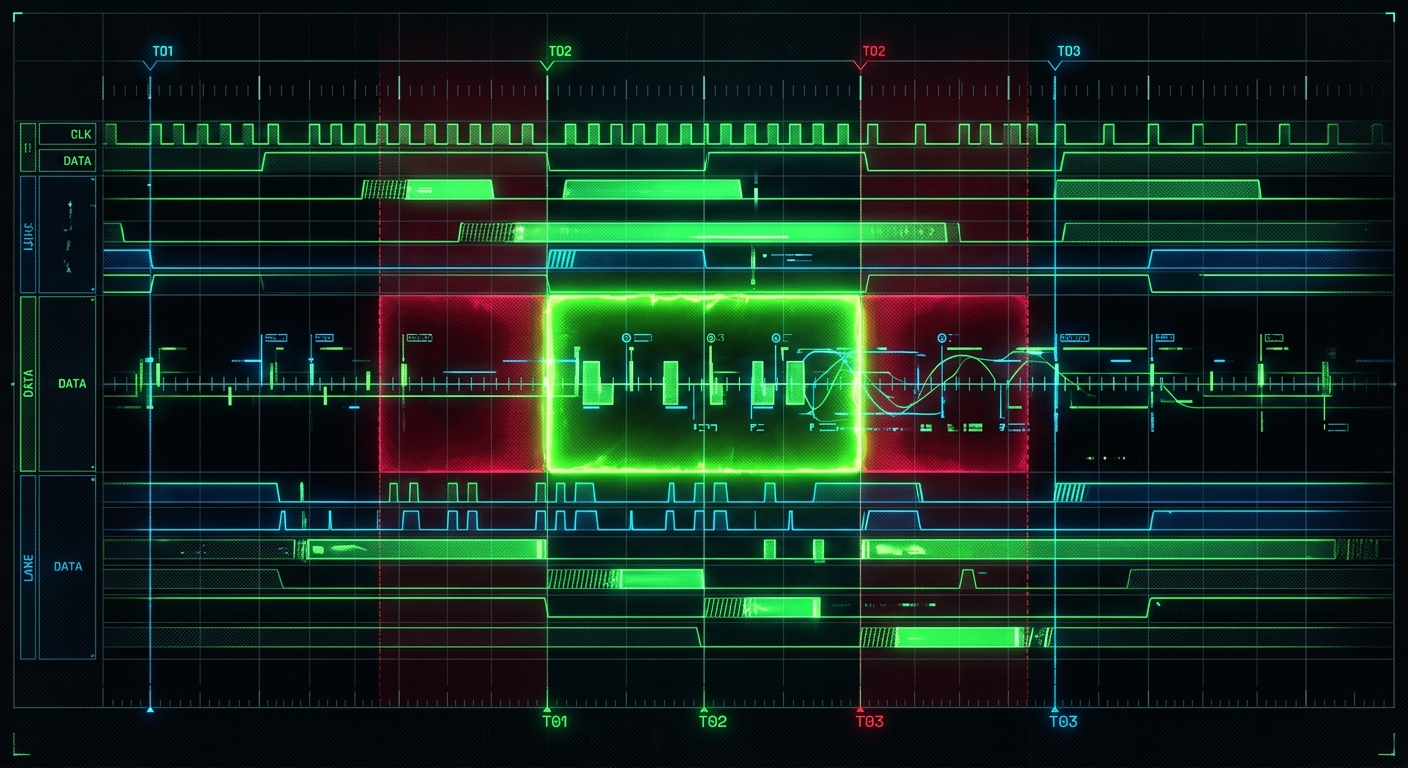
Most players who pick up GoAndZap treat it as a reflex game. Point, zap, move on. What the competitive community has quietly built over dozens of patch cycles is something closer to a discipline, one where a single poorly timed button press costs four seconds and a correctly managed boost meter means the difference between a leaderboard run and a restart. The strategy metagame here is technical, collaborative, and genuinely hard to master, and it rewards people who show up to study, not just to play fast.
"Keeping the meter between thirty and sixty percent lets skilled players sustain near-maximum speed without ever triggering the costly refill animation."
The Zap-Dash Timing Window Explained
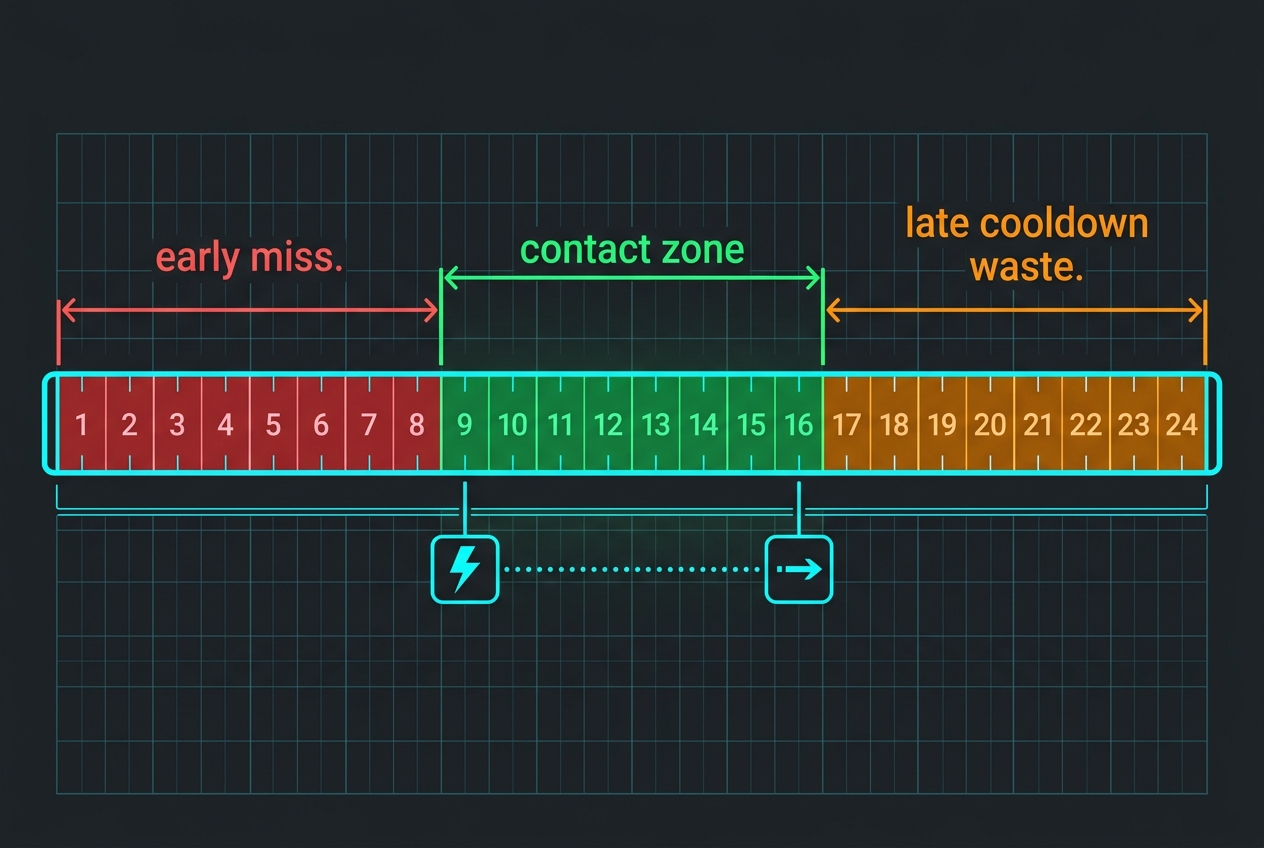
At the center of everything is the zap-dash, a frame-precise input that cancels the tail end of a zap animation into a full-speed dash before the cooldown clock technically starts. The window is narrow, measured from the moment the zap beam makes surface contact. Most players find the technique by accident first, notice something felt faster, and then spend weeks trying to reproduce it on purpose. That gap between stumbling onto a technique and owning it reliably is where most competitive careers stall out.
Chain the technique across three or more consecutive surfaces and the community's name for the result is a lightning rail. In a game where top runs are decided by fractions of seconds per stage, a successful lightning rail through a long corridor is not a marginal gain. It is the single highest-value technique in the metagame, and nearly every other strategic decision in a serious run is organized around whether or not a lightning rail is executable in a given section. If the geometry does not support it, you reroute. If it does, you plan your boost reserves around arriving at the corridor entrance with enough energy to commit.
Segment Routing and Corridor Priority
Experienced runners stopped treating GoAndZap stages as single linear paths a long time ago. Instead they broke each stage into discrete segments, each with its own optimal movement signature. The analogy that circulates in community forums is co-pilot pace notes in rallying: you are calling the corner before you reach it, not reacting when you arrive. That mental model changes how runners practice. They are not grinding full attempts. They are drilling individual segments until the response for each one is automatic.
Corridor priority is the practice that comes out of this segmented thinking. Some corridors reward aggressive zap-dashing. Others punish it because tighter geometry clips the player's hitbox mid-chain and kills momentum entirely. A third category is better navigated with conservative glide movement that preserves boost meter for more demanding segments later in the stage. Identifying which corridor belongs to which category, and updating that assessment after every patch, is its own ongoing project. Top runners post detailed segment maps online, and a balance update is treated as a potential reshuffling of the entire priority list, not just a note in a changelog. The map that earned a world record last month might be a liability this week.
If you want a frame of reference from elsewhere in the catalog, Star Dive uses a similar segmented-thinking approach for its route planning, though the energy systems differ enough that direct technique transfer between the two games is limited. The underlying discipline, building a mental map of high-value and low-value zones before the run starts, translates even when the mechanics do not.
Boost Meter Economy and When to Hold Back
The counterintuitive lesson that most new runners resist is simple: emptying the boost meter fast is almost never the fastest strategy. The refill animation carries a hard stall. Trigger that in the middle of a technically demanding segment and you have effectively donated time to the clock. The greedy play feels faster in the moment and costs more than it earns. Every experienced runner has a specific run they remember where they learned this the hard way, usually by watching a personal best evaporate in real time on a segment they considered safe.
What the community calls float management is the alternative. Keep the meter hovering in a moderate range through careful partial boosts. Done correctly, a player sustains near-maximum speed across long stretches without ever hitting the refill threshold. The mental overhead is real, especially because float management and zap-dash execution run on two separate energy pools simultaneously. The zap-dash draws from dash energy. The boost draws from boost energy. A skilled player is rationing both tracks at once without letting either resource hit zero at a bad moment. It takes time before that dual-track awareness becomes automatic rather than effortful, and the transition point is different for every runner depending on which skill they developed first.
Community Discoveries and the Evolving Meta
The GoAndZap strategy community works with the same collaborative intensity you find in fighting game frame-data communities. A new build goes live and within hours there are slow-motion captures, spreadsheet analyses, and timestamped comparisons across sessions in shared forums. Nobody is waiting for an official strategy guide that will never come. The community is the guide, and the guide is always being rewritten.
The most celebrated recent discovery is the echo skip. A player who zap-dashes into a specific concave wall geometry at a precise angle causes the collision system to briefly phase them through a thin barrier, bypassing a mandatory puzzle door that previously cost runners significant time on the clock. The setup is strict, the margin for error is small, and the reward is large enough that it restructured route planning across multiple stage categories the week it was documented. Runners who had spent months optimizing the old route had to decide quickly whether the echo skip's setup cost was worth the time savings, and not everyone agreed. That disagreement produced two distinct route philosophies that the community still debates.
The developers have publicly acknowledged following community strategy threads, which keeps the meta in productive tension. Every patch carries the possibility that a beloved skip closes entirely or that the geometry tolerance on an exploit quietly widens. Neither outcome is predictable. That uncertainty keeps the community engaged in a way that a fully stable, developer-documented meta probably would not. Compare this to Dot Chomper, where the meta calcified years ago and competitive activity dropped sharply once runners felt there was nothing left to find.
Training Tools and Practice Routines Used by Top Runners
GoAndZap has no built-in practice mode, so the community assembled its own infrastructure. The most widely used tool is a third-party overlay that displays real-time frame counts during the zap-dash window and flashes a color-coded indicator after each attempt: early, perfect, or late. It transforms an invisible timing window into something a player can actually read and adjust against, which compresses the feedback loop that previously required reviewing recorded footage frame by frame. New runners who train with the overlay tend to reach consistent zap-dash execution faster than those who rely on feel alone.
Session structure among elite runners is more deliberate than outsiders might expect. The first thirty minutes of any serious session go to isolated segment drills, not full runs. The five or six highest-variance corridors in the current route cycle repeatedly until the muscle memory for those sections stops being a source of variance during an actual attempt. Putting in a full run while those sections are still inconsistent is considered a waste of the attempt, because variance in a high-difficulty segment will statistically end the run before the payoff zones are even reached.
Mental rehearsal has also entered the conversation, with several top-ranked players describing visualization routines before major attempts. It sounds out of place until you consider how much GoAndZap's speed strategies resemble precision driving lines in competitive motorsport, where pre-run visualization is a recognized part of performance preparation. The crossover feels less like a borrowed trend and more like the community arriving at the same conclusions independently, because the problems are structurally similar: a fixed sequence of high-stakes decisions, limited margin for error, and a body that needs to execute faster than conscious thought allows. The preparation happens before the run starts, or it does not happen at all.
Sources

Priya Nambiar covers competitive gaming and emerging esports ecosystems for GoAndGame, with a particular focus on Southeast Asian scenes and grassroots tournament culture. She came up through community forums before moving into sports journalism, and that background shapes everything she writes.


