
The Valorant Champions Tour Pacific league sells out arenas in Seoul, runs broadcast production that rivals any Western esports event, and features some of the most mechanically gifted players in the world. A meaningful number of those players grew up grinding ranked queues in Manila, Jakarta, Bangkok, and Ho Chi Minh City. Almost none of them got there through a functioning regional pipeline. That gap is not an accident of geography. It is a structural choice, and three years into the Pacific experiment, Riot Games has not seriously moved to close it.
The Franchise Promise vs. the Regional Reality
When Riot restructured the Valorant Champions Tour into three international leagues in 2023, the Pacific league was positioned as Southeast Asia's long-awaited answer to sustainable competitive infrastructure. The pitch was credible on its surface. A dedicated international league, Pacific branding, regional representation. Then the franchised slots were allocated, and they went almost exclusively to organizations headquartered in Korea and Japan, organizations with existing capital bases and proven revenue histories. The signal that sent to teams in the Philippines and Indonesia was clear even if no one said it plainly: stability is priced above mobility, and your market cannot afford that price.
Franchising is designed to create floor-level financial security for partner organizations. That is a defensible goal. But the tradeoff hits hardest in economies where players cannot sustain multi-year development timelines without income. Korean and Japanese organizations can absorb a prospect for two seasons while he develops. A Manila-based org operating on hardware sponsorships and community fundraising cannot. So talent gets filtered out by financial endurance, not by skill, and the league presents itself as meritocratic while the mechanism sorting players is economic.
What the Ascension Circuit Was Supposed to Do
Riot introduced Ascension as the official pathway, a challenger tournament series theoretically allowing a non-franchised organization to earn a Pacific slot. The theory was reasonable. In practice, the number of available promotion slots has remained so small that the competitive math almost never favors a Southeast Asian team. The 2026 VCT format documented on Wikipedia shows continued adjustments to Kickoff brackets and Masters seeding, but the structural ceiling for non-franchised Pacific teams has not meaningfully risen. Ascension functions as a high-stakes audition for a stage that may not exist when the audition ends.
The more corrosive problem is what happens after promotion. Coaches and managers in the Philippines and Indonesia have noted publicly that winning an Ascension event does not guarantee the sponsorship infrastructure a team needs to survive a full franchised season. Arriving in the franchise tier with no operating budget is not promotion. It is a delayed elimination. When that reality is understood by everyone inside the scene, the incentive to invest years building an Ascension-caliber roster weakens considerably, and the grassroots ecosystem loses the competitive anchor it needs to stay organized.
Southeast Asia's Grassroots Scene Is Generating Talent Anyway
None of this has stopped the talent from appearing. Community-run tournaments in Manila, Jakarta, Bangkok, and Ho Chi Minh City continue to produce mechanically exceptional players on a regular basis. The scene exists. It is active. It is also being systematically harvested without institutional return. Korean and Japanese franchised rosters scout Southeast Asian players, sign them, and absorb them into their own competitive structures. The Pacific league benefits from Southeast Asian skill while the region receives no credit, no revenue, and no development infrastructure in exchange.
Local tournament organizers are running these events on thin margins. Prize pools are crowdfunded through Patreon-style platforms. Regional sponsors from peripheral hardware brands provide just enough to keep lights on. These ecosystems are fragile by design, not by choice. When a key organizer relocates for work or a hardware sponsor pulls funding after a bad quarter, the community tournament calendar collapses, and the informal pipeline those events sustain disappears with it. No franchised Pacific organization has stepped in to stabilize that layer of the ecosystem in any systematic way.
Games like Segment Storm and Star Dive built competitive communities through accessible entry points before prize pools or sponsors existed. Southeast Asian Valorant organizers are doing the same thing, building culture in the absence of institutional support. The difference is that esports at the Pacific VCT level requires institutional support to actually function as a pipeline, not just as a social scene.
The Seoul Centering Problem
Coverage of the Pacific Stage kicking off in Seoul underscores a geographic tension critics have flagged since the league launched. Anchoring flagship events in one high-cost city prices out physical participation from the broader Pacific region the league is supposed to represent. Travel from Manila, Jakarta, or Bangkok to Seoul is not a trivial expense. Without Riot or franchised organizations subsidizing logistics for player trials, team scrimmages, or live event attendance, the geographic center of gravity for Pacific VCT stays Korean and Japanese by default, regardless of what the branding says.
This matters beyond optics. Live event attendance builds the kind of local fandom that sustains a scene through lean years. A player in Quezon City who watches the Pacific Stage on a stream is a viewer. A player who attends an event in Manila, meets the players, feels the production, and goes home with a reason to keep competing, that person becomes a scene participant. Distributing premier events across Kuala Lumpur, Manila, or Jakarta would not solve the pipeline problem by itself, but it would begin converting Southeast Asian audiences from passive consumers into stakeholders. That conversion is what turns a talent export zone into a self-sustaining competitive hub.
What a Real Pipeline Would Require
The components of a functioning grassroots-to-franchise pipeline are not mysterious. Esports policy researchers and former professionals have outlined them repeatedly. Regional development contracts funded at the league level, not left to individual organizations. Structured amateur leagues with transparent promotion criteria, not single-elimination auditions. Venue partnerships that keep competition physically accessible across multiple countries. Riot has demonstrated it can mandate infrastructure investment when it chooses to. North American and European League of Legends franchises were required to maintain academy rosters. An equivalent requirement applied to Pacific franchises, specifically targeting Southeast Asian player development, would represent a concrete commitment rather than a rhetorical one.
The argument against such mandates is usually cost. Franchised organizations are running businesses, not development charities, and adding mandatory development spending compresses margins. That argument has force. It also ignores that Riot sets the terms of the franchise agreement and could subsidize those development costs directly through league revenue sharing. The will to do it has not materialized, not because the mechanism is unclear, but because the short-term viewership math does not demand it yet. Southeast Asian audiences watch the Pacific league at strong numbers. The pressure to change the structure will have to come from somewhere other than ratings.
Two Realities Running Parallel
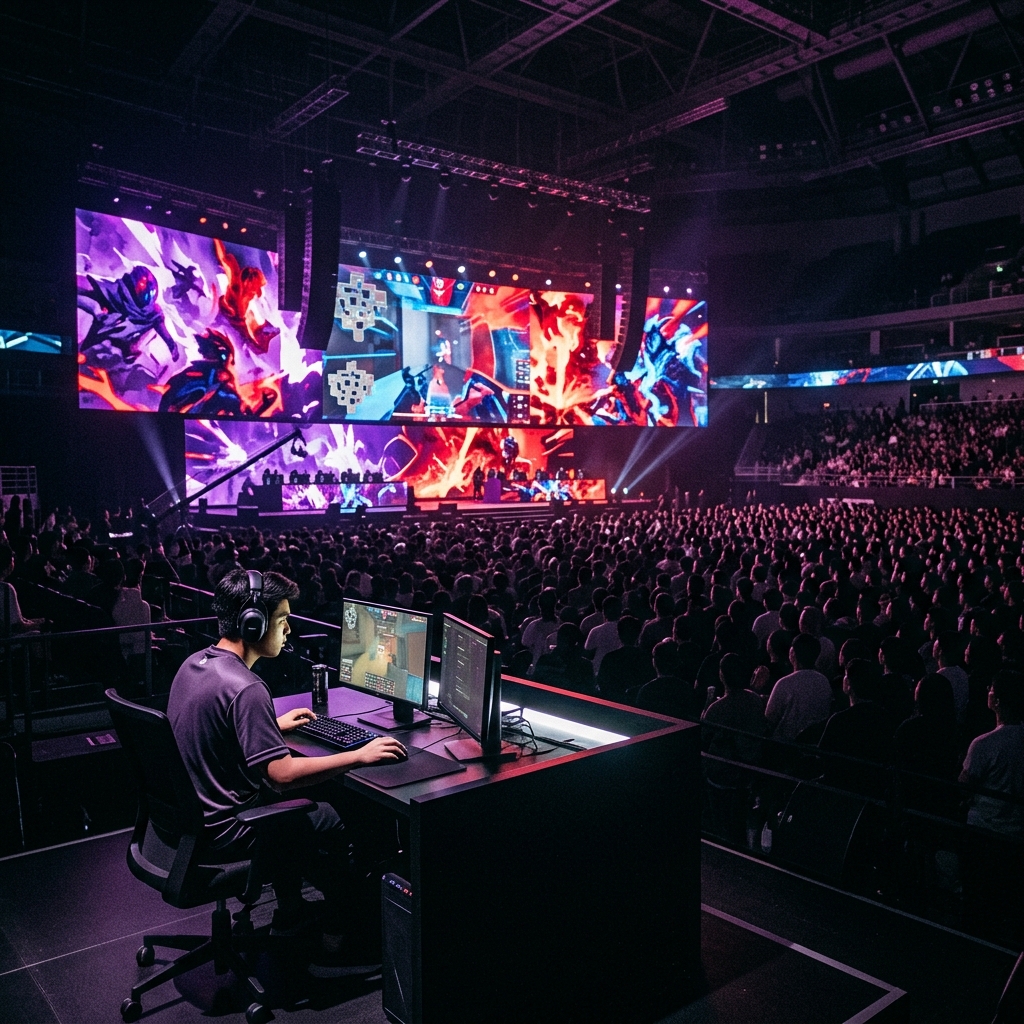
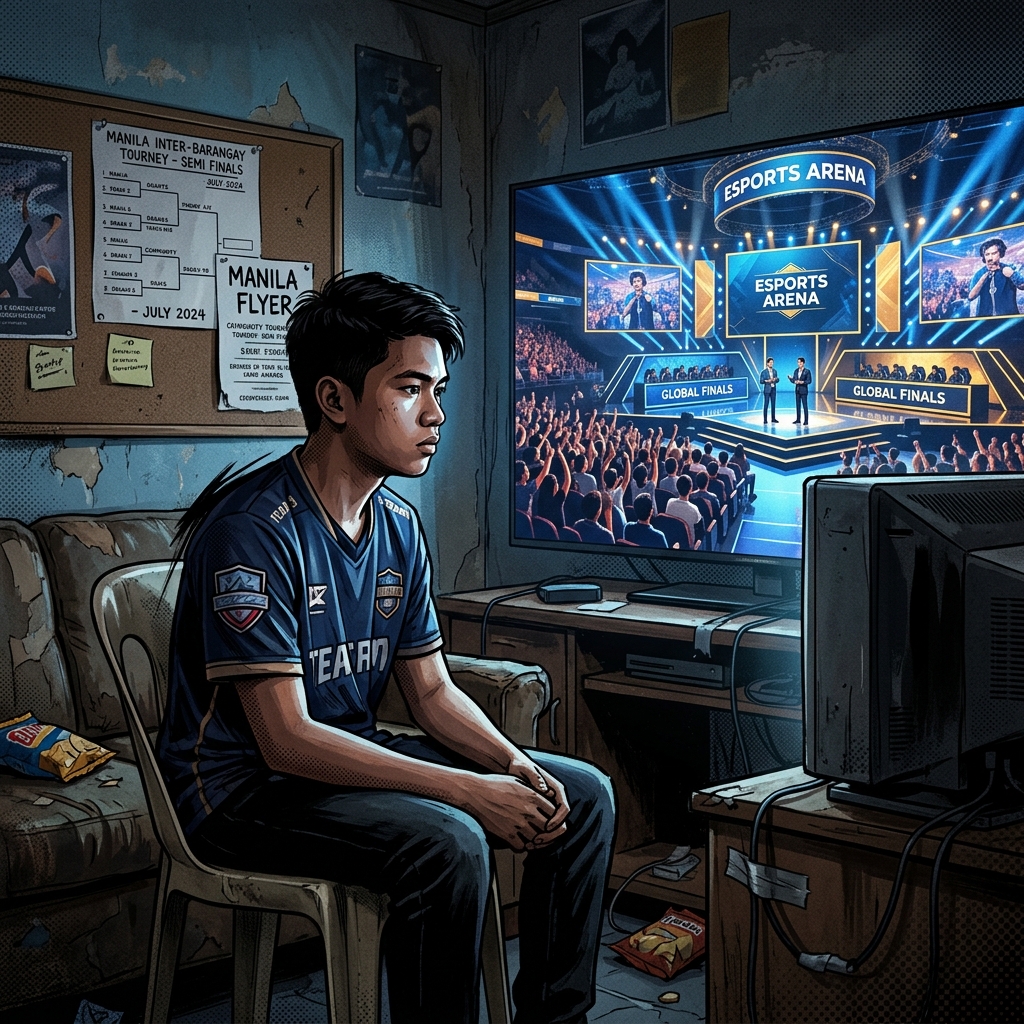
Both of these realities are true at the same time. The Pacific league is a genuinely world-class product. It is also a world-class product that the region it is named after cannot meaningfully participate in building. That dynamic serves viewership metrics in the short term. Over time, it corrodes the authentic competitive culture that makes a league worth watching, because authentic competitive culture requires players and fans to believe the system can include them. Right now, for most of Southeast Asia, the evidence suggests it cannot.
Sources

Priya Nambiar covers competitive gaming and emerging esports ecosystems for GoAndGame, with a particular focus on Southeast Asian scenes and grassroots tournament culture. She came up through community forums before moving into sports journalism, and that background shapes everything she writes.


