
For years, the metaverse existed as a distant promise, a digital horizon shimmering with unfulfilled potential. Now, as 2026 approaches, market analysts suggest this digital frontier is finally "hitting its stride," pointing to platforms like VWLD as evidence of maturation beyond mere vaporware. Yet beneath this narrative of progress, a quieter, more concerning reality takes shape. The infrastructure for these burgeoning virtual worlds is not being built as a shared public commons. Instead, it is increasingly controlled by a few powerful corporations, entities whose core incentive is user retention, not open access or true interoperability. For those who remember the wild, unpoliced frontiers of early internet forums or the communal glow of arcade halls, the sanitized, subscription-gated metaverse being sold today should feel both familiar and deeply suspect.

The Metaverse Hype Cycle, Revisited
The concept of a pervasive, interconnected digital realm has cycled through various iterations of hype and disillusionment. Early promises painted a picture of seamless virtual travel, where avatars moved freely between diverse experiences, carrying their digital identities and possessions with them. Recent investment surges and a renewed industry focus suggest a shift from pure speculation to tangible development. Companies are pouring resources into building these new spaces, aiming to carve out significant market share in what they predict will be the next major computing platform. However, the very companies driving this development often view these virtual spaces through a proprietary lens.
This corporate ownership model fundamentally contradicts the vision of an open metaverse. Platforms prioritize keeping users within their ecosystems, often through exclusive content or proprietary asset formats. This creates a fragmented experience, far removed from the universal access once envisioned. The architectural choices made today, behind closed doors and often presented as technical necessities, are actually economic decisions designed to secure market dominance. This approach risks creating a collection of digital fiefdoms rather than a truly shared digital continent.
Walled Gardens in Virtual Clothing
The term "walled garden" first became common when describing mobile app stores, where platform holders controlled distribution, monetization, and user experience. This same logic has now migrated almost seamlessly to virtual worlds. The goal remains identical: control the platform, control the economy, and control the exits. Meta's Horizon Worlds, alongside Microsoft's now-abandoned Mesh ambitions, exemplify this strategy. These platforms, and many blockchain-adjacent alternatives, consistently prioritize platform lock-in. They aim to keep users, their data, and their digital assets confined within their borders.
This approach runs counter to the vision of open-border virtual travel that early metaverse evangelists advocated. CoinGape analysts have argued that centralized metaverse architectures are not merely philosophically unappealing, but economically unsustainable. When users cannot port their assets, identities, or social graphs between worlds, trust erodes, and ecosystems fragment. Consider the arcade era as a historical counterpoint. Games like Star Dive and Dot Chomper thrived because the rules were legible, the hardware was shared, and no single operator could arbitrarily revoke a player's high score or erase their progress. The experience belonged to the player, not solely to the machine's owner.
The Open-World Insurgency
Despite the prevailing trend towards proprietary systems, an insurgency of open-world advocates continues to push for a different future. Improbable's M2 network represents one of the more concrete attempts to engineer an escape hatch from proprietary metaverse silos. This initiative proposes a connective tissue, a set of protocols designed to allow avatars and assets to travel between virtual worlds with the same ease that HTTP allows web browsers to traverse websites. The ambition here is genuine, seeking to break down the digital walls corporations are erecting.
However, a significant gap exists between architectural proposals and mass adoption. Building open protocols is technically tractable, a problem engineers can solve. Convincing entrenched platform holders to relinquish potential toll-booth revenue, however, is a political and economic problem that technology alone cannot overcome. Web3 proponents have long championed blockchain-anchored ownership as the necessary foundation for any genuinely open metaverse. They believe that true digital ownership, verifiable on a public ledger, empowers users and prevents central authorities from seizing or devaluing virtual assets. Yet, the inherent volatility and complexity of many blockchain systems have so far repelled the mainstream gaming audience. This audience is exactly what an open metaverse needs to reach for widespread adoption.
What the insurgent open-metaverse movement shares with classic arcade design is a foundational belief: the game should outlast any single operator. The experience, in a meaningful sense, belongs to the players who inhabit it. This contrasts sharply with a model where a company can shut down servers or alter terms of service, effectively erasing years of player investment and community building.
What Gamers Stand to Lose
The stakes in this debate are not abstract or academic. If dominant metaverse platforms succeed in normalizing the idea that virtual land, avatar skins, and social communities are merely licensed rather than truly owned, this precedent will profoundly reshape how all interactive entertainment is distributed and valued. Players will find their digital lives governed by contracts that prioritize corporate control over individual agency. This shift moves gaming further away from a commons and closer to a series of privately owned enclosures.
Arcade culture, for example, produced a vibrant commons. It fostered a shared vocabulary of joystick mechanics, scoring systems, and communal leaderboards, which transcended any individual cabinet or operator. Players understood the rules; they engaged in a shared experience. A corporate metaverse, by contrast, risks producing the opposite: a proprietary dialect spoken only inside one company's walls, with rules that can change at the whim of the platform owner. Younger players, who have never experienced a gaming landscape free from battle passes, season passes, and platform exclusives, may be the most vulnerable. They lack an experiential baseline against which to measure what is being traded away. They may not recognize the quiet erosion of digital rights because they have never known a different way.
The question the industry has largely avoided answering honestly is whether the metaverse is being built primarily for players or for shareholders. The architectural choices currently being made, often outside public view, will ultimately determine which answer history records. The future of digital play hinges on these decisions.
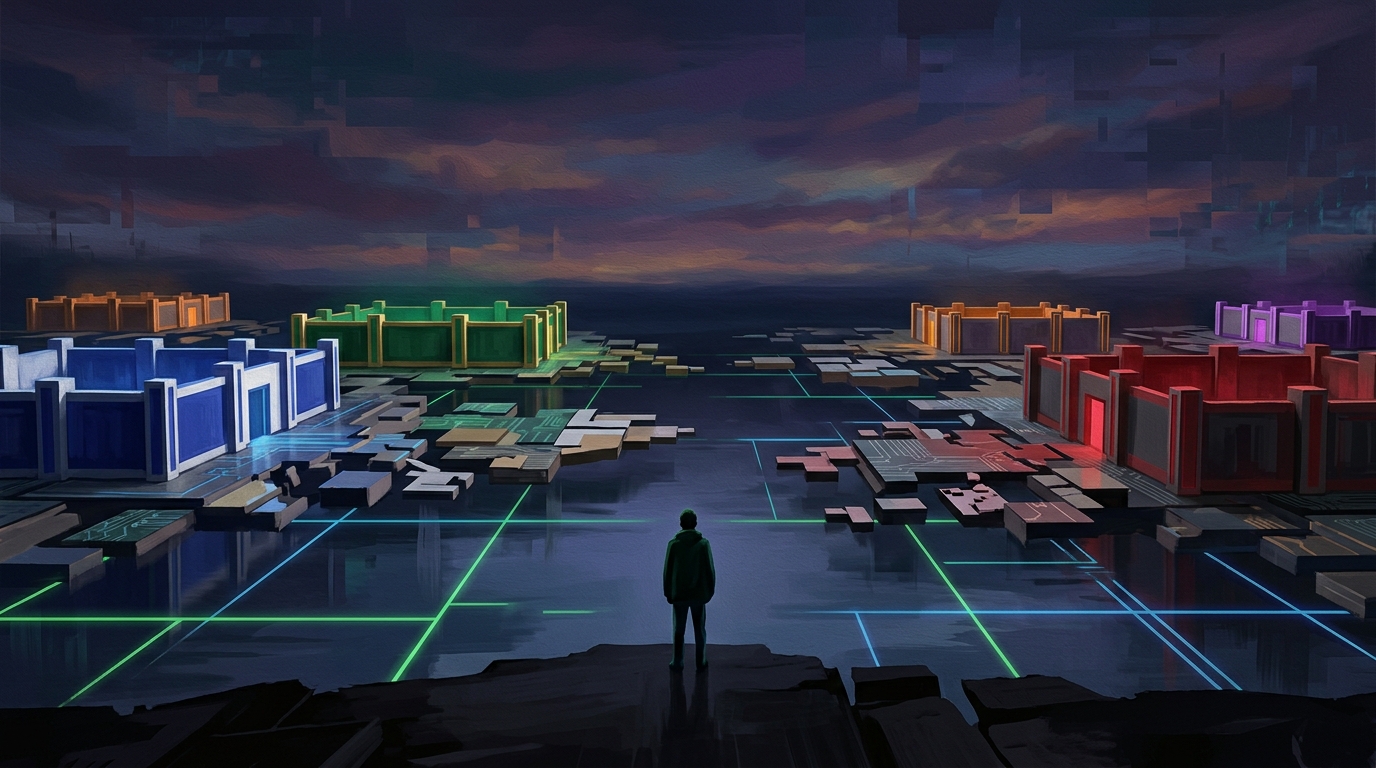
Without a conscious push for open standards and true interoperability, the metaverse will likely become a collection of glittering, isolated corporate amusement parks. The utopian vision of a shared digital future will remain a mirage, replaced by a series of walled gardens. This outcome would not be an evolution for gaming, but a regression, locking players into ecosystems designed more for profit extraction than for genuine freedom and creativity.
Sources

Julian Thorne is a seasoned house writer for GoAndGame, known for his deep dives into obscure game mechanics and industry trends. He often explores the sociological impact of gaming, blending critical analysis with historical context.


