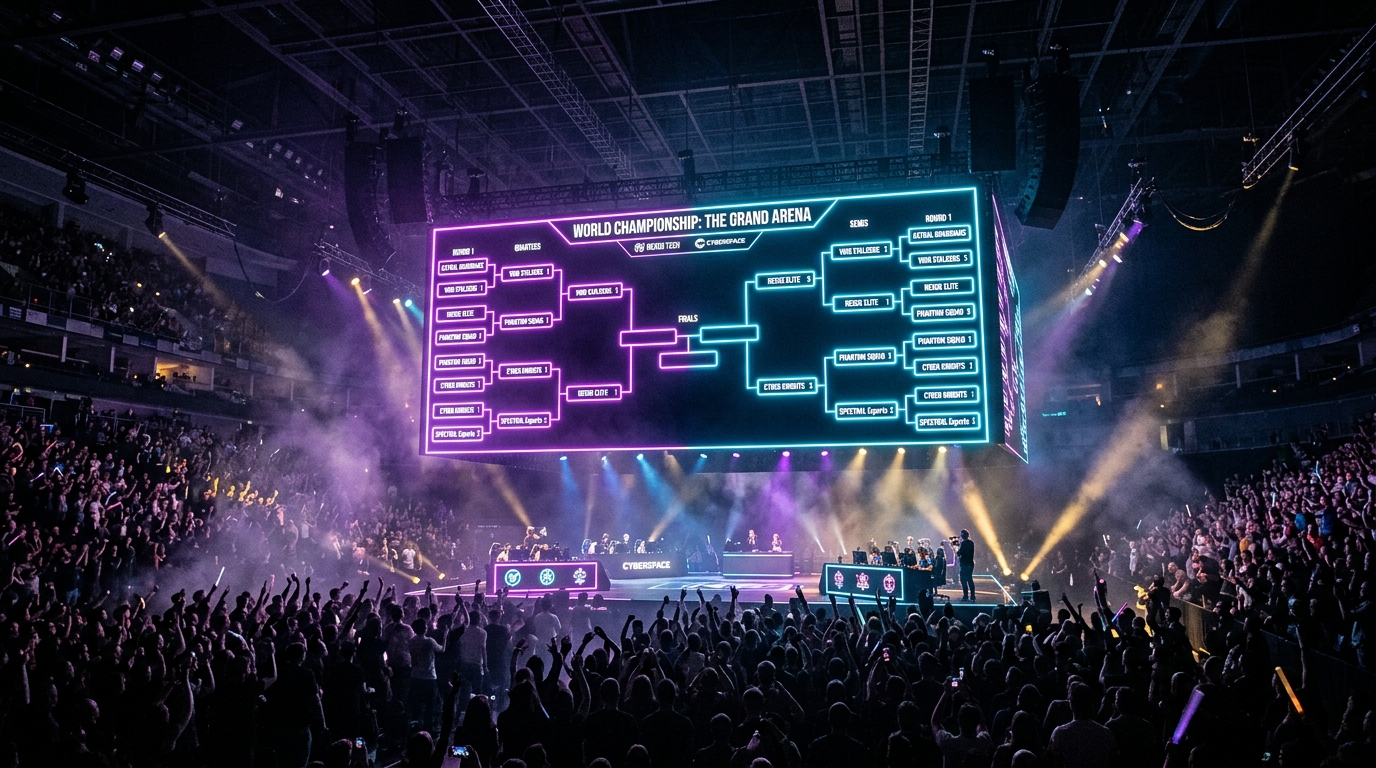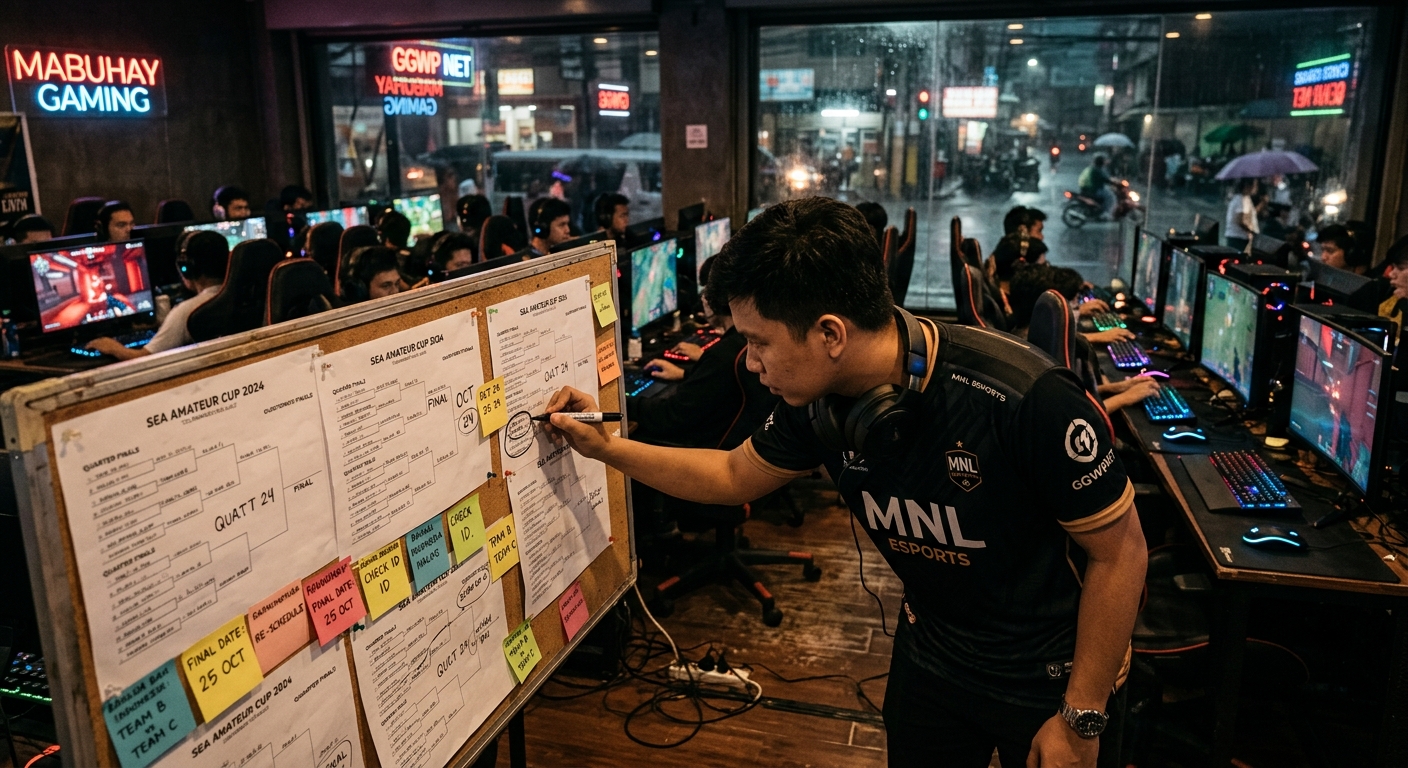
Every time Moonton announces a new host city for the Mobile Legends: Bang Bang World Championship, the ripple hits grassroots before it hits broadcast. Community league operators in Manila, Jakarta, and Kuala Lumpur are already rescheduling qualifier windows. Smaller orgs are recalculating travel budgets. The M-Series, which has rotated cities since its inaugural M1, is moving again, and the SEA scene is adjusting in real time.
The championship's history of geographic rotation is not arbitrary. Each edition has functioned as both a logistical exercise and a regional development signal, with past events staged in the Philippines and Singapore before the production scale grew to the level seen at M5. The choice of city tells the market something. It tells sponsors where Moonton wants attention. It tells teams where their fans will and will not be able to show up in person.
That last point is where the grassroots calculus gets specific. A team from Cebu traveling to a Philippine venue faces a two-hour domestic flight. That same team traveling to a new international host city faces visa processing, international airfare, and accommodation costs that can easily consume what a mid-tier org allocates for an entire qualifier season. The host city is not a backdrop. It is a financial variable.
The Cascading Effect on Community Circuits
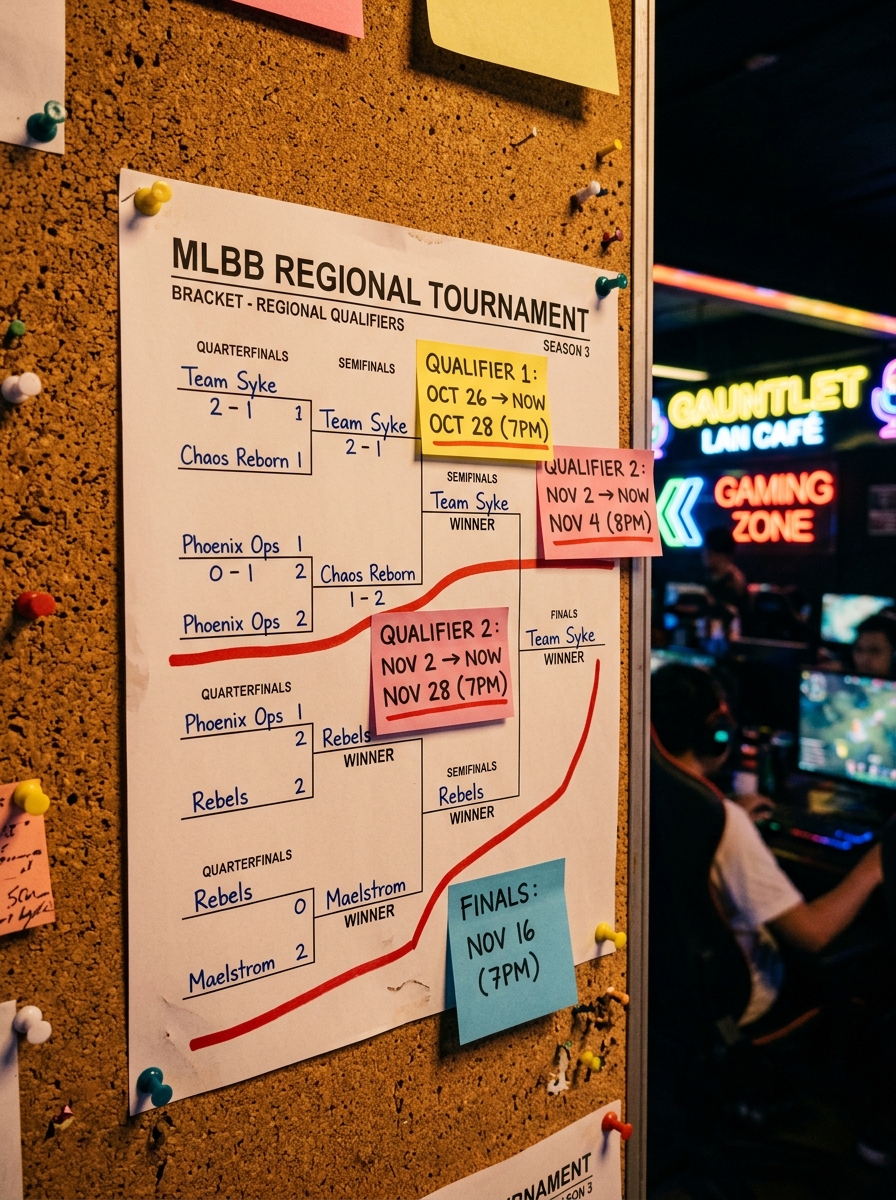
Local tournament organizers have long used the M-Series calendar as a structural anchor. Qualifier circuits are timed to funnel talent upward before the world event, which means a date or location shift at the top compresses or displaces the schedule below. One circuit manager in Indonesia, speaking through a regional Discord server, described the process as "reading backwards from Moonton's calendar and hoping the gaps still work."
What makes this edition's adjustment notable is the speed. Repositioning is already underway before official qualifier formats have been published. Community league operators are not waiting. They are moving qualifier deadlines earlier to preserve travel buffer, and smaller orgs are making roster decisions now, weighing whether tournament travel is worth funding or whether online qualifier performance is the smarter investment this cycle.
Content creators and analysts embedded in the SEA MLBB scene have added a new layer: city-specific sponsorship packages. If the host market is new to the M-Series, local brands in that market are suddenly interesting to approach, and creators who build coverage framed around that city have a product to sell. The analytical and content side of the ecosystem is repositioning as quickly as the competitive side.
What the Wild Card Format Actually Proves
Moonton's wild card mechanism deserves attention here because it does real structural work. The M5 Wild Card stage gave smaller regions a group-stage path to the main event, which is the primary evidence supporting the championship's claim to genuine world-championship status rather than a rebranded regional final. Rotating the host city extends that logic geographically. If the event only ever landed in Manila or Singapore, the "world" framing would wear thin. A new host city, especially one outside the game's traditional SEA stronghold, is part of the same argument.
Industry observers have noted a consistent pattern: player registration and ranked-mode engagement in the host country tend to spike in the months surrounding the event. Moonton is not just staging a tournament. It is using the host city as a market activation. That is why the location decision carries weight beyond broadcast logistics, and why the grassroots scene treats it as information worth acting on immediately.
Skepticism Worth Keeping
The optimism in the SEA scene is real, but it is not unqualified. A host city shift that improves Moonton's advertiser story can simultaneously raise costs for the orgs and players who were already traveling the shortest distance. A Philippine team that once drove to a venue now boards an international flight. A Malaysian org that had local sponsor interest tied to a Kuala Lumpur event loses that proximity advantage.
The M-Series has grown every edition, in viewership, in participating regions, and in production ambition. That growth is genuinely good for the competitive ecosystem over a long horizon. In the short term, the teams and community operators absorbing the transition costs are not the ones making the location decision. That tension is worth naming, and the grassroots scene, characteristically, is naming it while also doing the work of adapting.

Priya Nambiar covers competitive gaming and emerging esports ecosystems for GoAndGame, with a particular focus on Southeast Asian scenes and grassroots tournament culture. She came up through community forums before moving into sports journalism, and that background shapes everything she writes.