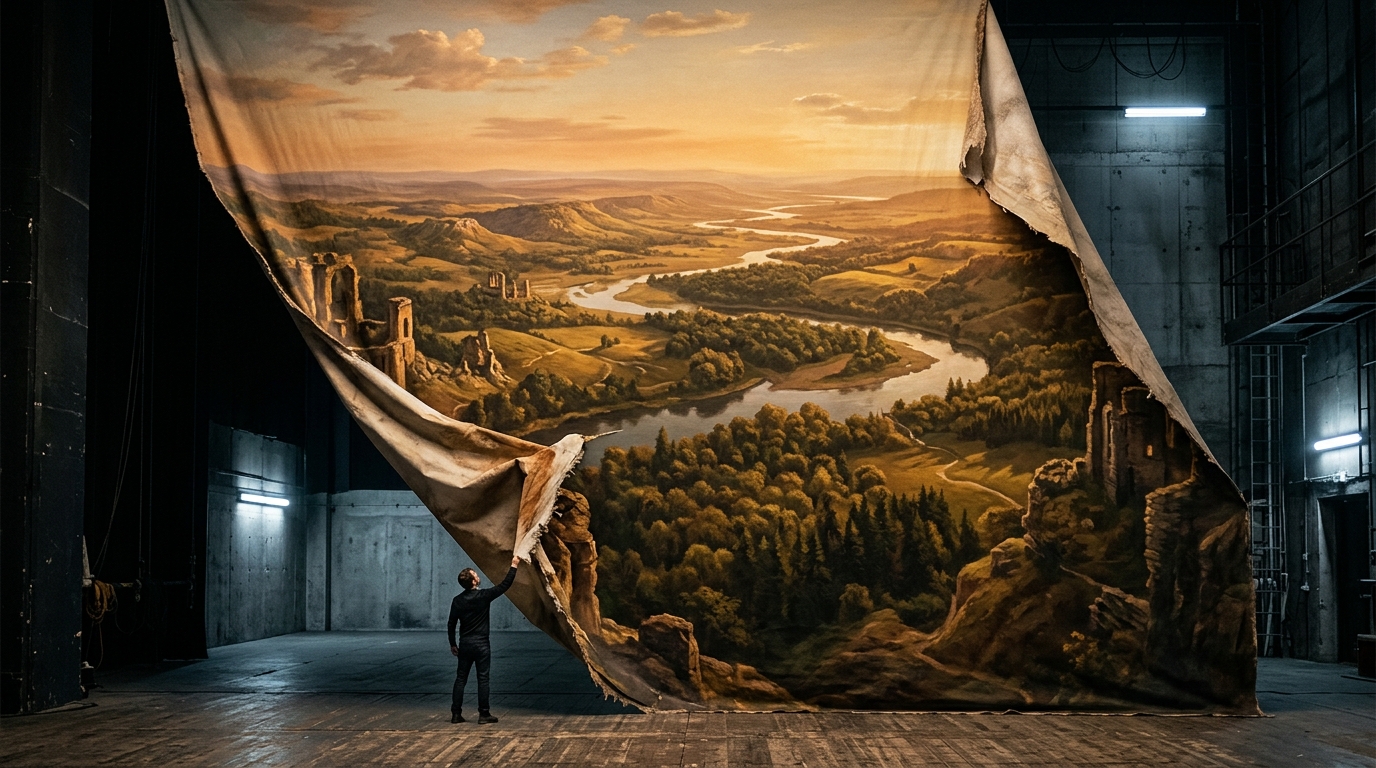
Open-world games once represented a radical shift, promising boundless exploration and player-driven narratives. This initial vision captivated players, offering worlds where curiosity dictated the path. Today, that promise often feels diluted, replaced by sheer square mileage as a primary selling point. The very concept of freedom in these digital spaces has become an illusion, with map size frequently mistaken for genuine player agency.
The Promise vs. The Product
The early appeal of open worlds lay in their invitation to wander. Players expected to stumble upon secrets, allowing the game's story to unfold organically around their explorations. This was a profound compact: the world would react to the player, not merely funnel them. However, this radical idea has calcified into a marketing statistic. Publishers now parade vast square-kilometer counts and mini-maps dense with icons, presenting acreage as a proxy for agency. This misdirection is significant. The outcome is a genre where players can traverse digital continents on horseback, yet still feel guided down a single, albeit very wide, corridor. The difference often amounts to little more than prettier virtual trees on either side.
Scale as Spectacle, Not System
When a game world expands geographically without a corresponding increase in systemic depth, the added space serves as mere scenery. It becomes a backdrop, not a dynamic stage for player interaction. Ruthless Reviews notes that many colossal open worlds feel paradoxically emptier than more compact, curated designs. Content is diluted across distances that demand significant travel time but offer little mechanical reward.
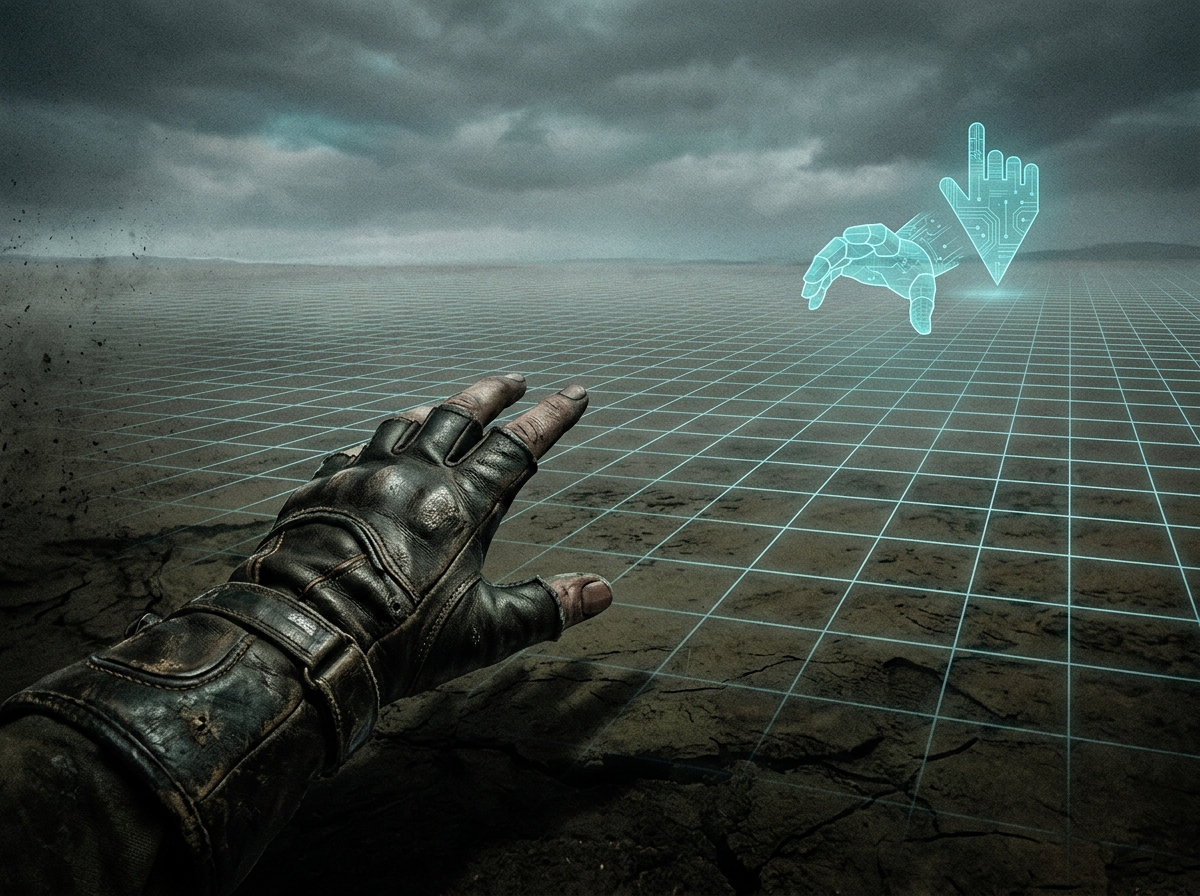
Arcade classics grasped a fundamental truth: a confined play space, imbued with deeply interconnected rules, generates more genuine decision-making per second than any sprawling map. These older games prioritized immediate, impactful choices over endless traversal. The crucial question for a designer should not be "how big can we make this?" It should be "how many meaningful branch points per hour does a player actually encounter?" These two questions rarely yield the same answer, highlighting a fundamental tension in modern open-world design.
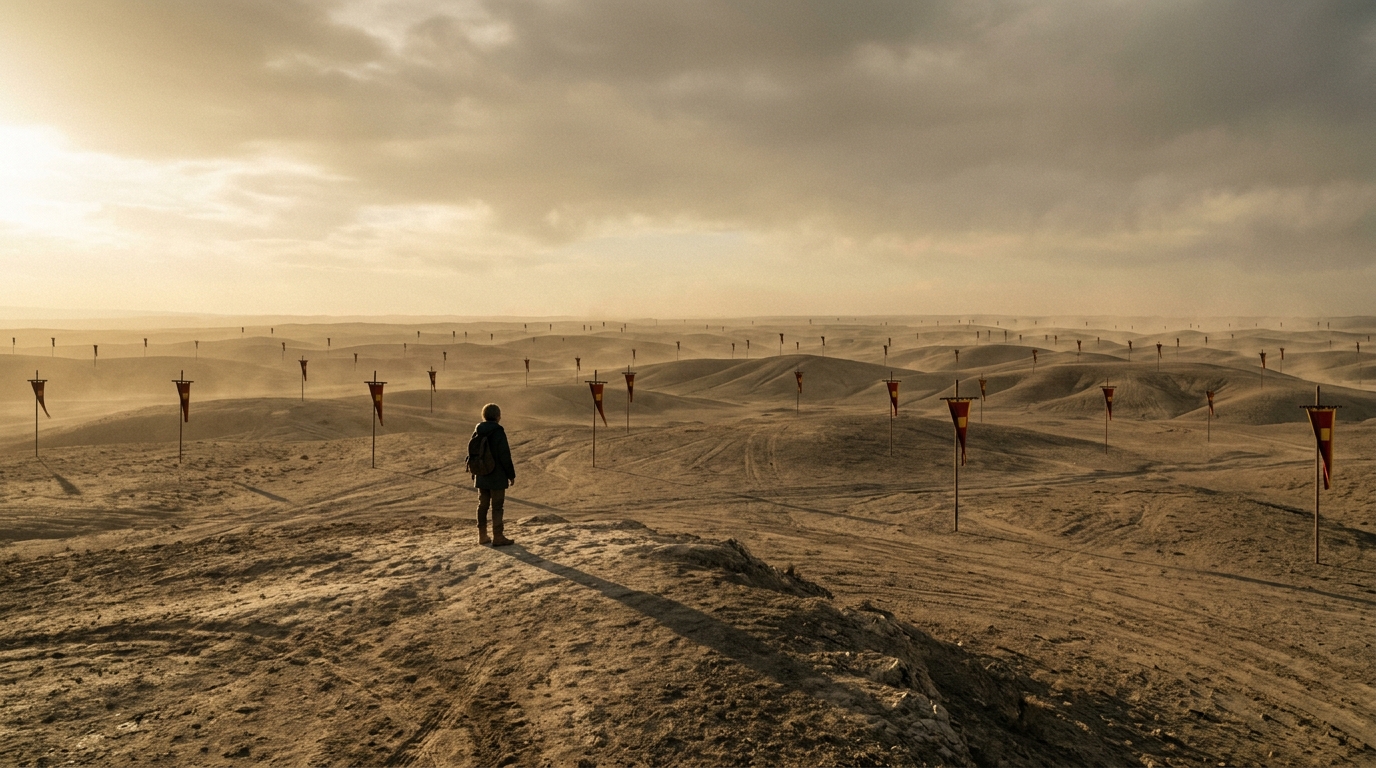
The allure of scale can distract from the core mechanical engagement, shifting focus from interaction to observation.
When Choice Is Cosmetic
True player agency demands that decisions carry tangible consequences. These choices should ripple forward, altering the game state in noticeable ways, not just determining which direction a player rides before encountering the same scripted objective. A survey by Game Rant highlights how rare genuine systemic reactivity remains in open-world titles. Most cited examples involve superficial faction reputation meters, not worlds that structurally adapt to player actions. The world does not reorganize itself; only a small numerical value shifts.
Cosmetic choice has become pervasive. Choosing a haircut, selecting a dialogue tone that ultimately changes nothing, or picking which of three identical outposts to clear first, are all examples. These non-consequential choices have normalized a sensation of busyness, which many players now conflate with meaningful freedom. This confusion is dangerous. It trains audiences to accept a simulation of agency, rather than demand the real thing, steadily eroding the standard for what an interactive medium should deliver. The potential for deep, responsive worlds remains largely untapped.
What Older Arcade Logic Still Gets Right
Games built around tight, immediate feedback loops prove that a play area measured in pixels can offer more genuine choice than one measured in kilometers. In titles like Dot Chomper or Segment Storm, every action feeds back into the system immediately. Player skill or strategic thinking demonstrably alters outcomes. This direct causality emphasizes the weight of each decision.
Classic arcade designs, with their fixed screens, compelled developers to make every square inch consequential. Meaningful decisions were encoded into enemy placement, resource scarcity, and movement options. Depth was not offloaded onto sheer geographic scale. This philosophy does not advocate for a return to quarter-munching cabinet aesthetics. Instead, it asks whether the player's available verbs - the things they can actually do - interact with the world in ways that reward thoughtful play, rather than just time investment. Consider the precision required in a game like Star Dive; every maneuver has consequence.
Open-world designers who internalize this lesson tend to create smaller, denser worlds. In these worlds, the map serves as a tool for exploration, rather than functioning as a headline feature. More importantly, the player's choices leave discernible marks, and the game's systems are equipped to remember and reflect these changes. This leads to an experience where agency is felt in every decision, not just implied by the horizon.
Sources

Julian Thorne is a seasoned house writer for GoAndGame, known for his deep dives into obscure game mechanics and industry trends. He often explores the sociological impact of gaming, blending critical analysis with historical context.


