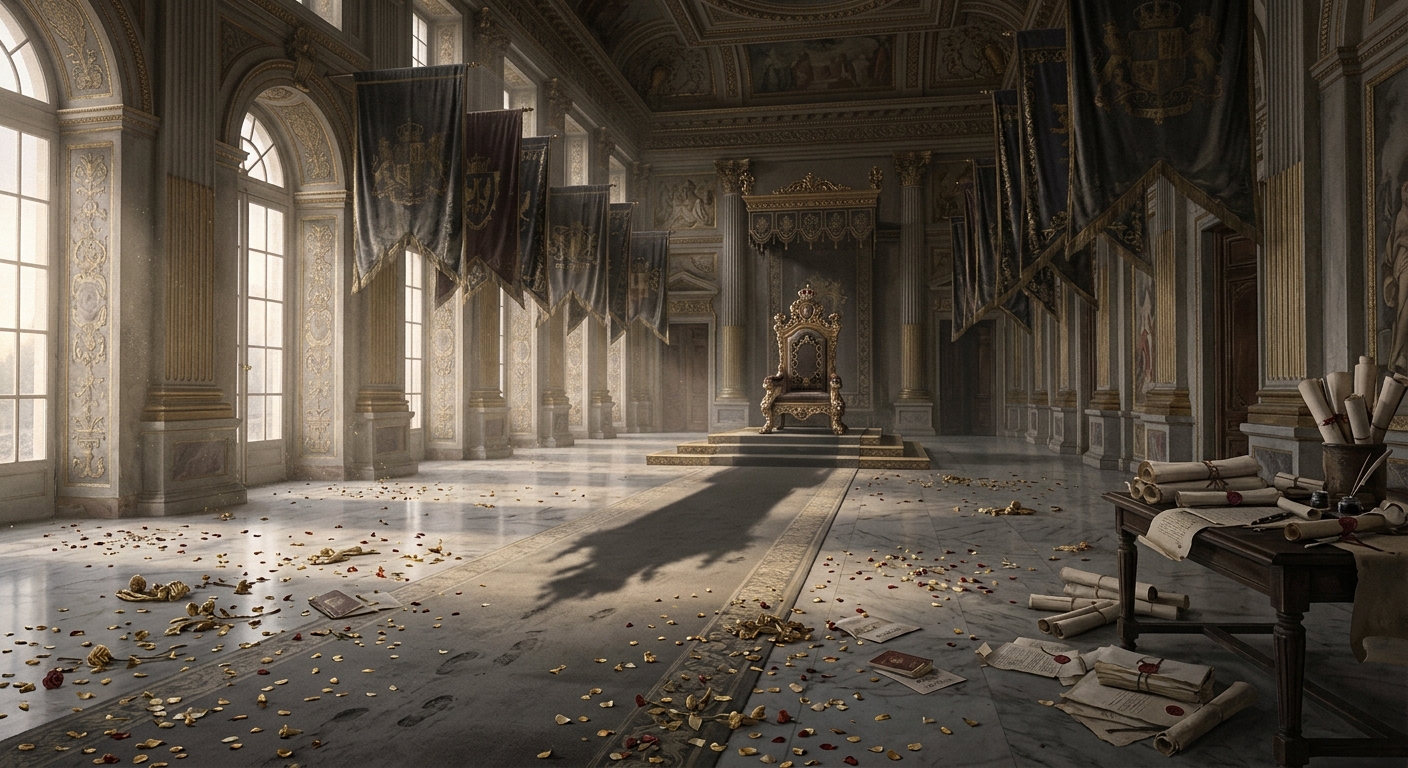
Six to ten hours is not a long time to settle a kingdom. Atlus knows this, and The Golden Throne, the paid post-game expansion for Metaphor: ReFantazio, is built around that uncomfortable truth. This is not a victory lap. It is the morning after the parade, when the bunting is still up but the horses have already gone home.
What the DLC Actually Is
The Golden Throne picks up after the royal election arc concludes and plants the player in the administrative machinery of a kingdom trying to figure out what it is now. The core cast returns in new ceremonial and bureaucratic roles that suit the story's preoccupations: inherited power, fragile legitimacy, and the distance between winning and governing. Atlus calls it a definitive coda to the base game's themes of systemic inequality, and that framing is mostly accurate, even if it oversells the tidiness of the package.
The expansion runs roughly six hours at a confident pace and closer to ten if you engage with the optional side content, which is worth doing. That runtime places it firmly in the category of a moderately substantial addition, not a cosmetic afterthought and not a second act trying to be a sequel. It earns its shelf space without pretending to be more than it is.
Story and Characters: Louis Guiabern's Long Shadow
Louis Guiabern is dead. He is also everywhere. The DLC's most interesting narrative trick is the way his absence operates as a structural presence, with multiple characters processing the ideological wreckage he left behind. His particular brand of authoritarian aesthetics, the way he made cruelty look like order, turns out to be harder to dismantle than the man himself. Two new supporting figures tied to the old regime's bureaucratic class carry a lot of this dialogue, and they do it well, explaining how systems outlast their architects in ways that feel specific rather than generic.
Eiselin Burchelli Meijal Hulkenberg gets the expansion's best material. Her knightly identity, which the base game treated as a source of straightforward strength, is now a complication. The new court does not need knights in the traditional sense, and the scenes where Hulkenberg has to reckon with that are the most textured writing she has received in the entire game. The expansion occasionally over-explains its own metaphors, which is a recurring Atlus tendency and not a new problem, but the strongest scenes resist the urge to close every moral question with a speech. Some things are left sitting, unresolved, and that restraint is the right call.
Gameplay Systems and Combat Additions
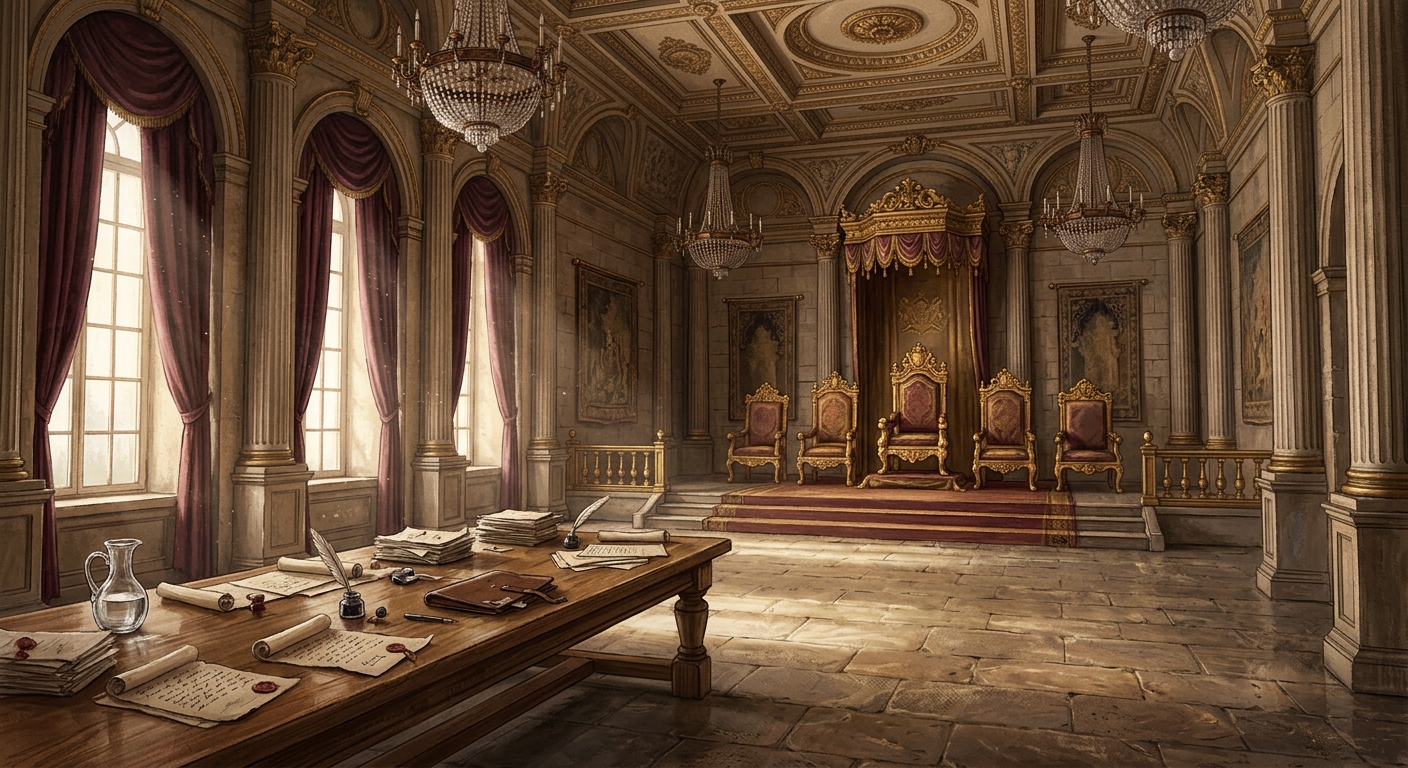
The throne room management minigame is the expansion's structural backbone. Players balance courtly favor, resource allocation, and festival planning across a compressed calendar that consciously echoes the base game's time-management loop. It is not a reinvention of that system, but it fits the setting well and provides genuine decision tension rather than busywork.
A small set of new Archetype branches fills out mid-tier build options that were unavailable in the base game's late-game meta. None of them are dramatically overpowered. Several of them are genuinely interesting, particularly for players who built around status effects and found the base game's final stretch underutilized that investment. Combat encounters in The Golden Throne trend toward elite compositions rather than high-volume mob fights, which means the DLC actively punishes players who brute-forced the main campaign on raw damage output. That is a design choice worth knowing before you load in.
Boss design is the mechanical highlight. Two of the three major encounters use multi-phase structures that reference specific story moments from the base game in ways that feel earned. Nostalgia is easy. These fights do something harder: they make the callback feel like information rather than decoration.
Presentation and Technical Performance
The new environments pull hard toward gilded interiors, ceremonial staging, and architectural grandeur. This is a deliberate visual argument about legitimacy and display, and it works. The base game's dungeon palette is gone, replaced by spaces that communicate what power wants to look like when it is performing itself. The one throne room theme added to the original score achieves a melancholic grandeur consistent with the base game's most discussed musical moments, and it is sparse enough that it lands each time it appears.
Voice acting maintains the high standard set by the original release. Several actors deliver their best work for these characters in scenes that finally give those characters room to breathe at a slower tempo. On the technical side, loading times and frame pacing on current-generation hardware are acceptable. Players who encountered stuttering in specific base-game areas should expect comparable behavior in similar DLC spaces. No new problems, but no corrections either.
Value Assessment and Final Verdict
The honest version of a value assessment starts with a question about why you finished the base game. If the ending hit you and you want more time with these characters in this world, The Golden Throne earns its asking price. If the base game's pacing wore you down, or if its political allegory felt too heavy-handed, the DLC will not fix that. It doubles down on exactly those qualities. This is a sequel in tone, not a course correction.
What the expansion gets right, and gets right in a way that is rarer than it should be, is its refusal to provide easy catharsis. It ends on cautious, procedural hope. Not triumph. Not resolution. The kingdom is still figuring itself out, the institutions are still unreliable, and the people running them are still learning. That is more intellectually honest about how institutional change actually works than most games are willing to be, and it is the kind of honesty that makes the ending stick rather than dissolve on contact.
The Golden Throne enriches the base game without redefining it. That is a precise compliment. The best DLC tends to know exactly that much about itself, and this one does.

Priya Nambiar covers competitive gaming and emerging esports ecosystems for GoAndGame, with a particular focus on Southeast Asian scenes and grassroots tournament culture. She came up through community forums before moving into sports journalism, and that background shapes everything she writes.


