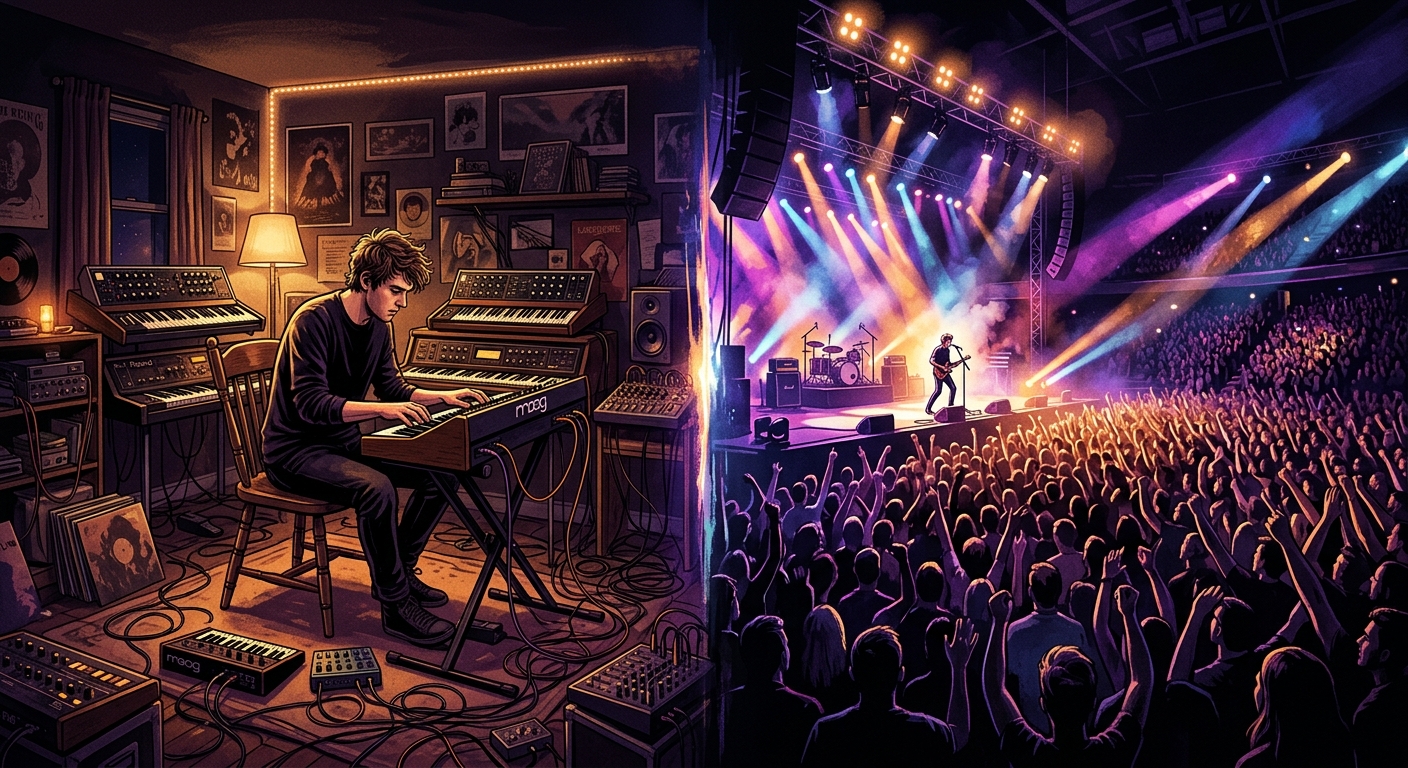
From scrappy bedroom releases to playlist dominance, the indie world in 2026 is louder, weirder, and more self-sufficient than ever. Artists are finding footing in a marketplace that increasingly favors the bold and the unpredictable, and the tools they use to get there look nothing like what worked five years ago.
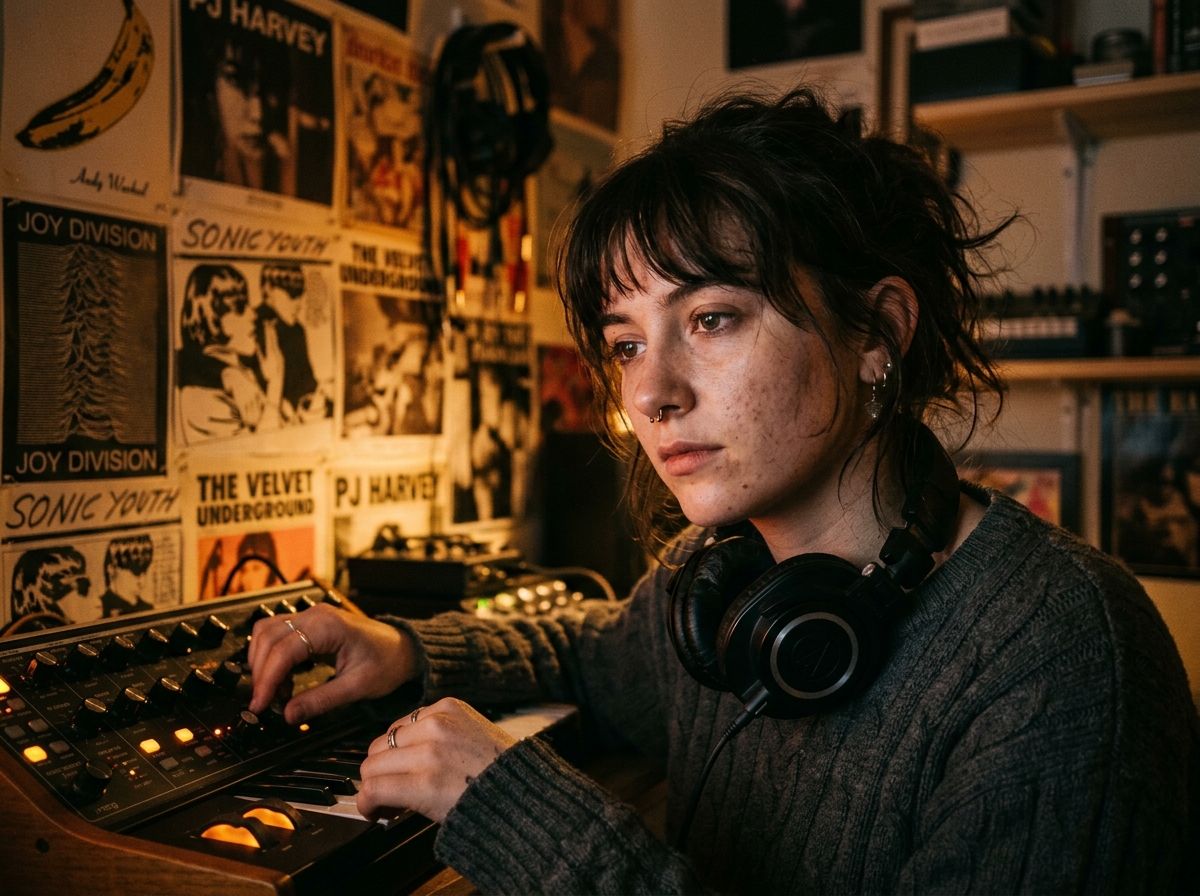
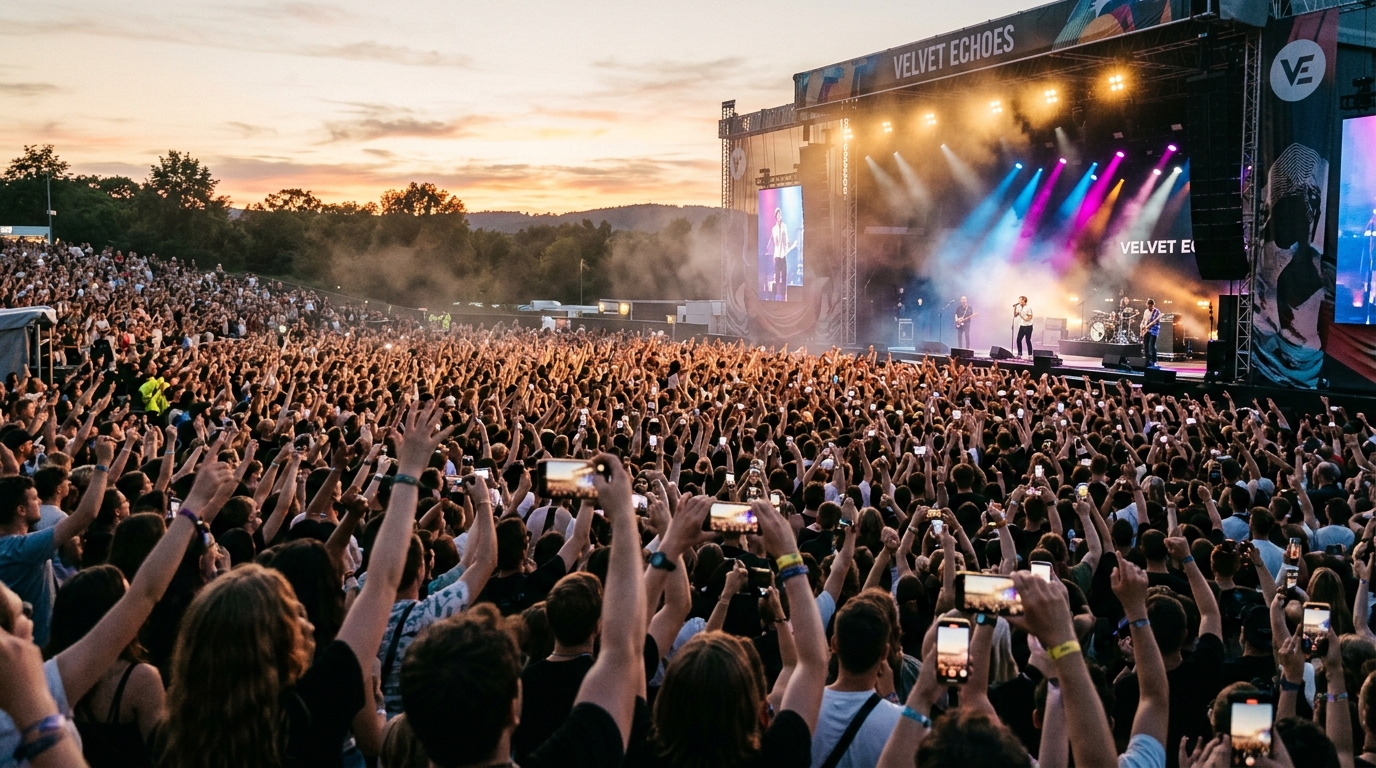
The Playlist Economy Takes Over
Curators like Indiemono have turned Apple Music playlists into genuine tastemaking institutions. Every New Music Friday, they refresh their picks and funnel thousands of listeners toward acts that major labels often overlook. That weekly rhythm has created an editorial heartbeat for the genre, one that independent artists are now building release plans around. The Indiemono catalog for August 2026 features names like Cavetown, Garrett Kato, and Gabrielle Aplin sitting alongside less familiar acts, all competing for the same prime real estate at the top of the stack.
The mechanics are straightforward. A fresh track uploaded Thursday night has a better chance of landing near the top of a Friday refresh than one uploaded Monday. Artists and their managers have absorbed this logic, treating playlist submission deadlines the way an earlier generation treated radio plugger calls. What was once passive discovery has become an active, calendar-driven promotional move. The playlist is not a bonus any more. For many independent acts, it is the primary release strategy.
Indie Index 2026: Mapping a Sprawling Ecosystem
The Indie Scene's annual Indie Index, compiled by writer Olivia Ross, attempts to map the ecosystem of independent music by spotlighting fifteen acts worth watching before everyone else catches on. The 2026 edition ranges from Westside Cowboy, who opened the Woodsies stage at Glastonbury after supporting Black Country, New Road, to Brooki, an Irish band that built a following on the back of a single unreleased TikTok clip. Cardinals, releasing their debut album on So Young Records in February, sit alongside Bleech 9:3, whose two 2025 singles drew on 90s grunge without sounding like a tribute act.
What ties the list together is distribution independence as the qualifying criterion, not budget or label size. A band on a small imprint with real press infrastructure sits beside a self-released act gigging relentlessly before any recorded output exists. Critics of this approach argue it flattens meaningful distinctions between artists with resources and those without. Supporters say that blurring is precisely the point: in 2026, the pipeline from bedroom to festival stage is short enough that the old categories stop being useful.
The Sound Itself: Alternative Gets Harder to Pin Down
A close listen to the Indiemono August 2026 rotation reveals a genre in active argument with its own conventions. Post-punk influences collide with hyperpop production values. Folk melodies surface over rhythms borrowed from club music. Extended outros, abrupt key changes, and intentionally buried vocals have become recurring moves rather than outliers. The August list treats song structure as a loose suggestion rather than a load-bearing wall.
Keo, the London four-piece whose breakout single and debut EP landed them a Liverpool Sound City headline slot, are a useful case study. Their sound is guitar-driven but not in any way that anchors them to a single decade. Madra Salach, the Irish band whose Next Door Session racked up thousands of views before their debut EP arrived in January, built momentum through relentless live shows first and recording second. Both approaches produce music that resists easy radio formatting, which may be exactly why playlist curators find it useful: a track that surprises a listener is a track that gets shared.
The DIY Ethos and Where It Travels
The self-sufficiency driving indie music in 2026 is not confined to music. The same philosophy, small team, clear idea, community over marketing budget, runs through the independent gaming world. Titles in the catalog like Dirt Pump, Dot Chomper, Go and Zap, and Segment Storm each commit to one compelling mechanical idea and execute it without padding. That is the same discipline a good indie single requires: no unnecessary length, no filler, no genre tourism for its own sake.
The overlap between the two scenes is more than aesthetic. Independent musicians now license tracks to small game studios, finding sync placements that would have required a publisher intermediary a decade ago. Game developers use curated playlists to source trailer music, reaching composers who might have five hundred monthly listeners but exactly the right sound for a particular mood. These are small transactions individually. Collectively they add up to an informal economy that keeps both scenes moving without requiring either side to sign anything that surrenders creative control. In 2026, that freedom is the product.
Sources

Eliot Reed writes about the intricacies of virtual worlds, blending analysis with storytelling. As a house writer for GoAndGame, he delves deep into game mechanics and narratives, offering thought-provoking insights for players and developers alike.


