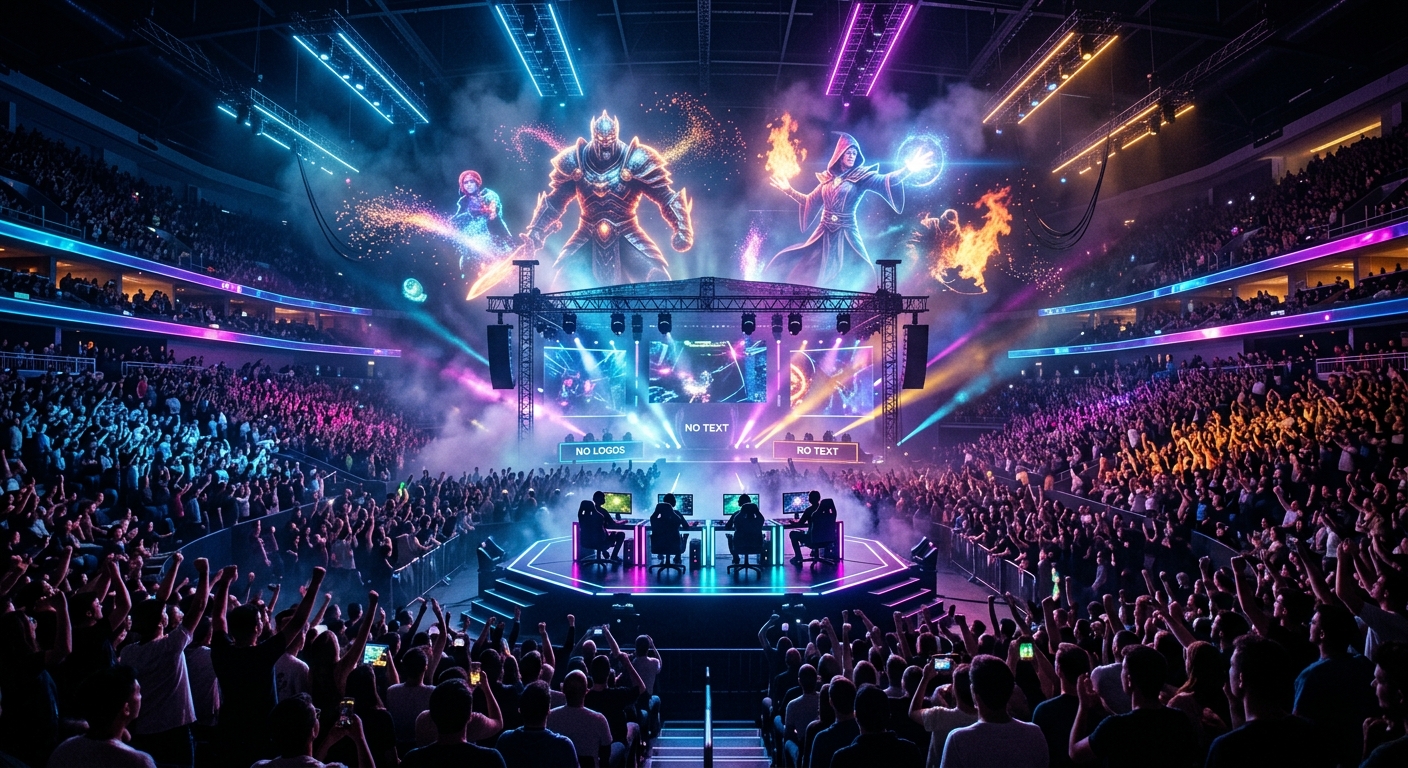
The esports industry has transformed drastically over the past few years, merging competitive gaming with mainstream entertainment. A market currently valued at roughly $17.42 billion is projected to reach $55.41 billion by 2035, according to a market analysis cited by Yahoo Finance. That kind of trajectory demands more than hype to explain it. The drivers are structural: mobile gaming, brand diversification, and a growing network of physical arenas and university programs that did not exist a decade ago.
The Numbers Behind the Boom
The $17.42 billion current valuation comes from the Esports Industry Analysis Report 2026, which also projects a compound annual growth rate strong enough to more than triple the market by 2035. Mobile gaming is doing a lot of the lifting. Cheaper smartphones and faster data networks have pulled audiences in Southeast Asia and Latin America into competitive gaming at a scale that PC-only esports could never reach. A teenager in Manila or São Paulo can now watch, play, and follow the same titles as someone in Seoul or Los Angeles, which is exactly the kind of addressable audience advertisers want.
Brand investment has shifted in kind. Energy drink companies still show up on team jerseys, but consumer goods companies, financial services firms, and automakers have all moved into sponsorship deals in recent years. That diversification matters because it insulates the industry against the withdrawal of any single category of advertiser, a vulnerability that hurt esports revenue during earlier downturns.
On the revenue mix question: the Yahoo Finance market report points to media rights deals as an increasingly significant line item through 2031, though the report stops short of naming a specific year when rights fees will overtake sponsorship dollars. Treat any precise timeline on that claim with appropriate skepticism until a named analyst or follow-up report confirms it.
Esports and the Asian Games: a Complicated Picture
Esports appeared as a demonstration event at the 2018 Asian Games in Jakarta and was formally added to the 2026 Asian Games calendar in Nagoya, Japan, on 8 July 2023, with the Japan Esports Union and the Asian Electronic Sports Federation as co-organizers. The event is scheduled for 23 September to 2 October 2026 at the Aichi International Exhibition Center, covering 13 game titles across 11 events, including League of Legends, PUBG Mobile, Mobile Legends: Bang Bang, and Honor of Kings.
The path there was not smooth. In November 2024, the Olympic Council of Asia was planning to remove esports from the Asian Games entirely, with proposals to create a separate competition for non-traditional sports including chess and card games. That plan did not advance: the OCA's executive board approved the esports lineup on 6 February 2025, with a finalized slate confirmed on 22 February 2025. Readers should know the removal proposal existed, because it signals that esports' institutional standing is still being negotiated, not settled. Twenty-three nations are expected to compete.
Qualification follows structured ranking thresholds and conduct standards, which mirrors how traditional sports governing bodies manage eligibility. That structural borrowing is deliberate. It gives national Olympic committees a familiar framework to work with, which smooths the administrative path toward further inclusion, even if the political path remains bumpy.
Infrastructure, Investment, and the Talent Pipeline
University esports programs have grown significantly across North America and Europe over the past several years. Many schools now offer scholarships, practice facilities, and coaching staff modeled on what college athletics departments provide for traditional sports. The result is a more defined pipeline from casual play to professional contract, and a higher floor of competitive skill at the entry level of the professional scene.
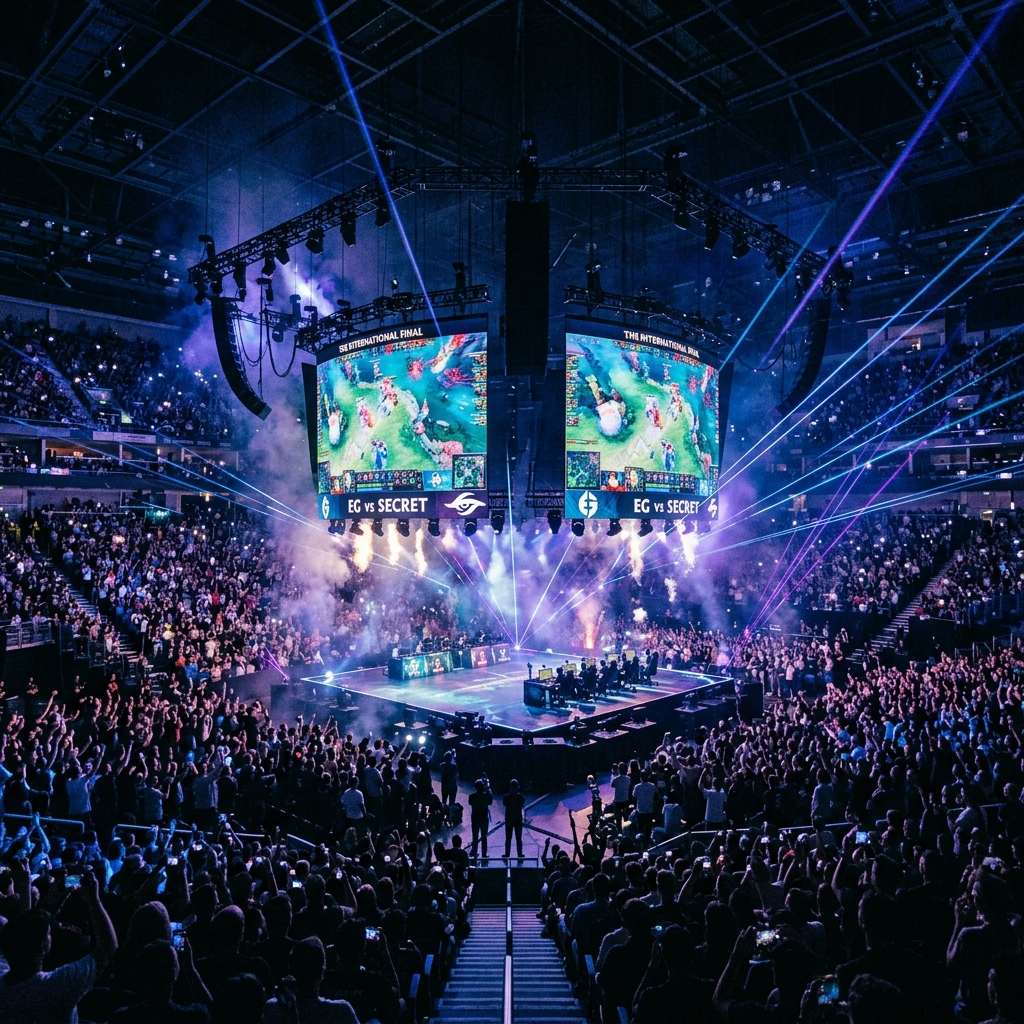
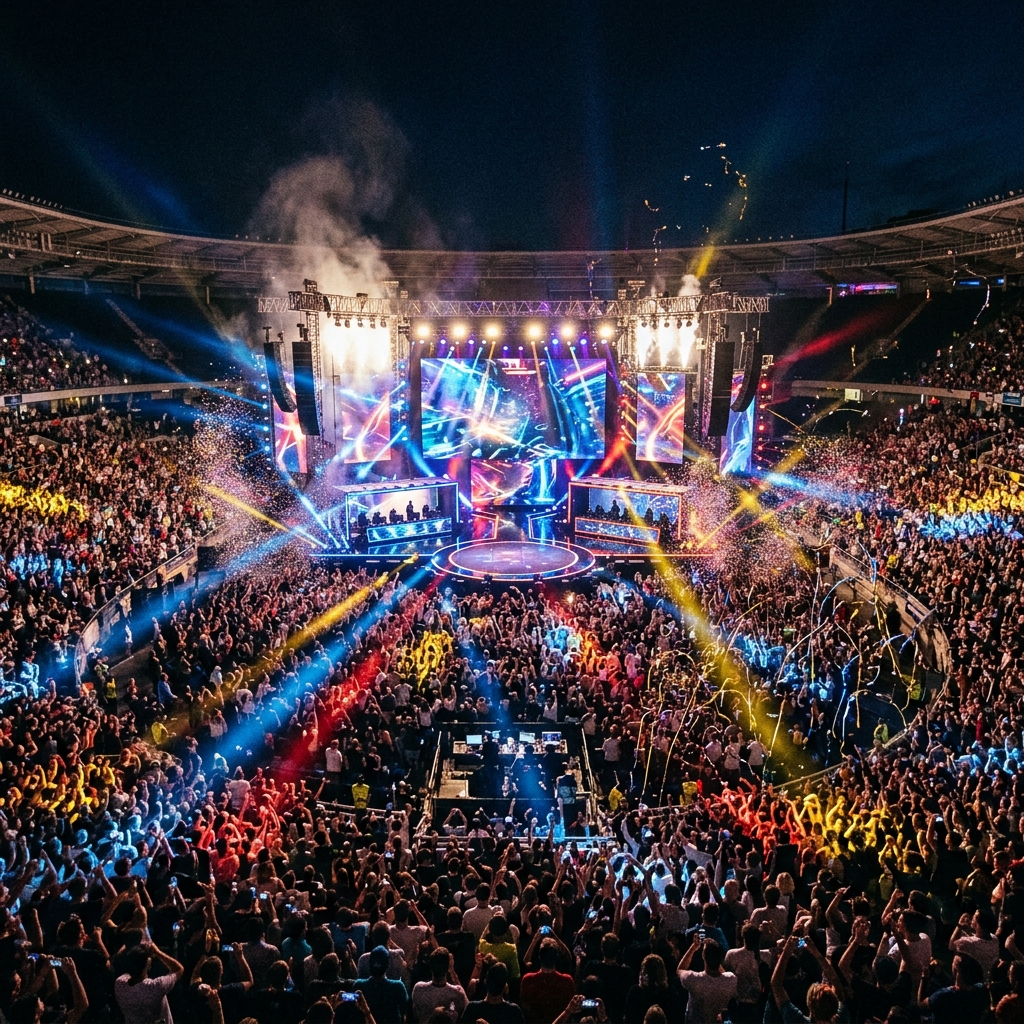
Dedicated esports arenas are opening in cities that would not have considered the investment five years ago. Live events have become real revenue sources, not just marketing exercises. Ticket sales, in-arena sponsorship, and food and beverage revenue now factor into how organizations model event profitability. Player welfare has followed the money, slowly. Some organizations now provide health insurance, access to sports psychologists, and structured rest periods. Burnout remains a documented problem in professional gaming, and the organizations that address it tend to retain players longer and field more consistent rosters.
What the Next Decade Looks Like
Mobile-first titles are producing regional stars who never compete in Western arenas and may not need to. A top-ranked PUBG Mobile player in Indonesia or a Mobile Legends competitor in the Philippines can build a local following large enough to attract domestic advertising at rates that rival globally known figures in niche categories. That dynamic could redistribute where esports money flows, pulling investment toward regional leagues and away from the handful of Western-centric franchises that dominated the industry's earlier commercial phase.
The 2026 Asian Games will be a practical test of how esports performs inside a traditional multi-sport event structure, both in viewership and in the political goodwill it generates among national delegations. A strong showing could support the case for inclusion in future Games. A troubled one, whether logistical, regulatory, or competitive, could revive removal proposals like the one the OCA floated in late 2024. The industry's next decade will be shaped as much by those institutional judgments as by any market forecast.
Key Trends to Watch
Esports is not a settled institution. It is an industry still earning its place at tables it was not invited to a decade ago, and the terms of admission keep changing.
Sources

Eliot Reed writes about the intricacies of virtual worlds, blending analysis with storytelling. As a house writer for GoAndGame, he delves deep into game mechanics and narratives, offering thought-provoking insights for players and developers alike.


