Shipping a game to a new platform sounds simple until the rendering pipeline revolts, the control scheme fights back, and certification deadlines loom over every commit. Porting a game involves more than just throwing code onto a different system; it’s a meticulous process filled with both opportunities and challenges.
Why Studios Port in the First Place
Porting extends a title's commercial lifespan by opening it to audiences who never owned the original platform, ultimately transforming a finished product into a recurring revenue stream without the costs associated with developing something entirely new. With the rise of indie games, smaller studios are increasingly treating console conversions as a strategic priority rather than an afterthought. For instance, DO Games, a company specializing in game development for consoles, has managed conversions for over thirty titles in just eight years, showcasing a growing demand for indie games on multiple platforms.
The financial aspect often favors porting; the core design, narrative, and asset pipeline are already proven commodities. Consequently, the incremental investment required to adapt to a new platform is generally much smaller than the original development budget, allowing studios to tap into new audiences with lower risk.
The Technical Gauntlet: Hardware and API Differences
Every target platform imposes its own graphics API, memory architecture, and CPU threading model. A game programmed to run smoothly on a PC utilizing DirectX 12 may require extensive rewriting to work effectively with a console’s proprietary GPU. Performance budgets can be especially brutal on handheld devices. For example, a game being ported to the Nintendo Switch frequently needs to compromise on resolution, shadow quality, and draw-call counts while striving to maintain the essence that initially made the game appealing.
Furthermore, input remapping adds an additional layer of complexity. A twin-stick shooter that thrives on a mouse’s accuracy must translate well to the less precise analog sticks. Hardly any gamer enjoys a port that feels unresponsive or sluggish. The rendering and shader recompilation are notorious bottlenecks; stutter caused by shader compilation at runtime has become an all-too-common grievance in PC ports, highlighting the necessity of pre-compilation in the porting process.
Certification, Compliance, and the Invisible Finish Line
Each platform holder, be it Sony, Microsoft, or Nintendo, has its own technical requirement checklists, often referred to as TRCs or LotCheck. A single failing test can send a nearly-finished port back into the depths of revision, significantly delaying the release. Common stumbling blocks include save-data handling, suspend-resume behaviors, and accessibility settings, typically addressed late in the PC development cycle. This can lead to an explosion of costs as studios scramble to meet compliance standards.
Moreover, localization requirements add another compliance layer. Certain markets may have specific demands regarding text sizes, subtitles, or age-rating assets, which may necessitate additional approvals. Studios that see certification merely as a final checkpoint rather than an ongoing process often accumulate technical debt that rears its head during submission, complicating and extending the timeline significantly. Continuous platform compliance checks can predict an on-time ship date better than any rushed finalization can.
Balancing Fidelity Against Platform Identity
A successful port goes beyond merely functioning on a new platform; it should feel like a natural fit. Producers need to establish early on which compromises can be made without damaging the overall experience. Consider the retro-arcade revival space; titles influenced by classic vector shooters demand low-lag input on dedicated consoles, yet achieving this on mobile requires meticulous frame-pacing care due to unpredictable OS interruptions.
Additionally, asset pipeline mismatches present fidelity risks that may not be immediately apparent. Textures, audio files, and streaming data optimized for high-bandwidth SSDs on PC can falter when converted for optical media or cartridge systems. Poorly managed conversions may lead to introverting issues such as audio dropouts or popping textures that were absent in the original build.
The studios with the strongest porting histories often share a philosophy: they define the minimum acceptable experience for each platform before writing any port code. Maintaining a steadfast standard throughout the project, rather than succumbing to scheduling pressures, is critical to a successful port.
In conclusion, while porting presents many hurdles, successful releases can keep the spirit of innovative games alive across new platforms and audience demographics.
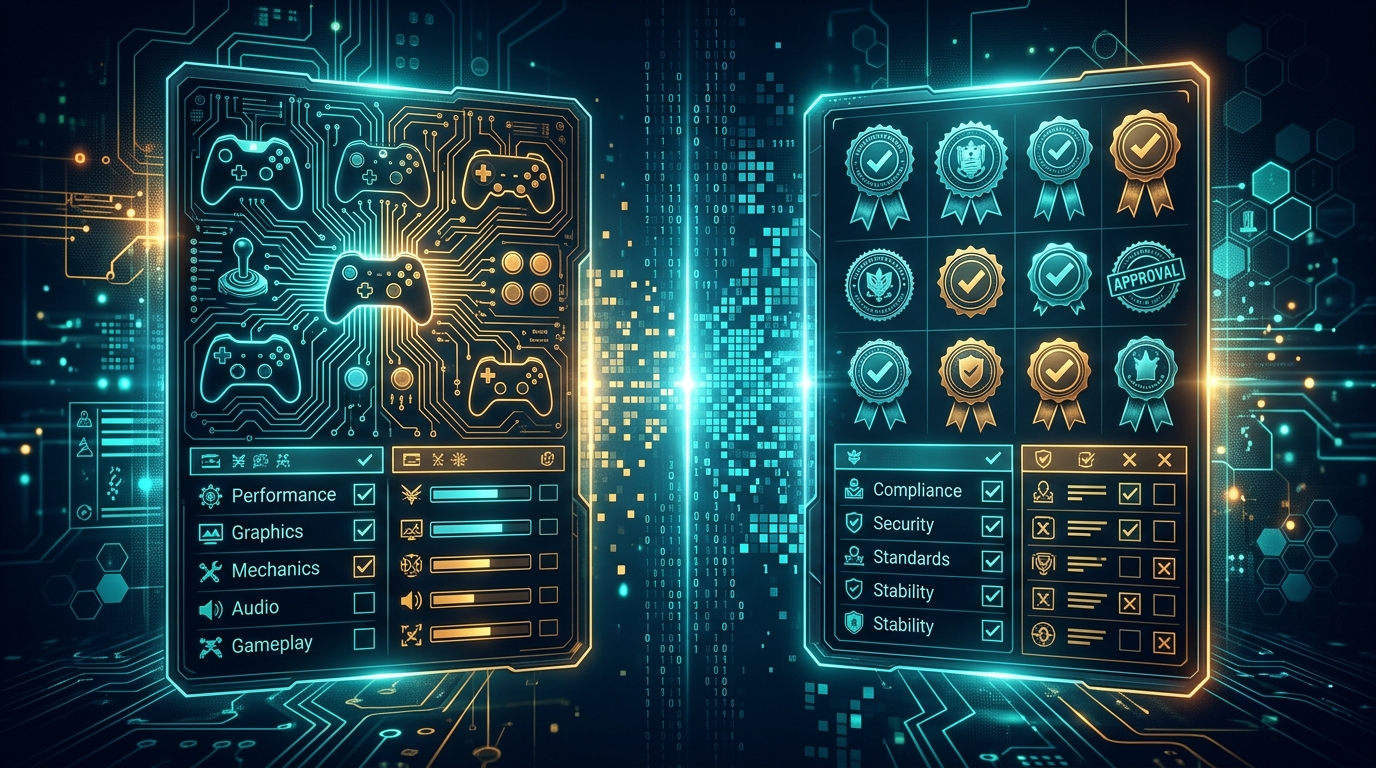
- Identify target platforms
- Assess resource allocation
- Manage timeline and certification checks
- Hardware/API discrepancies
- Compliance with different regulations
- Maintain fidelity across platforms
Sources

Eliot Reed writes about the intricacies of virtual worlds, blending analysis with storytelling. As a house writer for GoAndGame, he delves deep into game mechanics and narratives, offering thought-provoking insights for players and developers alike.


