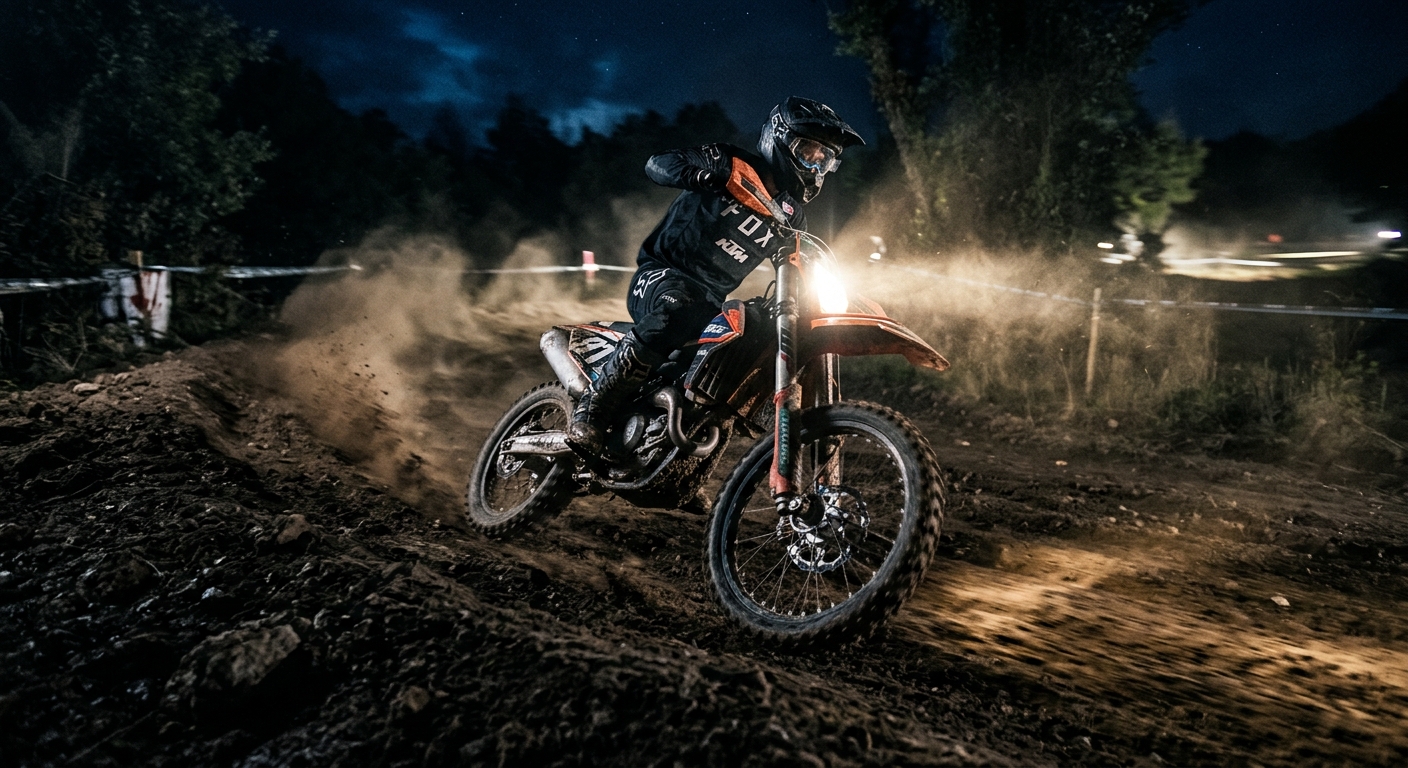
The world of Dirt Pump changes completely after dark. The sun drops, the track goes shadowy, and every input you make carries consequences you can barely see coming. Night mode is not a skin or a difficulty toggle. It rewires how you read the game, swapping visual clarity for something more instinctual and, for players who crack it, more satisfying.
"When the lights dim, your senses sharpen. It's a dance in the dark."
Reading the Dirt Before the Dark Takes Over
Daylight in Dirt Pump hands you information constantly. Tire marks cut into the surface and show where previous runs carved their lines. Texture shifts in the dirt signal a surface change ahead. Color contrast separates the safe groove from the loose shoulder. Night mode pulls most of that away. The marks are still there in the game's physics model, but you cannot see them clearly enough to use them as navigation aids.
What replaces visual reading is audio. The game produces distinct tire feedback sounds that shift with grip level, and seasoned players learn to track those tones the way a pianist tracks key changes. A low, consistent rumble signals settled contact. A higher-frequency rasp means the rear is hunting for traction. Catching that rasp early, before the slide goes wide, is the core skill that separates night-mode beginners from players who can string together clean drift chains across a full lap.
The Pump Mechanic and Why Night Amplifies It
The pump technique at the heart of Dirt Pump involves rhythmic weight transfer: compress the suspension into a corner, let it rebound, and carry that momentum forward. During daylight, visual markers help you time each compression. You see the berm, the apex marker, the track edge, and you sync your inputs to those reference points. At night, those markers go dark or become ambiguous smears at the edge of your headlight cone.
The result is that night play pushes the pump technique toward pure internal timing. Players count beats, find a rhythm that matches the track's geometry from memory, and trust the count over what little they can see. This is harder to learn and much harder to teach, but players who develop reliable internal timing in night mode often find daytime sessions feel almost slow. The visual information becomes a bonus on top of a rhythm they already own.
Vehicle Setup Philosophy After Sundown
Setup choices that work well in daylight can become liabilities once visibility drops. Stiff rear suspension helps precise rotation on a track you can see fully, but at night, when surface surprises come faster than you can react visually, that same stiffness turns small mistakes into unrecoverable spins. Many players shift toward a softer rear and a relatively firmer front after sundown. The softer rear absorbs unexpected surface variation and keeps the slide gradual enough to correct, while the firmer front preserves steering response so counter-steer inputs register quickly.
The philosophy behind this is managing weight transfer rather than maximizing grip. You are not trying to plant the car. You are trying to keep the slide in a zone you can feel and correct. That is a narrower margin to work within, which is exactly why night drifting in Dirt Pump has developed its own dedicated player base, separate from the daylight competition scene.
Community Technique and the Meta That Emerged From Darkness
Night mode in Dirt Pump produced one notable community-developed technique: the micro-counter-steer flick. The move is a split-second input initiated just before the apex, redirecting the vehicle's angle by a few degrees rather than waiting for the slide to fully develop and then correcting. The flick keeps the drift tighter and allows the player to start pumping out of the corner sooner. It spread through shared replays and player discussions rather than any official tutorial, which is typical of how technique matures in arcade-leaning games.
Players have also noted that the cognitive pattern night drifting demands, specifically tracking rhythm and audio cues while suppressing the urge to over-correct based on incomplete visual data, transfers interestingly to other arcade games built around segmented decision-making. The skill is not identical across titles, but players who develop patience in night mode tend to approach new arcade challenges with more comfort around uncertainty, which is its own kind of reward.
The Aesthetic Dimension: Why Night Drifting Feels Different
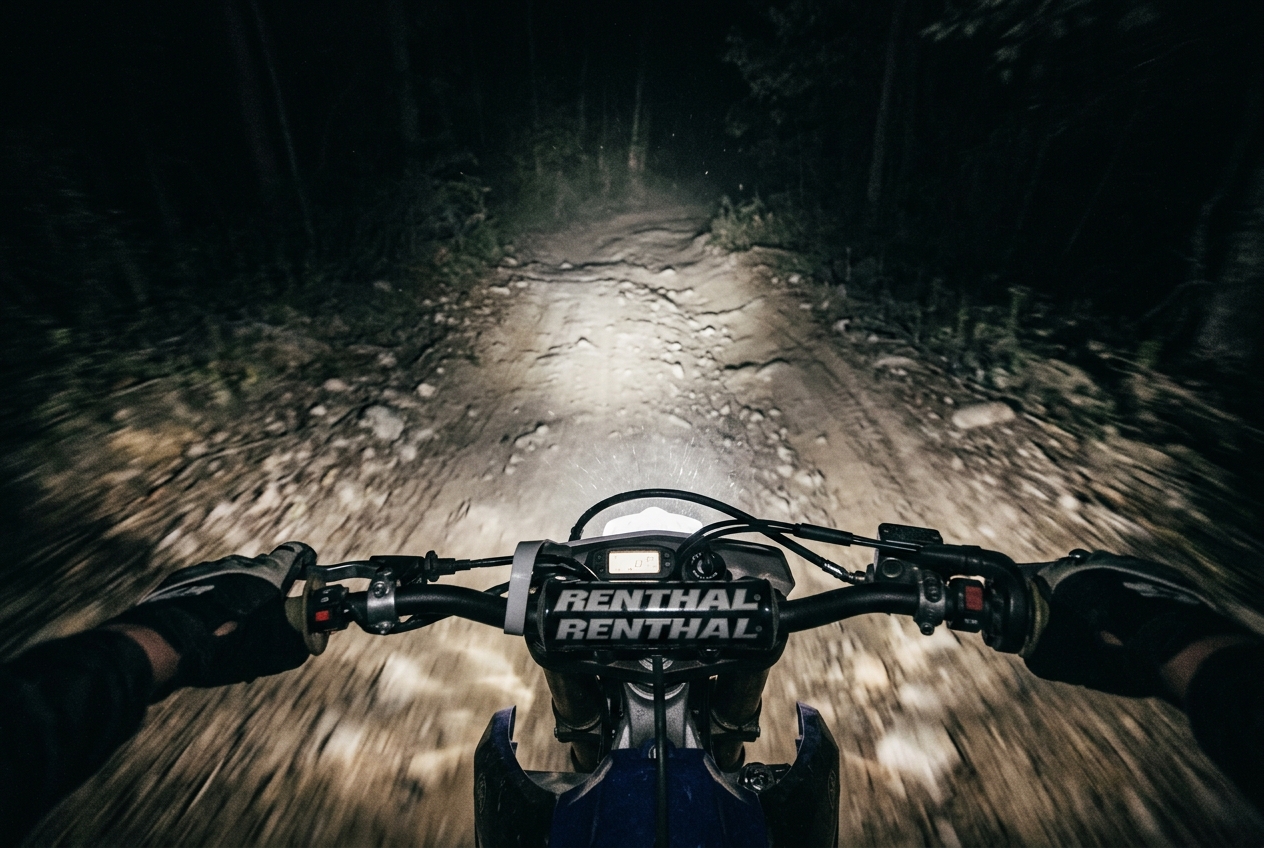
There is a mood to night mode that daylight cannot replicate. The headlight cuts a cone through dust. The speedometer casts a faint glow over the cockpit. The track edges dissolve into dark rather than resolving cleanly, which creates a tunnel effect that concentrates attention on the narrow strip of lit dirt ahead. Players consistently describe night sessions as more immersive, not because the game is doing more visually, but because it is doing less and asking you to fill the gaps.
That stripping-back quality connects night mode to the broader appeal of arcade games in general. The best arcade titles work by reducing the world to a set of readable signals and asking you to respond faster and more accurately over time. Night drifting in Dirt Pump is an extreme version of that contract. It removes signals rather than adding them, and what remains is a direct conversation between your timing, your rhythm, and the track. That is a harder conversation, and clearing a clean night lap carries a specific satisfaction that daytime completion simply does not match.

Alexandra Rivet explores the intricate interplay of games and culture for GoAndGame. A passionate storyteller, she delves into narratives with depth and curiosity. Her pieces often highlight the stories behind the pixels.


