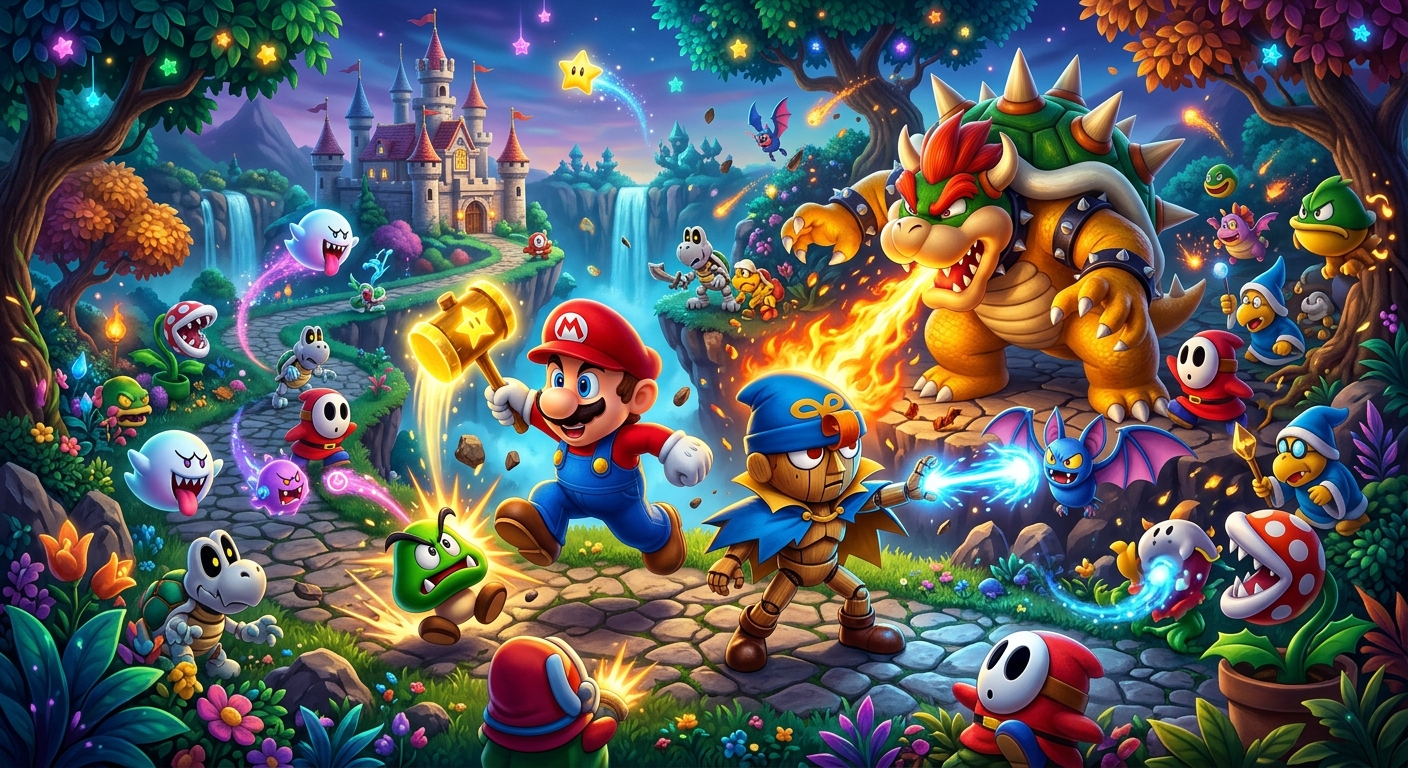
The announcement of Nintendo's 2023 remake of Super Mario RPG stirred a mix of excitement and skepticism among fans of the original. The beloved SNES classic from 1996, a collaboration between Nintendo and Square, blended platforming action with the turn-based, strategic depth of traditional RPGs. Now, nearly three decades later, the question remains: does this remake capture the magic of the original, or does it reveal its age through the new polish?
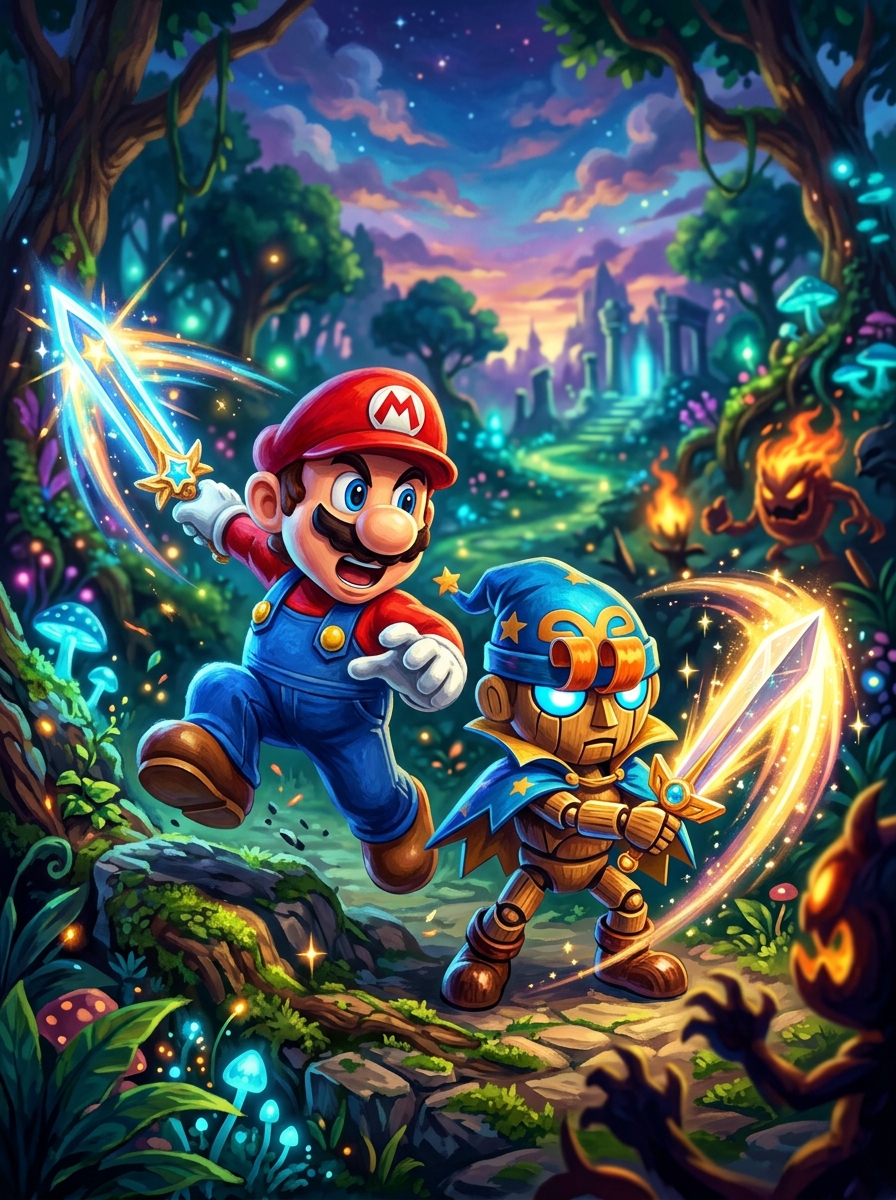
From the outset, the remake's overhaul is evident. Nintendo, with the aid of ArtePiazza, rebuilt the game from the ground up. The move from pixelated sprites to enhanced 3D models offers a visual experience that feels both nostalgic and modern. Most striking is the application of expressive character animations that breathe new life into the familiar cast: Mario, Mallow, Geno, Bowser, and Princess Toadstool. Their reactions and playful gestures inject fresh comedy into scenes that once relied on static text and simple movements.
A Legendary Origin Gets a Second Wind
The remake reintroduces players to Super Mario RPG's distinctive isometric view. While many assume this means a simple graphics update, the game was meticulously reexamined by the development team. The 2023 version honors what made its predecessor a gem, balancing homage with targeted refinement. The RPG genre has shifted considerably since 1996, and player expectations have shifted with it. The remake addresses this by emphasizing accessible gameplay and lean storytelling rather than sprawl. GamesRadar called it "an incredible remake that recontextualizes the original," a verdict that reflects how thoroughly ArtePiazza engaged with the source material rather than simply buffing its surfaces.
Visual and Audio Overhaul: Charm Preserved, Fidelity Added
The shift to 3D visuals is complemented by a reoriented soundtrack. Yoko Shimomura's original compositions received a full orchestral treatment, transforming iconic MIDI tunes into elaborate symphonic pieces without losing their melodic core. This audio upgrade grounds the vivid new visuals in a soundscape that feels deeply familiar and richly expanded at the same time. Players who spent hours with the SNES original will recognize every theme while hearing textures that were simply impossible on 1996 hardware. The character animations deserve special mention here as well: Mario pantomimes, dances, and reacts to events with more personality than he has shown in almost any mainline game, and he does it all without saying a word.
Gameplay Systems: Accessible Depth in a Streamlined Package
The essential mechanics of Super Mario RPG remain intact, particularly the engaging timed-hit combat system. This mechanic requires players to press buttons with precision to maximize attack efficiency, transforming battles from passive menu selections into dynamic, attentive encounters. A new Triple Move feature adds further depth, letting players combine character abilities for larger payoffs and giving party composition real strategic weight.
Averaging a 15 to 20-hour runtime, the campaign stays tight and avoids the pacing drag that longer RPG narratives often accumulate. TheGamer's reviewer noted that the game's "razor-sharp wit, and surprisingly heartfelt story" elevated it quickly to one of their favorite Mario games, high praise from someone who had not played the SNES original. The brevity is a feature rather than a flaw: the game respects the player's time while still delivering a complete arc with genuine emotional beats.
The Metacritic aggregate sits at 84 based on 114 critic reviews, with 93 percent of those reviews landing in positive territory. That consensus reflects a remake that satisfied critics across the board rather than dividing them along nostalgia lines.
The Nostalgia Question: Revival or Comfortable Stagnation?
Nintendo has made a habit of revisiting its back catalog, and skeptics are right to ask whether each project moves the needle or simply repackages familiar goods for a new price tag. The Super Mario RPG remake earns more than a pass on that question. One practical argument for its existence is access: the original had a limited North American release and never received a widespread second life until a brief Virtual Console window. Many players simply never had a reasonable opportunity to play it. The remake closes that gap cleanly.
The editorial claim that the remake "sidesteps cynicism" is tempting to make but hard to prove on its own. What the reviews do show, concretely, is that first-time players came away as enthusiastic as returning ones. That split audience approval is rarer than it sounds. A remake that works only for people soaked in the original is a museum piece. One that works for both groups is something closer to a living game. Super Mario RPG in 2023 lands in the second category, which is the harder one to occupy and the more honest answer to whether it justifies its own existence.
Sources

Alexandra Rivet explores the intricate interplay of games and culture for GoAndGame. A passionate storyteller, she delves into narratives with depth and curiosity. Her pieces often highlight the stories behind the pixels.


