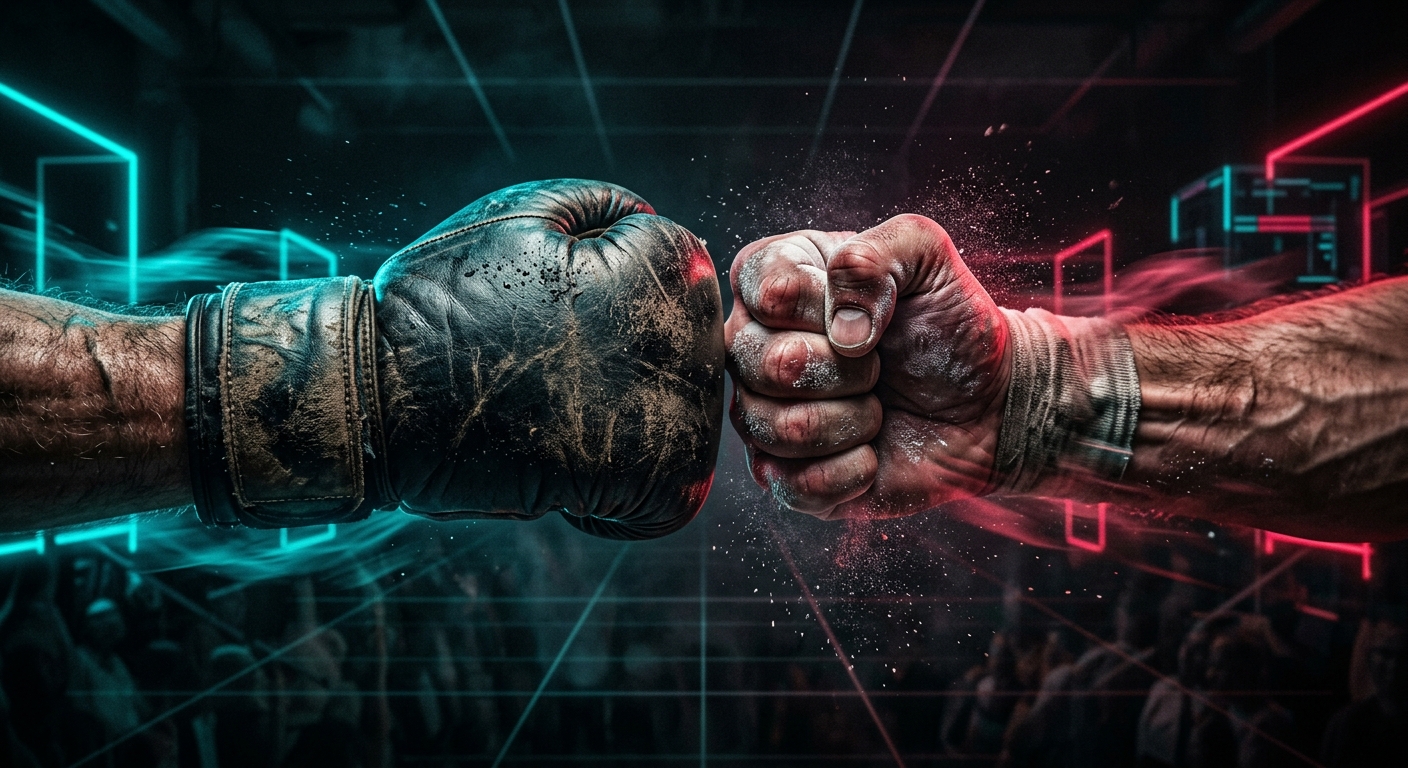
Street Fighter 6 arrived in 2023 with more accessibility ambition than almost any mainline entry before it, and the fighting game community spent the next eighteen months arguing about whether that ambition was a gift or a concession. Now Year Two is here, bundled with a sale timed to Gamescom 2025, and the question is sharper than ever: do the new control refinements and Battle Hub additions actually pull casual players closer to competitive play, or do they just make the early hours feel friendlier before the same old wall appears?
The Year Two Season Pass: What's in the Box and What It Costs
Capcom dropped the price of the Year 2 Character Pass for the first time since launch specifically around Gamescom 2025, a choice that reads less like generosity and more like a calculated population refresh. The Steam version carries a 35 percent discount, landing it at a price point that previously kept PC players on the fence. The PlayStation Store listing runs the same bundle under product identifier UP0102-PPSA02632_00-SF6000000000Y2CP, and the coordinated timing across platforms suggests Capcom wanted a simultaneous surge in returning players rather than a platform-exclusive marketing moment.
The pass itself bundles DLC fighters whose move sets were designed with newer players in mind, which creates an interesting tension. Street Fighter 6 has always marketed itself on the depth of its neutral game, the kind of footsie-and-read complexity that takes hundreds of hours to internalize. Stacking that reputation against a roster addition strategy built around accessibility is a productive contradiction, and it defines almost everything interesting about Year Two.
According to EventHubs, the pass went on sale for the first time alongside the Gamescom announcement, marking a shift in how Capcom is positioning the game heading into autumn's competitive calendar. A first-ever discount after more than a year of full-price availability is a significant signal. It says the publisher knows the game needs new blood before the competitive season accelerates.
Control Refinements and the Ongoing Accessibility Debate
Modern Controls remain the most debated feature in Street Fighter 6's design history. The system compresses quarter-circle motions, charge inputs, and multi-button combinations into single-button shortcuts, applying a modest damage penalty in exchange. Year Two's patch notes adjust that penalty with more granularity than previous updates, tightening damage scaling at specific combo links rather than applying a flat reduction across the board. The result is a system that still rewards Classic Controls at the highest levels while making Modern Controls a more credible option in mid-level play.
Tournament organizers have argued both sides of this for months. Some see Modern Controls as a different expression of skill, one that shifts emphasis from execution to decision-making. Others view any input compression as a dilution of what makes fighting game mastery meaningful. Year Two does not resolve that argument, and it probably should not try. What it does is make the damage penalty feel more like a meaningful trade-off and less like a punishment, which is a meaningful distinction for players sitting between casual and competitive rungs.
For players coming in fresh, the refinements change the texture of the learning curve. Inputs that previously required dedicated practice sessions now open up through experimentation. That matters enormously for Southeast Asian grassroots scenes, where offline arcade culture is alive but dedicated practice time is not always available. A control scheme that rewards curiosity over rote repetition broadens the potential player pool without requiring everyone to invest identical hours before the game becomes fun.
Battle Hub Season Two: Social Space Meets Competitive Infrastructure
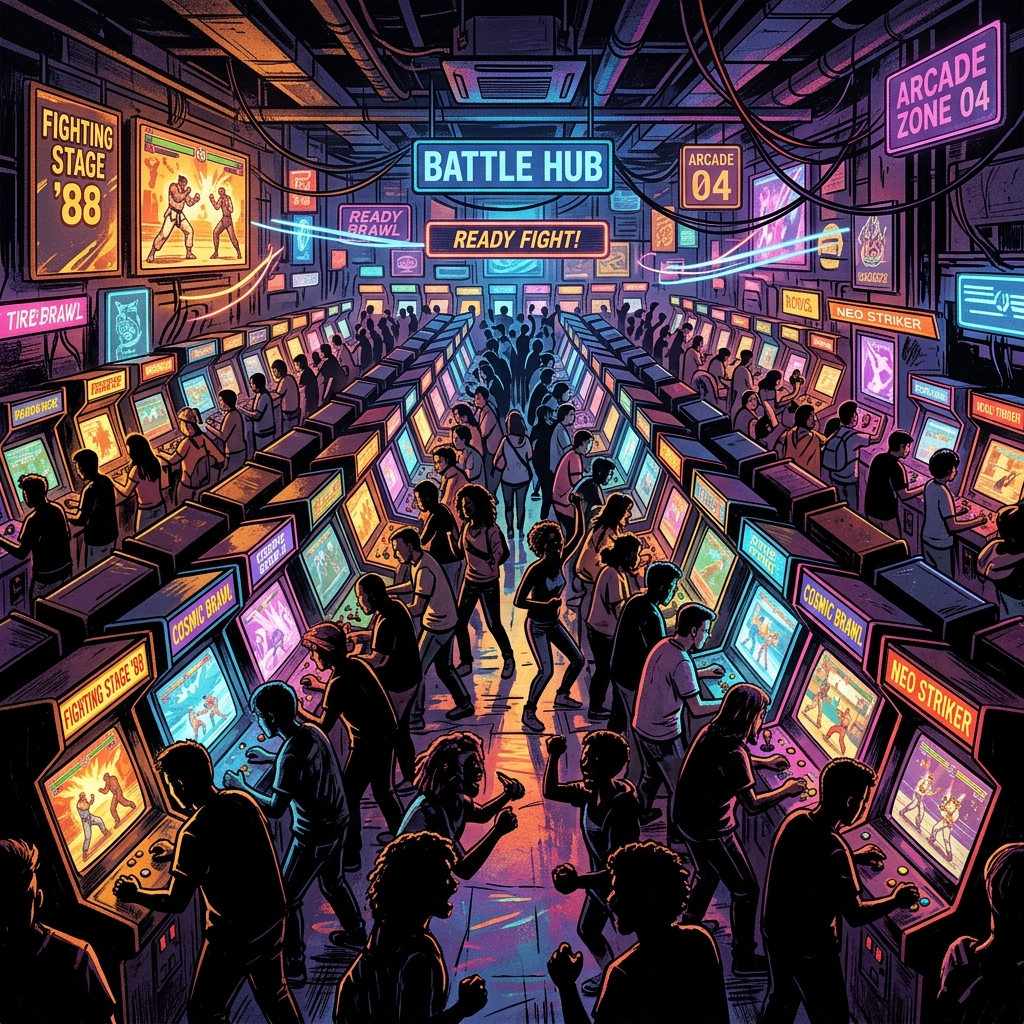
The Battle Hub was always the most architecturally ambitious part of Street Fighter 6. Presenting an online game as a persistent arcade lobby, complete with vintage Capcom cabinet art on the walls and avatar customization that references the game's world tour aesthetic, was a bet that players would value social proximity alongside competitive matchmaking. Year Two expands that bet considerably.
New ranked-adjacent modes let players self-select into appropriate skill brackets before committing to a formal ladder match, which addresses one of the hub's persistent friction points. Nothing kills a social space faster than repeated blowout losses for players who are still learning neutral game fundamentals. The new modes create a buffer zone, a place where skill-appropriate play can happen without the psychological weight of formal rank movement.
The Gamescom sale timing matters here more than it might initially appear. The Battle Hub's central promise depends on population density. An empty hub is not just a dead feature; it actively undermines the game's stated identity. Cosmetic additions bundled with the character pass, including avatar gear and new jukebox tracks, give returning players reasons to spend time in the hub on days when they are not grinding ranked points. That kind of passive engagement sustains the social ecosystem the game needs to make its long-term design work.
Does Year Two Actually Bridge the Competitive Gap?
The honest accounting here is partial credit. Year Two's changes lower the floor more convincingly than they raise the ceiling, which means the gap narrows from one direction. That is not a failure; it is the more realistic path for a live-service fighting game in its second year. The players who have spent hundreds of hours in Classic Controls will find that drive system adjustments in the new patch reward precise resource management in ways that keep the high-skill game genuinely demanding. The ceiling did not drop to meet the rising floor.
What this update communicates most clearly is that Capcom understands the second-year retention problem that hits every live-service title. The answer the studio chose is not simplification. It is friction reduction at the entry and mid-game stages, preserving the complexity that makes high-level Street Fighter 6 extraordinary for the players willing to reach it. That philosophy is defensible, and so far the execution supports it.
Whether the Gamescom sale actually produces a lasting population surge will become clear over the next month of hub data. If returning players find enough to engage with in the new modes and stick around past the initial curiosity window, Year Two will have done its job. If the hub empties again by October, the content depth question reopens. For now, the evidence points toward a development team that is paying attention to where players drop off and patching those specific pressure points rather than redesigning the game around its loudest critics.
Recapping Year Two's Two Biggest Bets
Year Two is not a reinvention. It is a careful accumulation of adjustments aimed at the players Street Fighter 6 has not yet converted rather than the ones it already has. The sale is real, the control refinements are meaningful, and the Battle Hub additions address genuine problems. The gap between weekend players and EVO hopefuls has not closed, but the path connecting them got a few more visible markers. For a game this complex, that counts as progress worth noting.
Sources

Priya Nambiar covers competitive gaming and emerging esports ecosystems for GoAndGame, with a particular focus on Southeast Asian scenes and grassroots tournament culture. She came up through community forums before moving into sports journalism, and that background shapes everything she writes.


