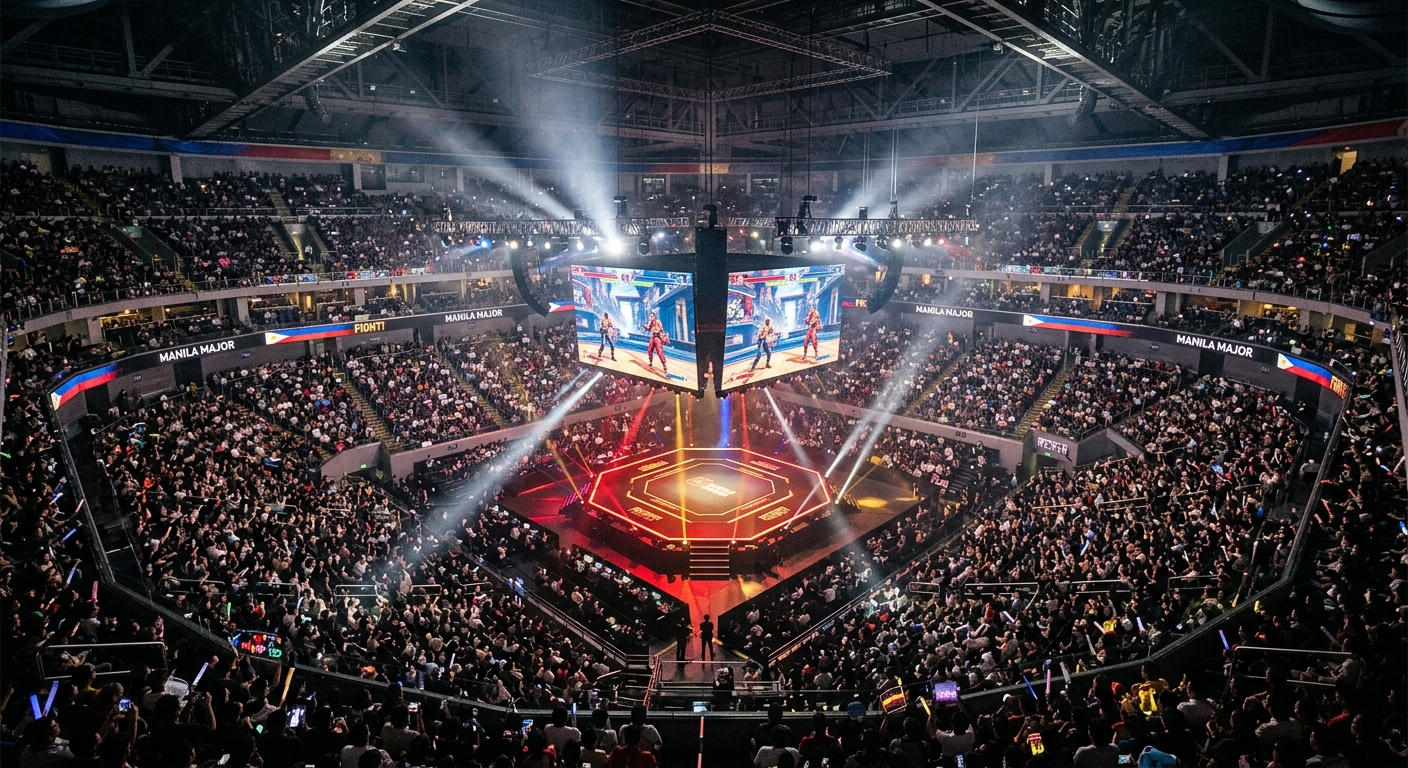
Manila has hosted regional qualifiers, grassroots weeklies, and Capcom-sanctioned side events for years. Now it gets the main stage. Capcom confirmed that the Street Fighter 6 World Tour Finals will be held in the Philippines for the first time, a decision that lands at the exact moment the local scene has the most to say for itself: a homegrown champion fresh off a celebration cup win, a Filipina fighter newly added to the roster, and a competitive infrastructure that has been quietly compounding since the arcade era.
For the first time in World Tour history, the Finals crown will be contested on Philippine soil, a moment years of grassroots hustle quietly made inevitable.
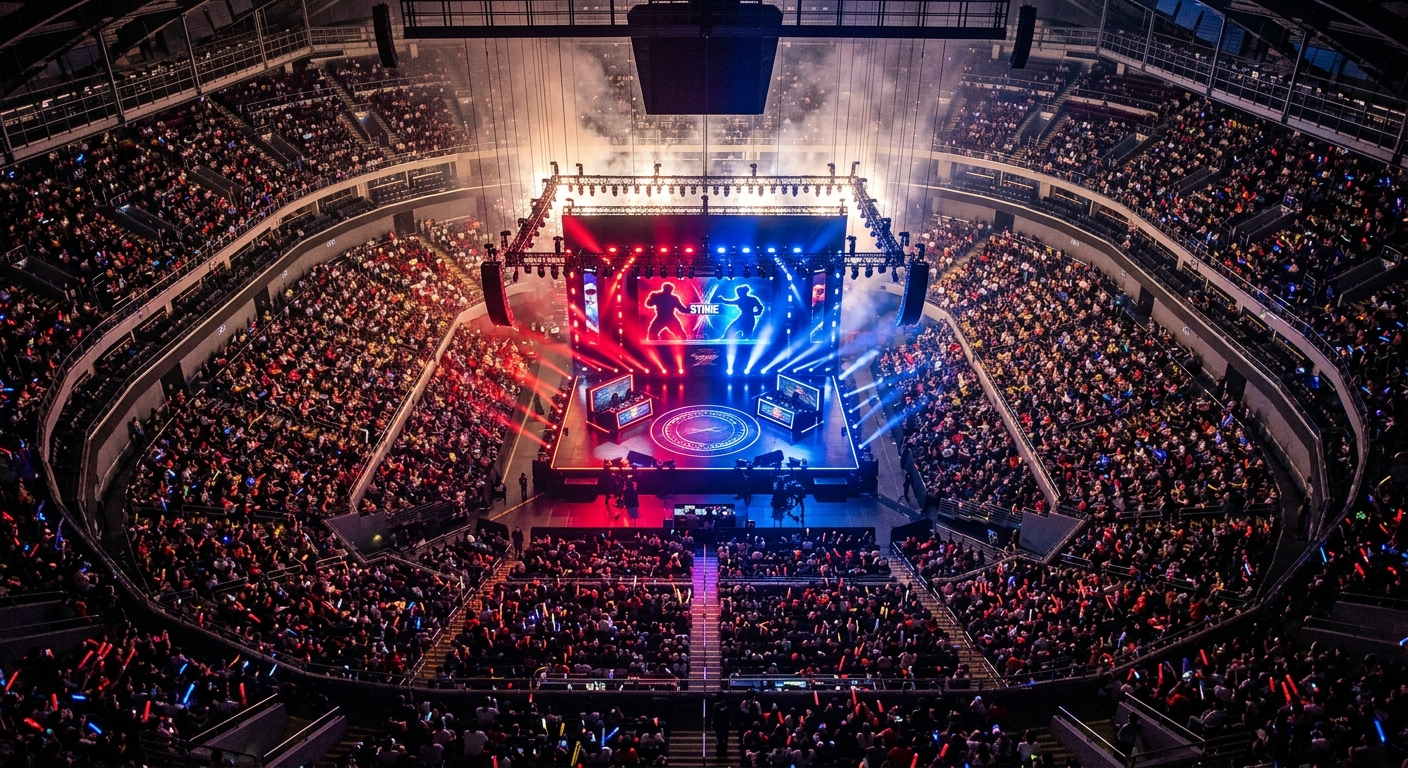
A Historic First for Southeast Asian Esports
Hosting rights for major fighting game finals have historically clustered in Japan, the United States, and Western Europe. The selection of Manila breaks that pattern in a meaningful way, not as a one-off curiosity but as a signal that Capcom is treating Southeast Asia as a primary competitive destination rather than a satellite market. That distinction matters to anyone who has watched regional talent travel to finals they had no chance of hosting, perform well, and return home to scenes that deserved more visibility.
The Philippines sits in an unusual position in Asian esports. It is neither the largest economy in the region nor the longest-established esports hub, but it consistently produces passionate crowds, competitive depth, and the kind of broadcast energy that sustains viewership. Capcom's decision reflects a calculation that has been building in the background of every regional qualifier the country has hosted with clean production and strong attendance figures.
For neighboring Southeast Asian nations with their own fighting game communities, the precedent is worth watching. A confirmed Finals rotation through the region would reshape how local organizers plan multi-year development strategies, knowing that the ceiling is higher than a regional qualifier slot.
Yasmine and the Filipina Fighter Effect
Yasmine joined the Street Fighter 6 roster on August 3, 2026, and her arrival was not subtle. She is the franchise's first Filipino martial artist, built around Eskrima footwork, Karambit knife attack strings, and a super-state called Bayani Mode that accelerates her pressure tools into high-speed combo sequences. The cultural sourcing is specific enough that players with any familiarity with Arnis or Eskrima will recognize the movement logic underneath her animations.
That specificity has a practical dimension in competition. A character designed around a martial tradition is not just a narrative gesture toward the community. It creates a learning curve shaped by cultural knowledge, and Filipino players who grew up watching or practicing those disciplines have a head start on reading her timing. Whether that translates into a meaningful competitive edge at the Finals level will depend on how the matchup data develops, but the psychological ownership is real and already visible in how the community has taken to her.
Capcom also organized an official community launch event in Makati on August 9, 2026, with live tournaments, cosplay, and exclusive in-game items. The turnout reinforced what the announcement alone could only suggest: the character generated genuine enthusiasm, not just national pride talking points.
Local Scene Momentum and the Road to Finals
The competitive groundwork did not appear overnight. The Street Fighter 6 Yasmine Celebration Cup, won by player H1ghscor3, gave Capcom a concrete data point to work with. H1ghscor3's victory in a sanctioned, high-profile event demonstrated that Filipino competitors perform at a level that produces compelling broadcast narratives, which matters to a publisher evaluating where to place its marquee event.
Beyond that single result, the broader community has spent years building the connective tissue that makes a Finals viable. Local tournament organizers, content creators running match coverage, and venue operators across Metro Manila and beyond have collaborated to create a circuit that moves talent upward from neighborhood gatherings into nationally recognized competitions. That infrastructure does not build itself, and it does not become visible to international publishers without consistent, documented performance at the events that do get attention.
The Celebration Cup win also reinforced that Filipino organizers can execute the production standards Capcom requires for sanctioned events. Attendance figures, stream quality, and bracket management all feed into the calculus of whether a market earns escalating investment. Manila passed those checks at the level that mattered.
What the Manila Finals Means Going Forward
The commercial logic behind the decision extends past competitive prestige. The Philippines has a population deeply embedded in gaming culture across multiple generations, with relatively affordable production infrastructure and crowds that travel within the country to attend major events. Sponsors and peripheral brands active in the gaming space are likely to accelerate regional commitments in response to a Capcom-validated venue, because the Finals concentrates exactly the audience that justifies localized campaigns and physical activations.
There is also a longer-term signal here for how global publishers think about market development. Treating a region as a feeder pool for tournaments held elsewhere has a ceiling. Rotating prestigious events through the region creates a different kind of engagement, one where local fans have a direct stake in the event's success and where local businesses have a reason to invest in the surrounding ecosystem. The Manila Finals is a test of whether that model generates the returns that would justify making Southeast Asia a permanent part of the World Tour rotation.
For anyone who has followed this scene since the days of arcade cabinets and forum threads, the moment carries weight that a press release cannot fully convey. The grassroots work was real, the results were documented, and the Finals is coming. The next question is what happens on the stage itself.
Sources

Priya Nambiar covers competitive gaming and emerging esports ecosystems for GoAndGame, with a particular focus on Southeast Asian scenes and grassroots tournament culture. She came up through community forums before moving into sports journalism, and that background shapes everything she writes.


