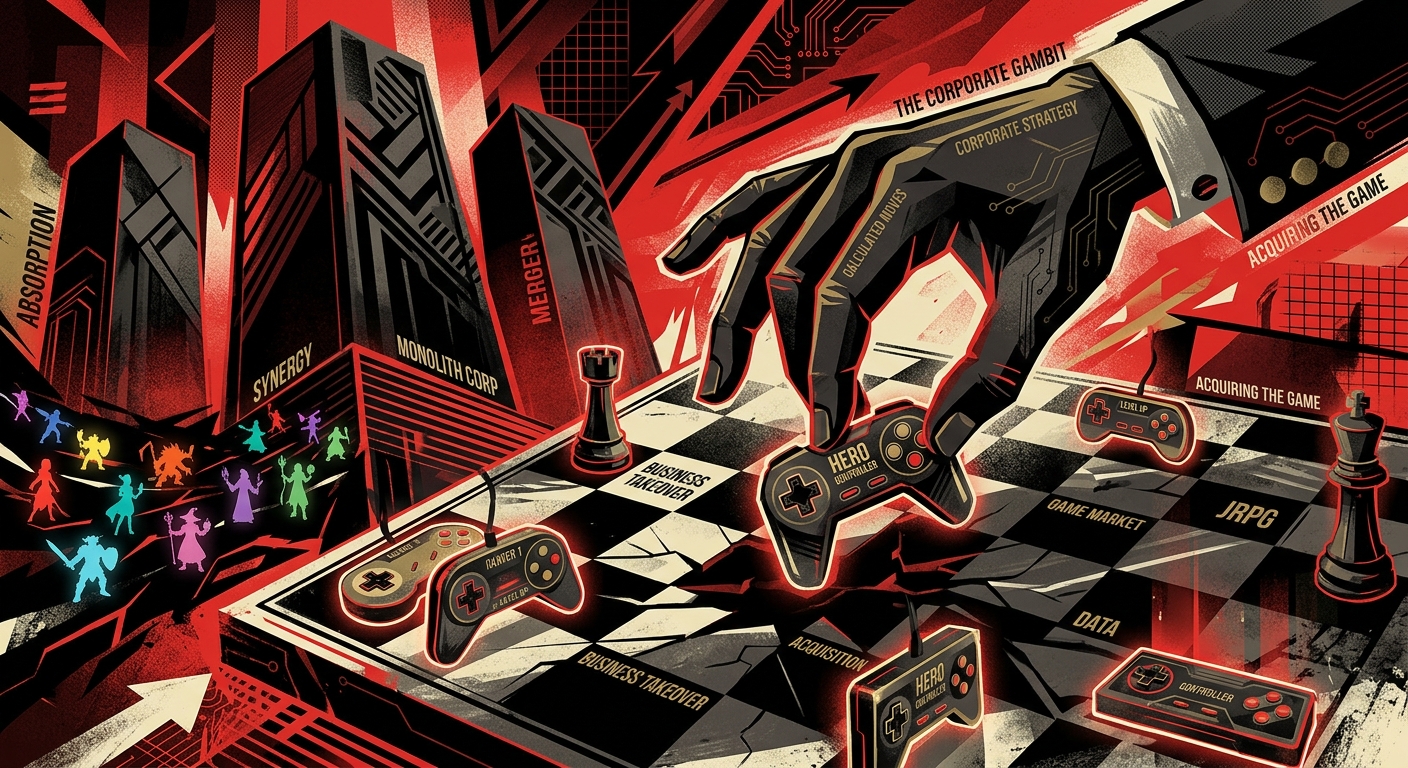
Sony's recent pattern of acquiring mid-tier Japanese RPG studios is not haphazard; it represents a deliberate, calculated platform strategy. This approach signals a significant shift in how PlayStation aims to diversify its first-party portfolio, moving beyond its traditional Western-centric focus. The long-term implications for the future of the RPG genre, and for players across all platforms, are profound and warrant close scrutiny.
PlayStation Interactive Entertainment has developed a clear, repeatable playbook for integrating these developers. This strategy often unfolds in distinct, sequential phases:
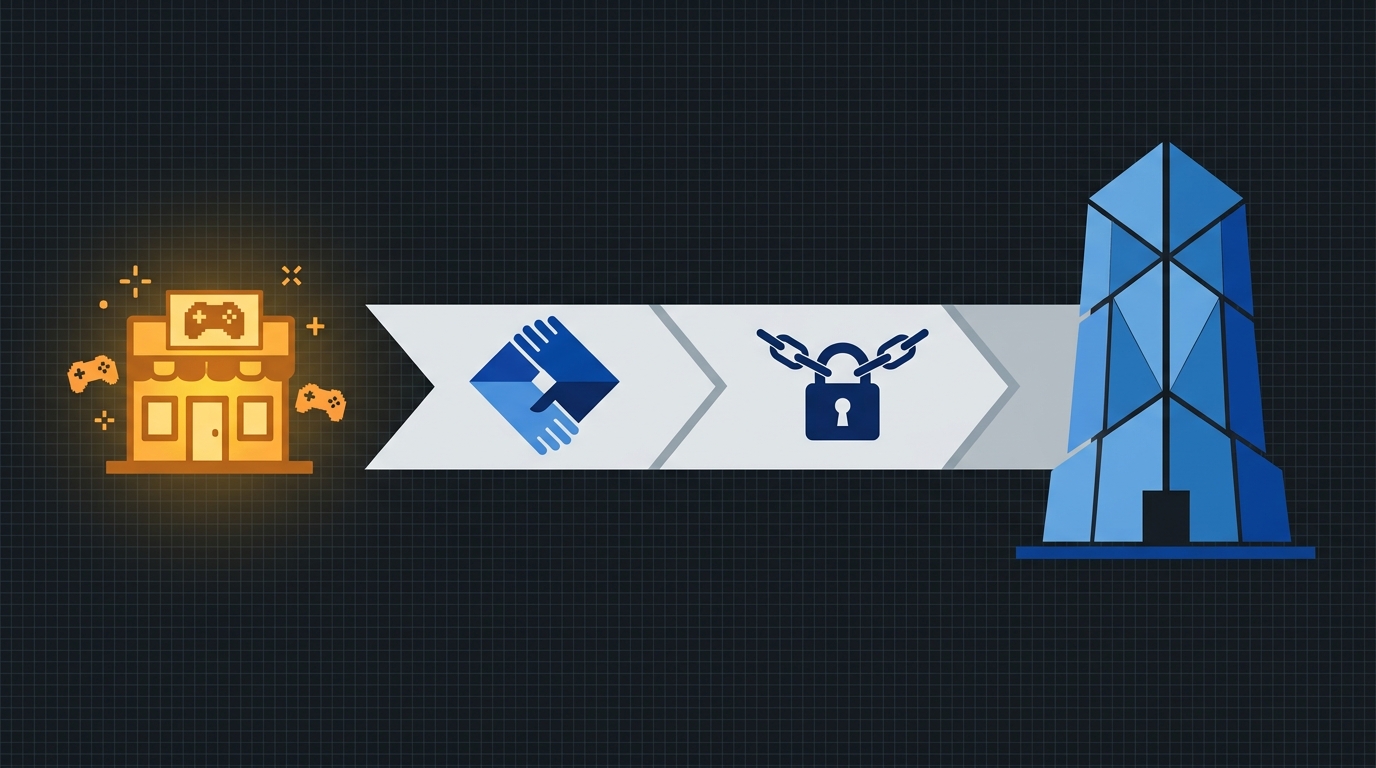
- Early in the relationship, Sony frequently enters into co-development or publishing agreements. These partnerships establish a financial dependency, aligning the studio's interests closely with PlayStation's platform goals.
- These initial collaborations often precede formal buyouts, effectively locking the studio's creative output and intellectual properties exclusively to PlayStation hardware.
The strategic focus on mid-tier Japanese RPG studios is not accidental. Several factors make this segment particularly attractive for PlayStation:
- These studios command relatively lower acquisition costs compared to larger, multi-genre publishers, making them efficient targets for expanding the first-party portfolio without exorbitant outlays.
- They consistently deliver franchises with devoted, returning fanbases, crucial for driving software attach rates and sustained engagement on the PlayStation platform.
- The acquisitions fill a perceived gap in PlayStation Studios' first-party lineup, which has historically leaned heavily on Western action and narrative experiences. This strategy sources the turn-based and story-driven mechanics that Japanese developers have long perfected.
The Acquisition Playbook Sony Is Running
Sony's approach to studio acquisition has become predictable, a structured method designed to integrate specific types of developers. The financial entanglements often begin long before any formal buyout, creating a path of least resistance for studios that might otherwise struggle for visibility or stable funding. This method minimizes risk for Sony, ensuring that any potential acquisition target has already proven its commercial viability within the PlayStation ecosystem, demonstrating a loyal audience that will likely follow its titles onto an exclusive platform. It is a carefully orchestrated process, less about raw creative freedom and more about strategic portfolio alignment.
Which Studios Are in the Crosshairs
Reports from industry publications, including Vice and TweakTown, suggest that Sony is currently in advanced discussions with at least one more undisclosed Japanese developer. The profile for these targets is consistent: studios best known for multi-game RPG series with modest but globally loyal followings. These are typically teams ranging from 100 to 300 employees, responsible for three to six titles within a single, recognizable franchise, often having released at least one game on PlayStation under a prior co-publishing arrangement. This contrasts sharply with Microsoft's broader pursuit of larger, multi-genre publishers. PlayStation, instead, seems to prefer surgical acquisitions of specialists whose creative identity is already well-defined and understood by its existing player base, such as the creators of a nuanced, tactical combat system or a particularly engaging story like those found in Segment Storm or Star Dive.
What Exclusivity Does to a Genre
When a mid-tier RPG studio is absorbed into a first-party ecosystem, the immediate commercial benefits are clear. The studio gains access to guaranteed marketing budgets and platform promotional placement that would have been unattainable independently. This is a significant boon, frequently cited by studio leadership when justifying these deals. However, the long-term impact on the genre itself is more complicated. Franchises that once enjoyed multi-platform releases, reaching players on Nintendo Switch, PC, and PlayStation, suddenly become platform-locked. This reduces the overall addressable audience for these games and risks alienating existing fanbases who may not own the required hardware. Historically, PlayStation Studios' integration of Japanese developers has yielded mixed results; some have thrived with increased resources, while others have experienced protracted development cycles and creative friction as corporate priorities supersede their original vision.
The Competitive Response From Nintendo and Microsoft
Sony's acquisition strategy has not gone unnoticed by its competitors. Nintendo has largely responded not with competing buyouts, but with aggressive exclusivity agreements and strategic co-development investments. This approach effectively inflates the price of access to studios Sony has not yet targeted, making outright acquisition less financially attractive for PlayStation. Microsoft, fresh off its Activision Blizzard integration, has expressed a renewed interest in Japanese RPG content, primarily through Xbox Game Pass. Their strategy often involves offering developers generous revenue-sharing arrangements, allowing studios to maintain their independence while guaranteeing a vast installed base of subscribers. This creates a genuine bidding environment for mid-tier Japanese RPG talent, affording these studios unusual leverage in negotiations and potentially pushing acquisition valuations high enough to prompt Sony to reconsider full buyouts in favor of publishing partnerships.
What Players Should Actually Expect
For PlayStation owners, a successful acquisition in this space most plausibly means a flagship RPG announcement within eighteen to twenty-four months of a deal closing. These new titles will likely feature expanded production values and a day-one release on the PlayStation Plus Premium tier. For players on other platforms, the transition period between acquisition announcement and game release is historically where the most vocal community friction emerges. Fans who have followed a franchise across various platforms must then contend with the reality that future entries will require new hardware purchases. The broader, more philosophical question for players is whether Sony's injection of resources genuinely produces better games within the genre or merely more expensive ones. The ultimate answer to this distinction, and to the long-term health of these franchises, will be found in review scores and sustained player engagement, rather than in the celebratory language of any acquisition press release.
Sources

Julian Thorne is a seasoned house writer for GoAndGame, known for his deep dives into obscure game mechanics and industry trends. He often explores the sociological impact of gaming, blending critical analysis with historical context.


