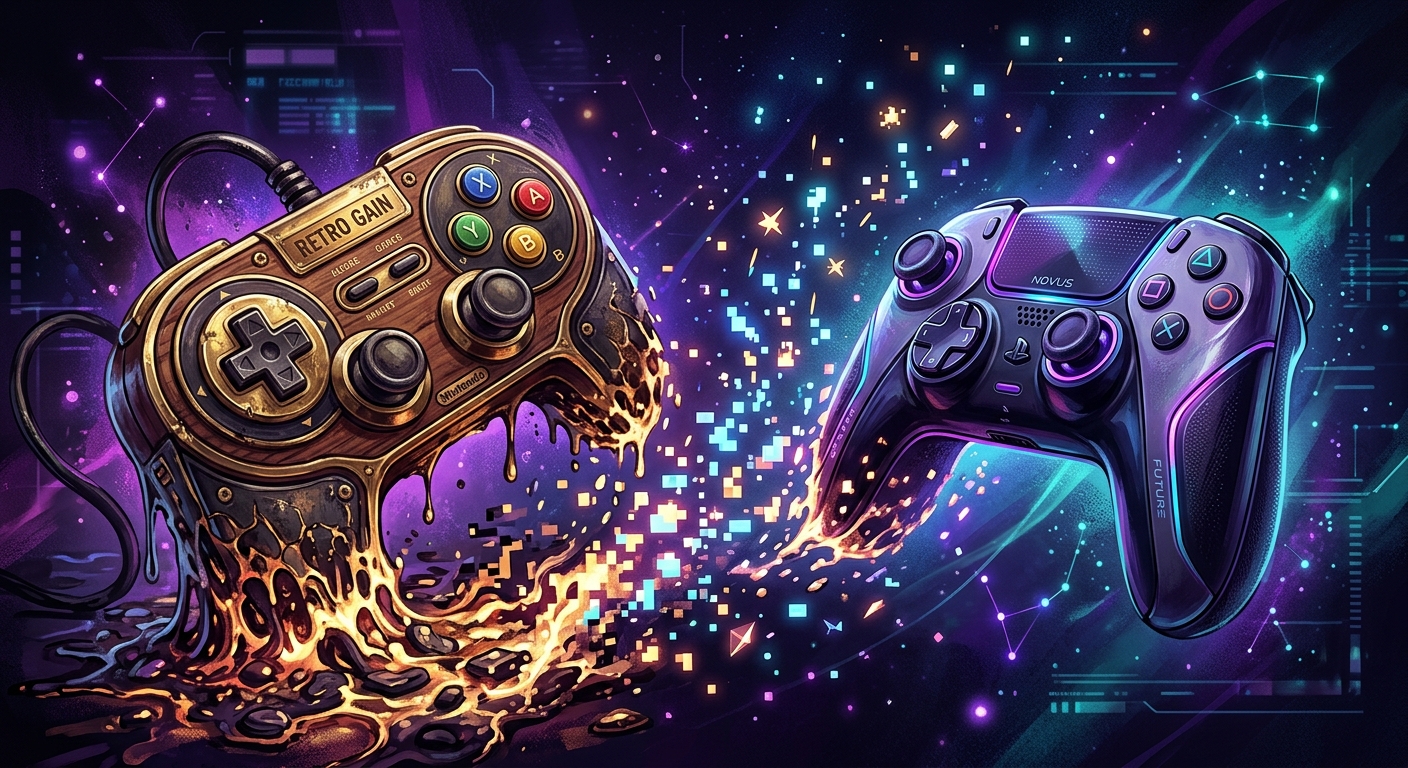
The gaming industry finds itself amid a wave of remakes, remasters, and reboots. This trend, however, is not unique to games. Media broadly has leaned into nostalgia for a decade. Disney's live-action film remakes set a precedent, and television reboots of shows like *King of the Hill* and *Scrubs* confirm a wide cultural appetite for the familiar. Video games are merely the latest medium to fully embrace this strategy, not an outlier driving it. Rolling Stone even identified the return of classic gaming formats as a defining trend for 2025, positioning remakes alongside kart racers and fighting games as commercial anchors.
The Remake as Foundation, Not Crutch
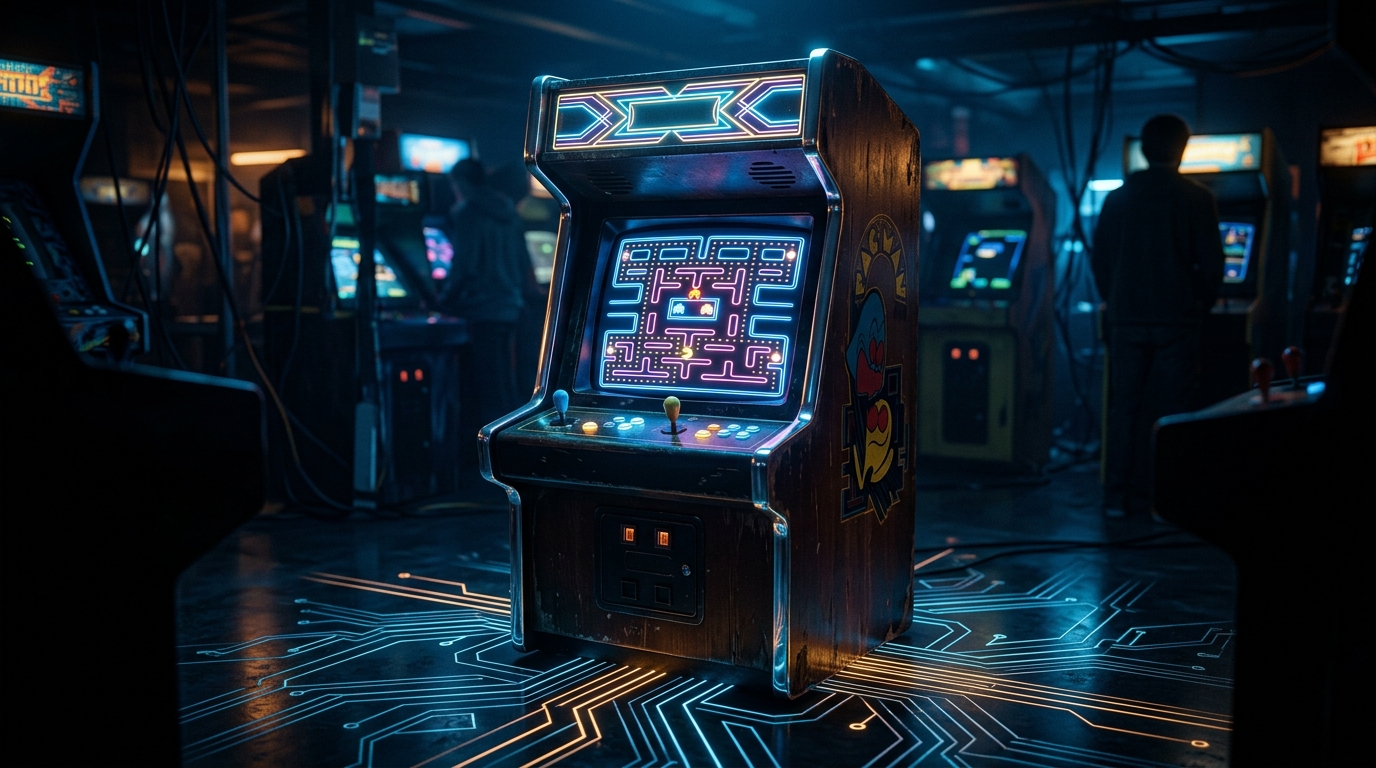
Some argue that remakes serve as a critical bridge. Inverse suggests these re-imaginings may be "the only way to secure the future" of certain game lineages. This perspective frames remakes as mechanisms for preservation and onboarding, rather than a sign of creative exhaustion. They can reintroduce vintage mechanics to players who never experienced the originals, fostering genre literacy. A player discovering a modernized dot-chomper or an asteroid-blasting game like Asteroids Remake may then seek out more experimental work in those styles. Remakes also carry lower financial risk for publishers, which can, in theory, free up capital for original projects elsewhere in a portfolio.
The Remake as Creative Prison
The counter-argument is stark. When remasters and reboots occupy a majority of the release calendar, original intellectual property struggles to find shelf space, marketing budgets, or cultural oxygen. Nostalgia, by its nature, functions as a conservative force. It rewards what has already proven successful and often penalizes unfamiliar ideas. This cycle can inadvertently train both developers and audiences to distrust novelty. The economic logic that renders remakes "safe" can become self-reinforcing, locking studios into a cycle where only proven properties receive greenlights.
What Separates a Remake Worth Making
Not all revisits are equal. The strongest remakes interrogate their source material rather than simply upscaling it. They add modern control schemes, accessibility options, or narrative context that the original era could not support. A remake that merely repaints an old game without expanding its capabilities or themes offers diminishing returns for everyone except perhaps the most devoted completionists. The critical question developers and audiences should pose is this: Does this version make a compelling case for why the game matters now, not simply that it mattered then?

Julian Thorne is a seasoned house writer for GoAndGame, known for his deep dives into obscure game mechanics and industry trends. He often explores the sociological impact of gaming, blending critical analysis with historical context.