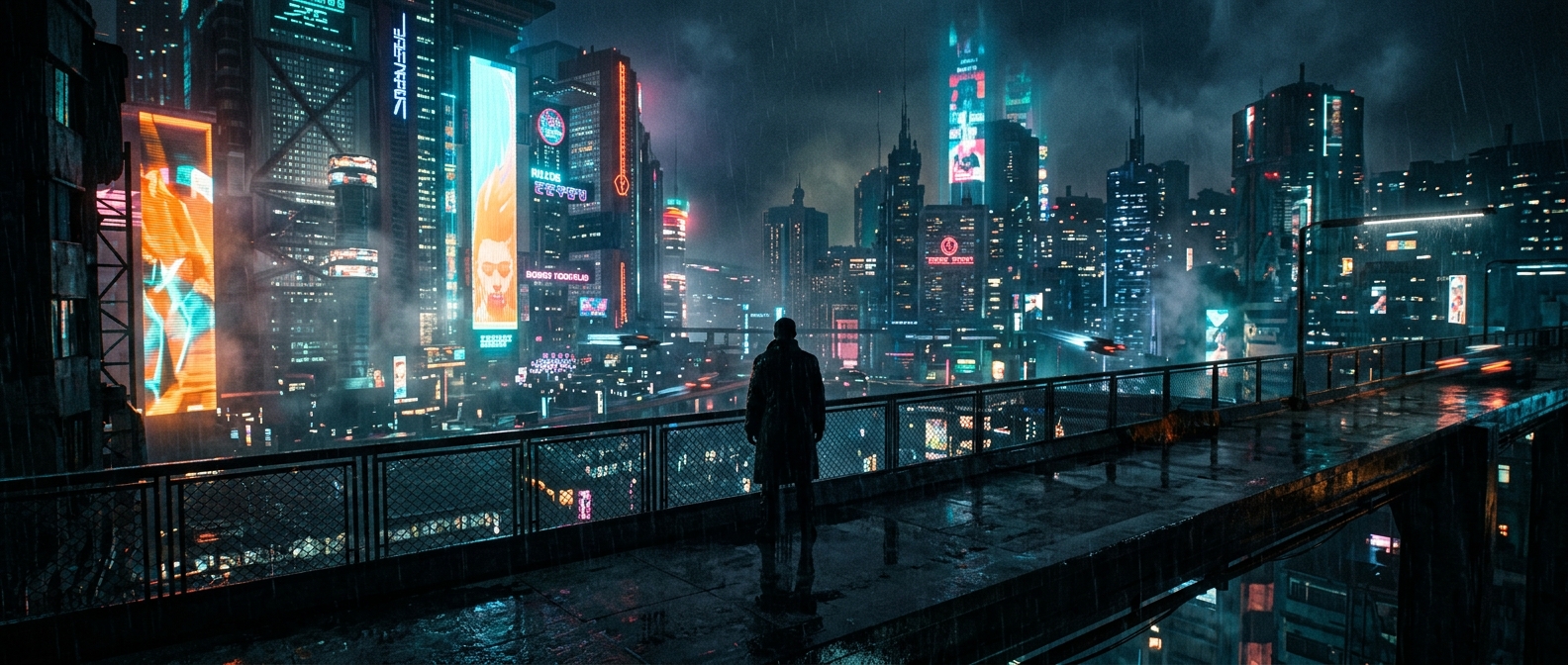
Long before Phantom Liberty arrived, Cyberpunk 2077 had already become a cautionary tale. Released in December 2020, it launched in such poor shape on older consoles that CD Projekt Red pulled it from the PlayStation Store entirely. The studio spent nearly three years patching, overhauling, and rebuilding goodwill. When Phantom Liberty finally shipped in September 2023 alongside the sweeping 2.0 update, it arrived as proof that the studio had actually followed through. That context shapes everything about how the expansion lands.
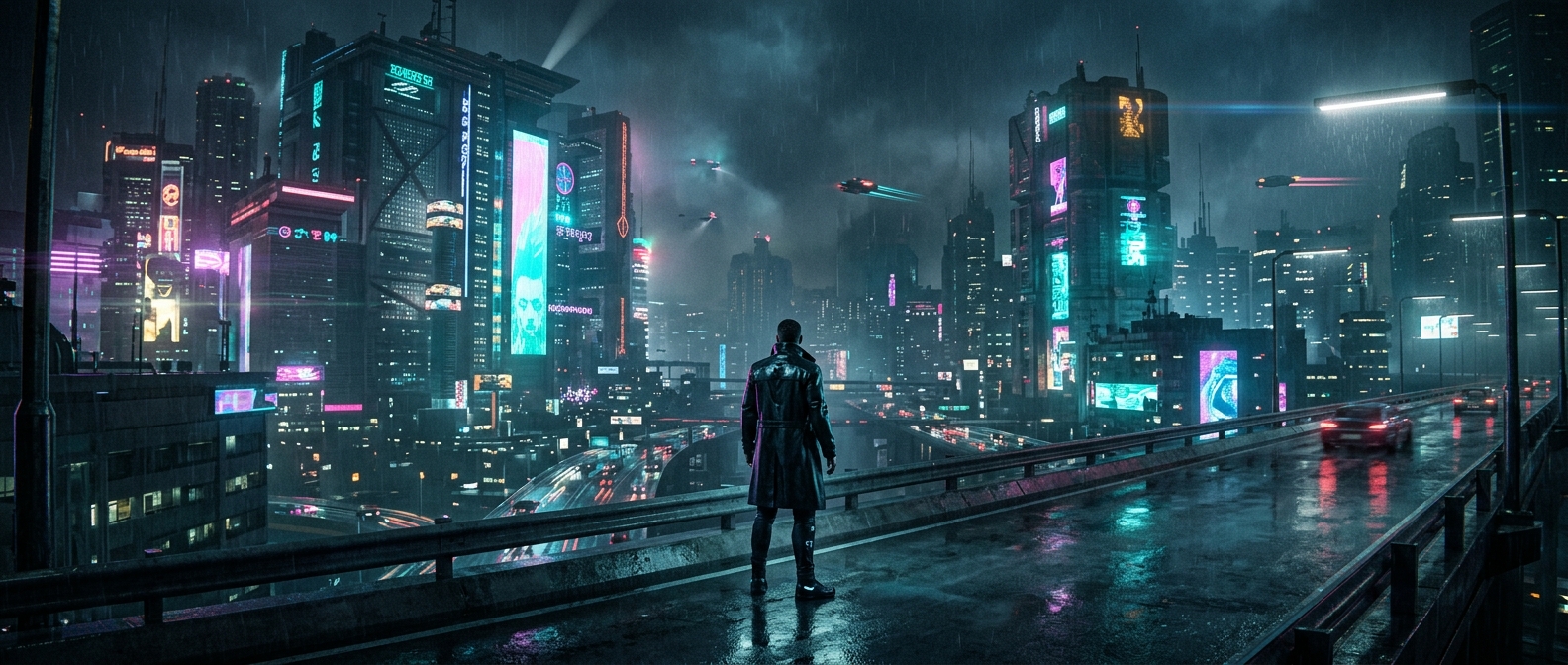
A Redemption Arc Three Years in the Making
The 2.0 update rewrote core systems before players ever stepped into Dogtown. Police AI, skill trees, cyberware, and vehicle combat all received significant reworks. CGMagazine noted that the changes took "core systems and streamlined them" in ways the base game never managed at launch. CD Projekt Red also gave players the option to start fresh or jump directly into the expansion at level 15, a small gesture that acknowledged how much had changed. For players who had abandoned the game in 2020, the update alone was enough reason to return. The expansion was the reason to stay.
Critical scores reflected the shift. Metacritic user scores on PC settled around 8.9, a stark contrast to the chaos that surrounded the original release. Reviewers at outlets including CGMagazine, which awarded an 8.5, credited not just the new content but the foundation the 2.0 patch had laid underneath it. The expansion did not have to carry the weight of a broken game anymore. That freedom shows in every hour of it.
Dogtown and the Spy-Thriller Pivot
The expansion slots into Act 2 of the main story, with V receiving a distress call from a Netrunner named Songbird. The president's plane has been forced down into Dogtown, a walled-off district inside Pacifica controlled by a mercenary named Hansen. The deal on the table is simple: help Songbird get the president to safety, and she will deliver a cure for the shard killing V. What follows is less cyberpunk heist and more Cold War espionage, complete with double agents, classified intel, and moral corners that refuse to stay clean.
Dogtown itself is a technical achievement. WayTooManyGames called it "one of the most densely packed" zones in the game, more detailed street-by-street than most of the base Night City areas. The district's verticality rewards exploration in ways the flat urban sprawl sometimes does not. Gigs and side quests fill the margins, and the surrounding base-game areas received new content alongside the expansion, adding roughly 20 to 25 hours of material in total. The opening sequence, Air Force One breaking apart over Dogtown with V racing toward the wreckage, sets a tone the rest of the expansion works hard to sustain.
Idris Elba, Songbird, and a Cast That Earns Its Wages
CD Projekt Red cast Idris Elba as Solomon Reed, a NUSA sleeper agent whose loyalty has outlasted almost everything else about him. The performance carries weight. WayTooManyGames described it as a glimpse at what Elba's James Bond would look like, and that comparison is not a stretch. Reed operates in grays, and Elba finds the quiet exhaustion of a man who has served too long inside systems that do not deserve him. The character grounds the spy-thriller framing in something that feels human rather than genre-functional.
Songbird complicates the picture further. Her motivations shift as the story progresses, and the decisions V makes around her carry consequences that extend into new endings for the main game. Some transitions involving returning base-game characters felt slightly out of step with how those characters had been established, according to WayTooManyGames, but those are minor rough edges on an otherwise well-constructed narrative. Keanu Reeves returns as Johnny Silverhand, and several Metacritic user reviewers noted his presence felt better integrated here than in the original campaign.
Gameplay Systems and the 2.0 Halo Effect
The new Relic skill tree is exclusive to Phantom Liberty and adds abilities that change how players move through the environment. Bullet-deflection systems, improved mantis blade combos, and short-range optical camouflage give builds a flexibility the base game never quite achieved. Combined with the 2.0 overhaul to cyberware slots and perk trees, the expansion effectively makes the player feel more like the superhuman mercenary the lore always described. Combat reads as intentional rather than chaotic.
Enemy AI received similar attention. Soldiers in Dogtown flank, retreat, and call for backup in ways that push players to think rather than rush. A mission set inside a high-security casino, flagged by WayTooManyGames as a standout set piece, illustrates how the scripted and open-ended design approaches work together. Players can approach it through stealth, social engineering, or direct force, and the AI responds credibly to each. The density of Dogtown's geometry makes all three approaches feel earned rather than exploited.
Critical Reception and What It Means for the Franchise
Phantom Liberty drew comparisons to The Witcher 3's Blood and Wine expansion, a piece of DLC widely regarded as exceeding the quality of many full-priced games. That comparison is meaningful because it signals what CD Projekt Red is capable of when a project has had time to stabilize. CGMagazine's 8.5 and similar scores across the critical landscape reflect genuine enthusiasm, not charitable grading. The expansion is priced at $29.99 and delivers content that justifies that ask without requiring players to revisit the rougher original launch.
For the franchise, the implications are significant. CD Projekt Red has publicly committed to a Cyberpunk sequel and a return to the Witcher universe. Phantom Liberty resets the studio's credibility in a way that three years of patches alone could not. It is a finished argument that the original ambition was real, just early. The expansion closes the Cyberpunk 2077 chapter on the studio's terms, and that matters for whatever comes next.
Sources

Alexandra Rivet explores the intricate interplay of games and culture for GoAndGame. A passionate storyteller, she delves into narratives with depth and curiosity. Her pieces often highlight the stories behind the pixels.


