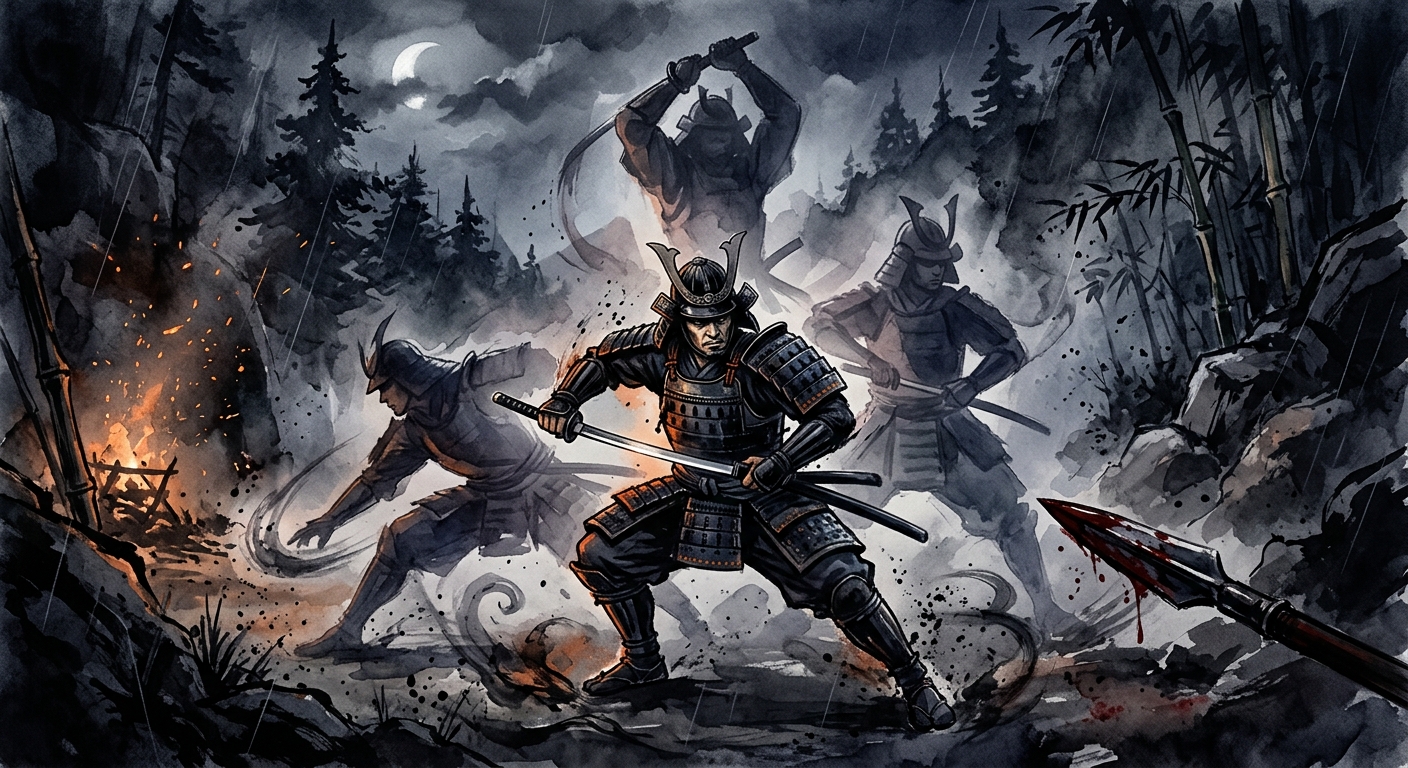
A Nioh 3 fight can change character before you have finished reacting to its first attack. You step in to test a guard, spend too much ki, and suddenly the space you meant to control belongs to the enemy. The game's combat asks you to notice that reversal early. Its most satisfying victories come from choosing how to spend a brief opening, then leaving yourself enough room to survive the answer.
The hardest skill to learn is not a longer combo. It is recognizing the moment when your turn is over.
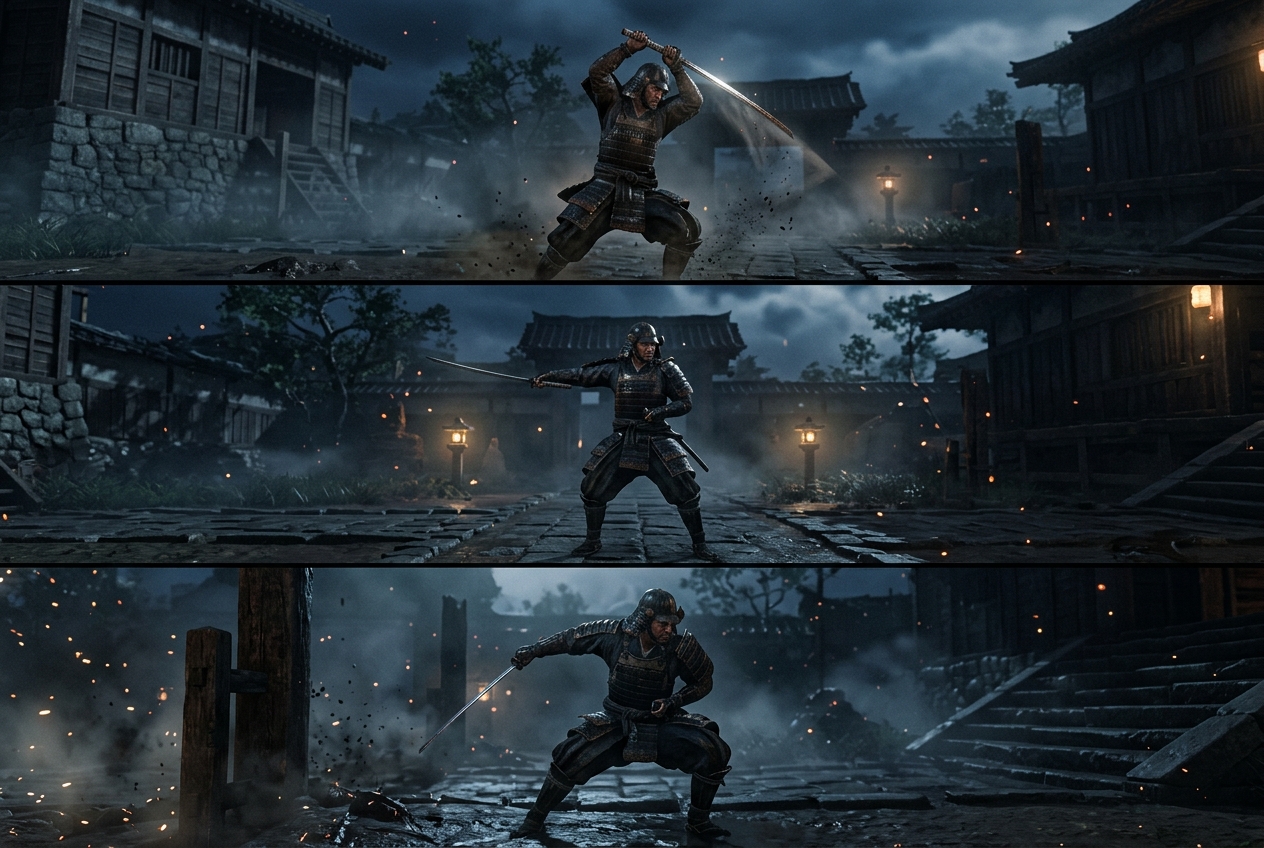
Three stances, three kinds of commitment
Samurai style carries the familiar high, mid, and low stances, but knowing their names does little for you once an opponent starts moving. High stance offers force at the cost of time and ki. Low stance makes it easier to reposition and land quick attacks. Mid stance gives you a steadier way to meet pressure. Each choice changes what you can do next, which matters more than the damage of any single blow.
That makes stance selection a question about the enemy in front of you. A heavy swing may be worth taking against a foe that has just missed. The same swing becomes a liability when a boss can recover and strike before you do. Nioh 3 rewards the player who changes stance because the situation changed, rather than the player who cycles through stances to complete a rehearsed sequence.
There is pleasure in getting that judgment right. You dodge a wide attack in low stance, find a narrow gap, and switch to deliver one decisive hit. Then you stop. The restraint can feel awkward at first, particularly if the enemy still has health to lose. It is also where the combat begins to feel deliberate rather than reactive.
Ki Pulse makes recovery an action
Ki governs how long you can attack, defend, and evade. Spending it is easy to understand. Recovering it under pressure is the real lesson. After an attack sequence, a well-timed Ki Pulse returns some of what you spent. Against Yokai, it can also clear the dangerous Yokai Realm they leave on the ground. The mechanic gives the pause after a combo a job: you watch your own recovery while keeping an eye on the enemy.
That divided attention is difficult because the pulse arrives at precisely the moment you may want to flee. Press too soon and you recover less. Wait too long while an opponent closes in and the extra ki may not help you. The strongest encounters force you to judge when a clean pulse is available and when survival calls for an untidy retreat instead.
Enemy ki deserves the same attention as enemy health. Breaking it can create an opening far more valuable than another cautious chip of damage. This changes the shape of an attack. You may press forward to exhaust a guard, then pull back rather than spend your entire gauge chasing the reward. Nioh 3 asks you to manage two reserves at once, and to remember that an opening is useful only if you have the ki left to exploit it.
Samurai and Ninja change your sense of distance
The choice between Samurai and Ninja styles adds another layer to that timing. Samurai rewards command of stance, guard, and Ki Pulse. Ninja favors mobility, evasive movement, and ninjutsu. Switching styles does more than change your available moves. It changes how close you are willing to stand when you do not yet know what an enemy will do next.
Style Shift can also answer certain dangerous attacks, turning a defensive read into a chance to take control. That sounds like a simple instruction until the warning arrives amid visual effects, enemy movement, and a nearly empty ki gauge. You still have to recognize the attack and commit at the right moment. Guessing is especially costly against bosses that delay a strike just long enough to draw out an early response.
Ninja's evasive tools offer relief from Samurai's heavier commitments, though speed can encourage its own bad habits. A quick escape can put you at a useful angle, or it can carry you straight into the next attack. The two styles work best when you understand the distance each one wants. Mastery means knowing why you are switching, not merely remembering that the option exists.
Weapons reward focus before variety
Weapons add depth through different reach, attack rhythms, and skill choices. A spear can make a patch of ground feel manageable that a shorter weapon turns into a liability. A heavy blade may punish an opening cleanly but leave you waiting through a recovery you failed to account for. Loot invites experimentation, yet a new piece of gear does not teach you when to stop swinging it.
For that reason, it helps to learn one weapon well enough to recognize its safe ending points before chasing every promising drop. Try a second when you can explain what problem it solves: perhaps you need reach, or a faster answer after a dodge. Skill trees and equipment choices become more meaningful once they support a habit you have tested in actual fights. Otherwise, another move is simply another temptation to spend ki you needed for the next second.
Nioh 3 holds a Metacritic score of 86 based on over 100 critic reviews, and the consensus across those reviews points to combat as the game's clearest strength. Worth Playing called it a new high bar for the series. That reputation rests on systems that punish impatience more consistently than they punish aggression, which is a meaningful distinction once you have spent a few hours learning where the line sits.
The fight after the mistake
Nioh 3's combat is demanding because its systems meet at inconvenient moments. A stance change, a Ki Pulse, a style switch, and an enemy's next attack may all compete for your attention within a few heartbeats. Learning them separately is only the beginning. The deeper skill is recovering when one decision arrived late without letting that error dictate the rest of the fight.
That is where this combat earns its intensity. A missed pulse does not require a desperate attack to compensate. You can give ground, watch the opponent spend its own momentum, and return with a better choice. The game asks you to make that small act of judgment again and again, even when the boss has only a sliver of health remaining and the temptation to press is almost impossible to resist.
Getting comfortable with the space between attacks, the deliberate pause rather than the reflex swing, is what separates a sequence of near-deaths from a fight you understood. Nioh 3 released February 6, 2026, and its combat has already drawn comparisons to the best entries in the genre. The reason is not the number of systems on offer. It is how consistently those systems punish the wrong answer and reward the patient one.
Sources

Eliot Reed writes about the intricacies of virtual worlds, blending analysis with storytelling. As a house writer for GoAndGame, he delves deep into game mechanics and narratives, offering thought-provoking insights for players and developers alike.


