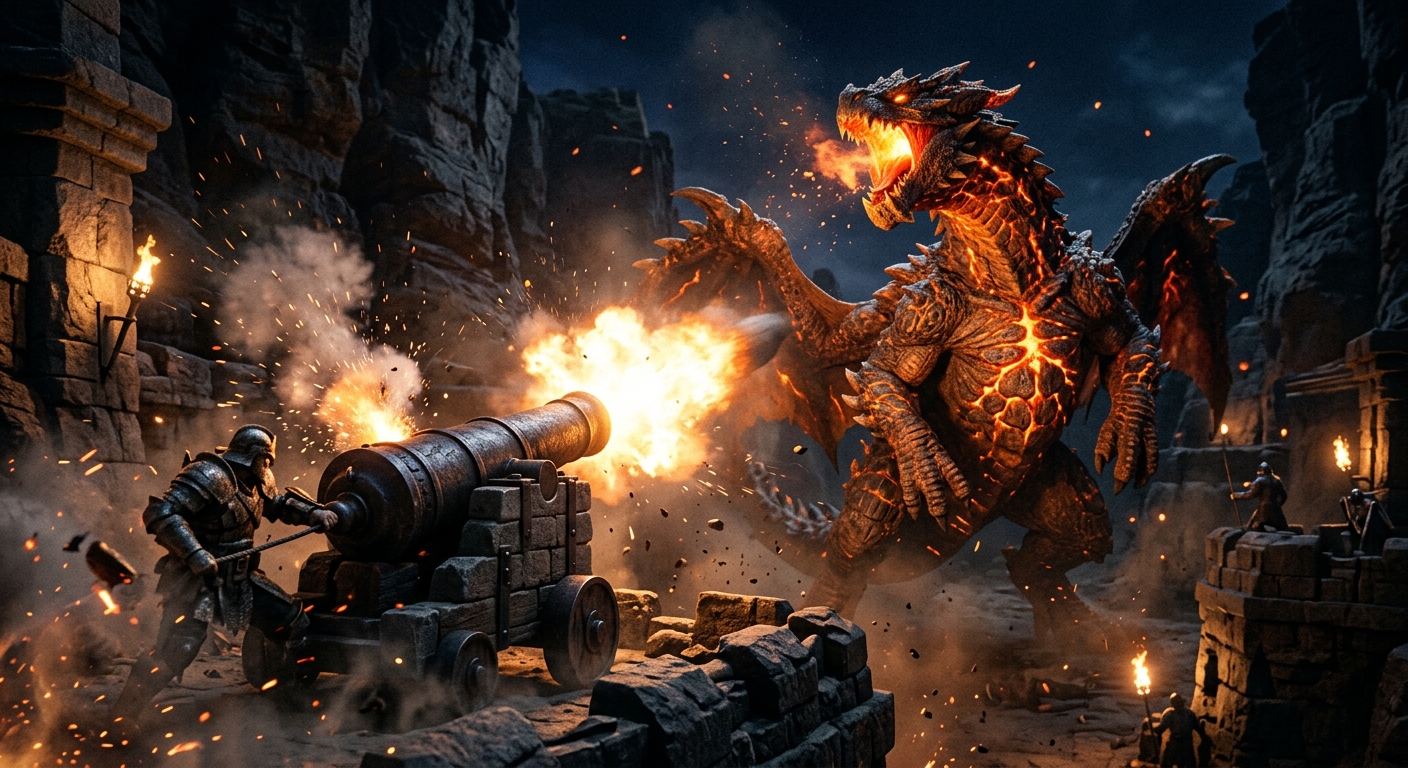
Capcom just handed siege weapons a reason to exist. For years, the cannons and ballistae scattered across Monster Hunter Wilds hunting grounds sat there like props, fun to climb into once for a screenshot, useless the moment a real fight started. The latest title update changes that math completely, and if you have been skipping those turret prompts out of habit, it is time to break that habit.
What Changed in the Siege Weapon Overhaul
The patch notes for this update are blunt about the scope of the rebalance. Damage output, reload speed, and ammo capacity on siege weapons all got touched, and the intent is clear: cannons and ballistae are supposed to be a real damage source now, not a situational gimmick you use once per hunt because a quest objective forces your hand. That is a meaningful shift in how Capcom wants players to think about fixed emplacements.
The more interesting change, though, is in the hitbox windows. Turret-mounted weapons now have revised timing on when a shot actually connects relative to a monster's tell, which means mashing the fire button is no longer a winning strategy. You have to watch for the wind-up, the stagger, the half-second before a monster commits to its next move. Capcom also quietly fixed a clipping bug where projectiles would phase straight through terrain during large-scale encounters, which had been quietly undermining siege reliability in bigger siege-style quests for a while. None of these changes are flashy on their own, but together they turn siege weapons into something you plan around instead of stumble into.
Two Looks: Comparing Pre-Patch and Post-Patch Siege Loadouts
Before the update, most hunters treated a siege weapon the way you treat a fire extinguisher behind glass. You climbed on only when a quest forced it, fired a shot or two, and then sat through a painfully slow reload animation while fully exposed. Monsters do not wait politely for your cannon to cycle, and that reload window was long enough to eat a tail swipe or a charge attack almost every time. Handheld weapon trees simply offered better uptime and better survivability, so siege setups got quietly ignored outside of scripted siege quests.
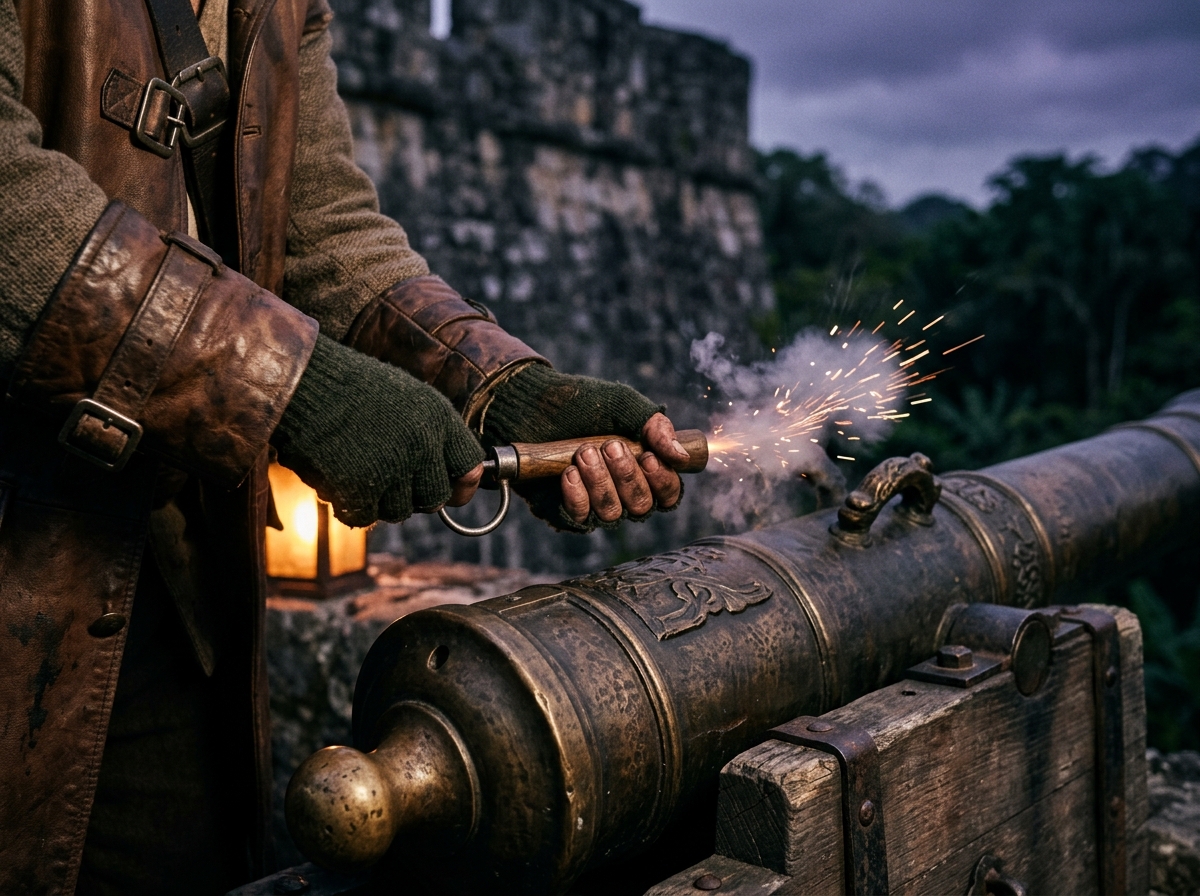
Side-by-side testing against that old baseline makes the difference obvious almost immediately. The animations look similar at a glance, but the recovery timing underneath them has been tightened in a way that changes the whole rhythm of a fight.
After the patch, the same turret setups feature a noticeably tighter reload loop paired with improved stagger thresholds. That combination lets you chain shots during a monster's recovery window instead of waiting out a full, vulnerable cooldown every single time. Burst damage per clip on the ballista in particular jumped enough that it changes the opening of a hunt. Instead of charging in with melee first and treating the cannon as backup, a lot of players are now opening hunts with a siege volley to soften a target before transitioning into their usual combos.
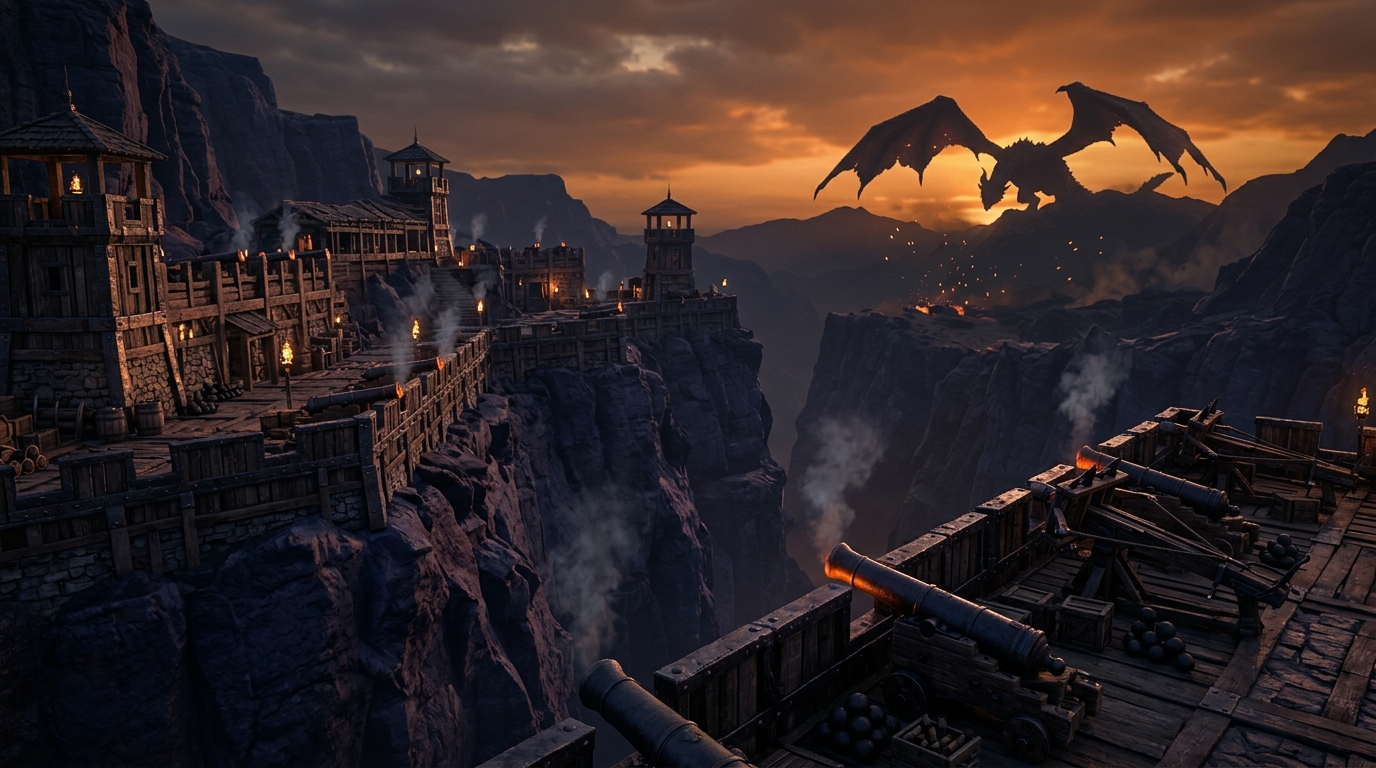
Put those two loadouts next to each other and the overhaul stops looking like a tweak. It is a repositioning of siege weapons from afterthought to opening move, and it asks you to relearn a tool you probably wrote off months ago.
New Content Synergies from Title Update 4
The timing of this rebalance is not an accident. Title Update 4 brings Gogmazios into the game alongside new Gogma Artian Weapons, and the siege mechanics were clearly tuned with this monster in mind. Gogmazios fights at a scale that rewards fixed emplacements, and turret placement becomes a genuine survival consideration during its signature large-scale assaults rather than an optional flourish.
Armor Transcendence, also introduced in this update, pairs naturally with siege-focused builds. The new defensive stat thresholds let hunters stand their ground at a cannon a little longer without eating a one-shot punish, which matters a lot when the whole point of siege weapons is staying put long enough to land a full volley. The Advanced Optional Quests built around Gogmazios lean into this too, funneling hunters toward fixed emplacement points during key phases of the fight, almost as if the quest design itself is teaching you the new siege rhythm whether you intended to learn it or not.
Practical Tips for Mastering the Overhaul
Start with reload cancel timing. Shaving even half a second off your recovery can be the difference between a clean follow-up shot and eating a counterattack you should have seen coming. It takes a few hunts to internalize, but once it clicks, the whole loop feels faster and far less punishing.
- In multiplayer hunts, rotate siege weapon duty with your group instead of leaving one person glued to the cannon for the whole fight.
- Let one hunter maintain suppressive fire while teammates capitalize on the openings created by fresh stagger damage.
- Test the rebalanced ammo types, since certain elemental rounds now line up with Gogmazios' weak points in ways that simply did not work before this patch.
None of this requires abandoning your main weapon tree. It just means the turret in the corner of the map is worth a second look again, and for the first time in a long time, it earns that look.
Sources

Mara Solis is a staff writer at GoAndGame covering board games, tabletop strategy, and the culture around competitive play. She has spent years logging hours at game tables from local hobby shops to international conventions. Her writing blends practical insight with a genuine enthusiasm for the communities games create.


