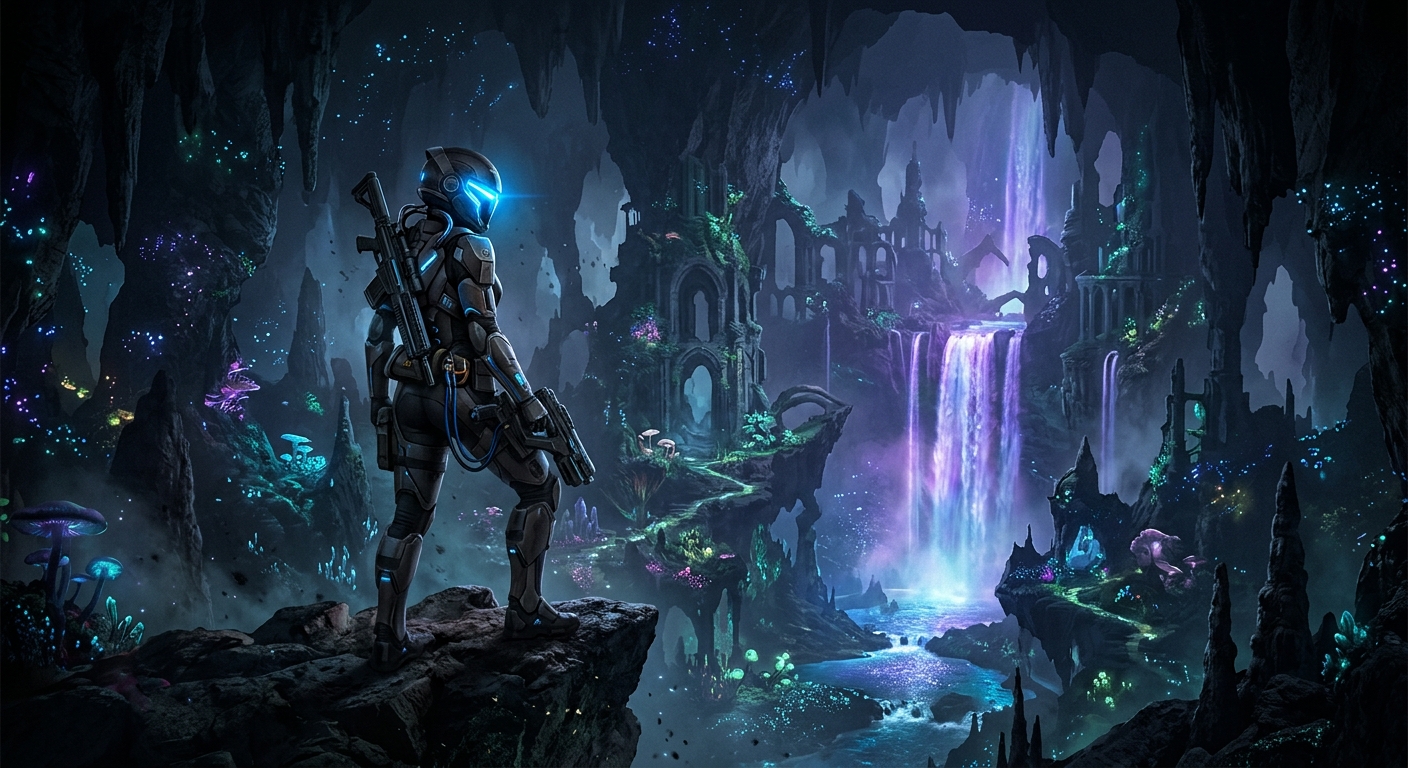
Nintendo announced Metroid Prime 4 in 2017 with a logo and almost nothing else. Two years later, the company did something almost unheard of in the industry: it admitted publicly that the project was not working, scrapped the existing build, and handed the whole thing to Retro Studios, the Texas team that made the original trilogy. That decision bought Retro years of additional development time and handed them an enormous amount of pressure. The game they delivered, Metroid Prime 4: Beyond, is now in players' hands on Nintendo Switch 2, and the critical response answers the only question that really mattered: was it worth doing over?
A Development Saga Finally Resolved
The 2019 reset announcement landed differently than typical bad news from a publisher. Nintendo essentially told its most devoted fans that it cared enough about Metroid to blow up years of work rather than ship something mediocre. That framing set an unusually high bar. Every subsequent rumor, every blurry screenshot, every convention no-show got measured against the implicit promise that Retro would deliver something worthy of the sacrifice.
Retro's reputation rested on three games that many players still consider among the best first-person adventures ever released. The GameCube original, in particular, remains a benchmark for how to build atmosphere through environmental storytelling rather than cutscenes. Walking back into that legacy after years away, with a full public reset on the record, is the kind of challenge that either produces something great or something quietly forgotten. Game Informer's verdict lands squarely in the first category, calling the finished product "worth the wait" in their headline, which, given the specific history here, is not a throwaway phrase.
What Retro Studios Built Inside the World of Beyond
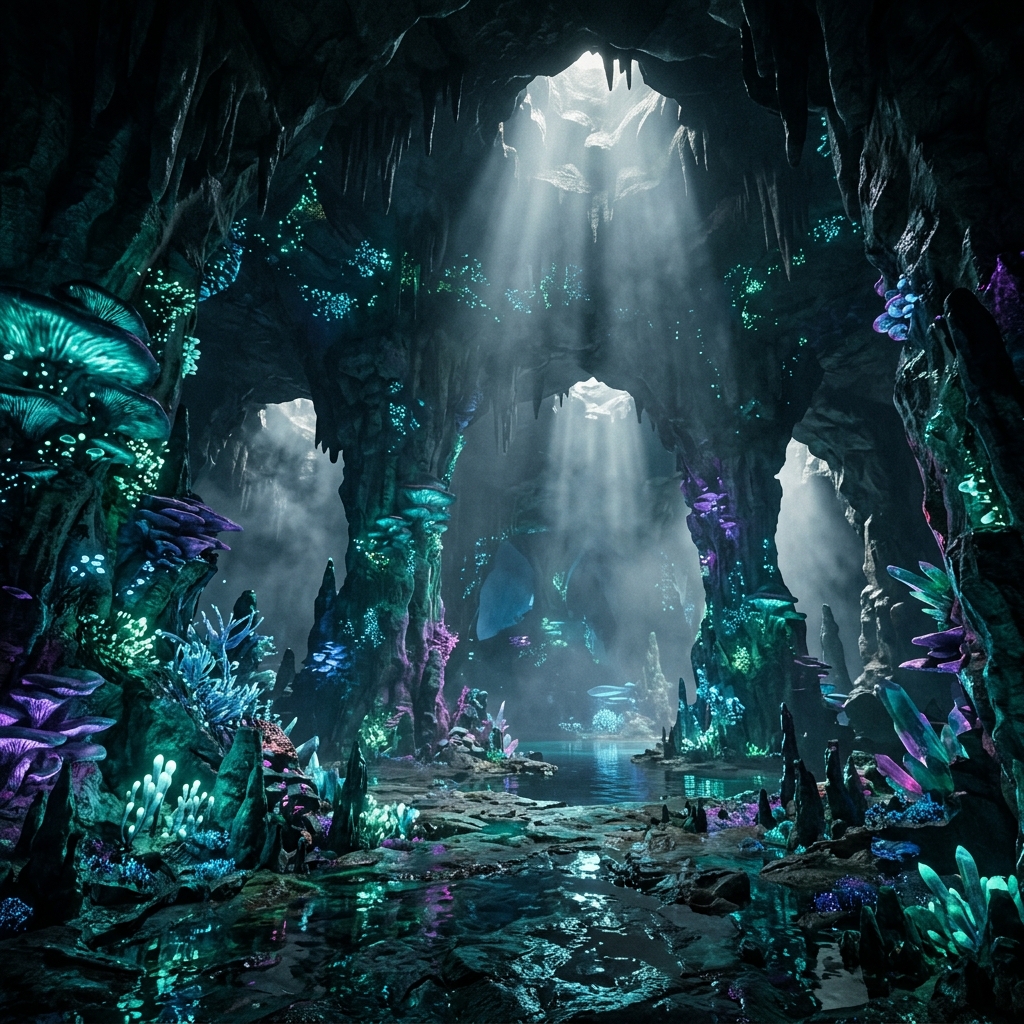
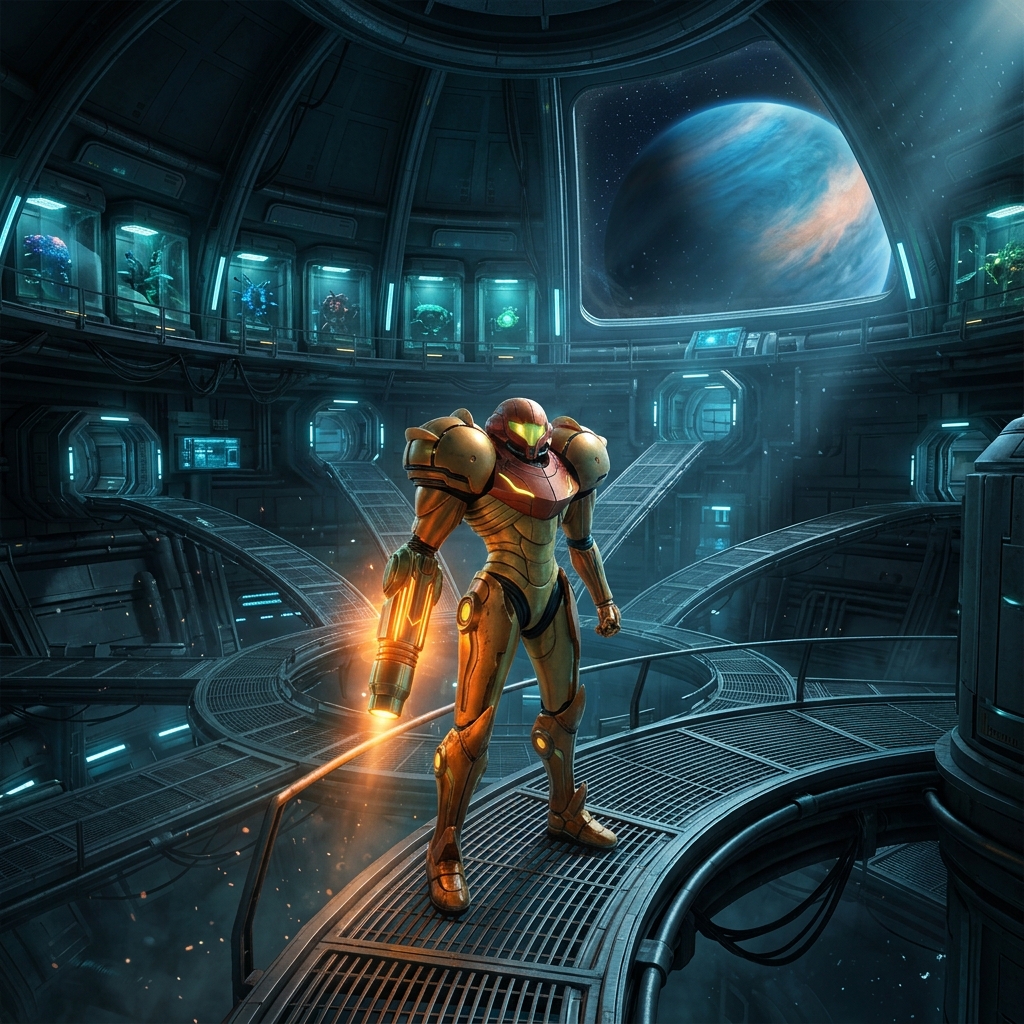
The setting is a new alien world built from layered biomes: industrial ruin at the outer edges, bioluminescent caverns in the mid-sections, and orbital research stations floating above it all. The structure connecting them is the same nonlinear map logic the series has always used, where a door you noticed two hours ago becomes a path forward once you find the right tool. That loop is intact, and Retro has added traversal options that make the backtracking feel like discovery rather than chore.
Samus's combat and movement toolkit is noticeably expanded. The weapon upgrade system follows the cadence players remember from the GameCube original, where each new ability shifts how you read the environment around you. A room that seemed like a dead end becomes a shortcut. A creature you avoided becomes manageable. That feeling of expanding competence is one of the things Retro did best in the original trilogy, and early reviews confirm it carries through here.
Visually, Switch 2 hardware gives the team room they clearly needed. Lighting in the bioluminescent cavern sections draws particular attention in reviews, and the particle work during combat is a noticeable step up from anything the Switch 1 generation could sustain. It looks like a game that was designed for this hardware from the ground up, not ported or scaled down.
Critical Reception and Where It Lands in the Canon
Metacritic aggregation places Beyond among the highest-rated titles in the Switch 2 launch window. The praise is consistent across outlets on two specific points: the game preserves what made Prime atmospherically distinctive, and it modernizes the systems that had started to feel dated by the third entry in the original trilogy.
Game Informer's review makes a particular observation worth holding onto. The reviewer notes how difficult it is, in the current design climate, to make isolation feel genuinely oppressive. Players trained by a decade of open-world games with dense waypoint systems have to relearn how to sit with uncertainty. Retro makes that relearning feel intentional rather than punishing. The game trusts you to figure things out, and it does not apologize for that trust.
Some critics flag a real onboarding gap for players who have not spent time with the earlier Prime games. The methodical pacing and self-directed exploration that define the series are not explained so much as assumed. That is a fair warning, not a flaw exactly, but it positions the game as one that rewards a certain kind of attention that mainstream action-adventure titles rarely ask for.
Where does it land in the canon? Most reviewers are willing to say it stakes its own claim rather than simply honoring a legacy. That is a meaningful distinction. A game that merely satisfied a franchise obligation would have been a fine outcome given the circumstances. What landed, according to the critical consensus, is something more.
Why This Moment Matters for Nintendo and Its Fans
Metroid has always occupied a strange position in Nintendo's lineup. Critics love it. A core audience is deeply devoted to it. It reliably undersells compared to Mario or Zelda, which made the decision to restart Prime 4 from scratch a real business risk, not just a creative one. Metroid Dread's commercial performance in 2021 changed some of that calculus. It showed the franchise could reach a wider audience when Nintendo positioned it as a prestige release and backed it with clear marketing signals.
Beyond benefits from that groundwork. The strong review launch gives Nintendo a quality anchor for Switch 2's early catalog, and it validates the bet that Retro was the right studio to carry the project across the finish line. For the fans who watched the 2017 teaser trailer obsessively and then processed the 2019 collapse in real time, the emotional weight of a genuinely great game arriving at the end of all that is not really captured by a Metacritic number. It is just relief, and satisfaction, and the specific pleasure of being proven right about something you cared about for a very long time.
For anyone who enjoys the focused tension of skill-based progression in any form, from spatial puzzles to resource management, the design logic Retro applies here has parallels in games built around careful attention and deliberate movement. Players who have enjoyed arcade experiences like Segment Storm or the layered challenge structure in Star Dive will recognize the same satisfaction loop: learn the system, apply the knowledge, push forward. The genre is different, but the reward mechanism rhymes.
The question of what Retro builds next, whether another chapter in the Prime series or something entirely new, now carries the kind of genuine anticipation that only a team with a proven recent record can generate. They earned that anticipation the hard way.
The Takeaway
Sources

Mara Solis is a staff writer at GoAndGame covering board games, tabletop strategy, and the culture around competitive play. She has spent years logging hours at game tables from local hobby shops to international conventions. Her writing blends practical insight with a genuine enthusiasm for the communities games create.


