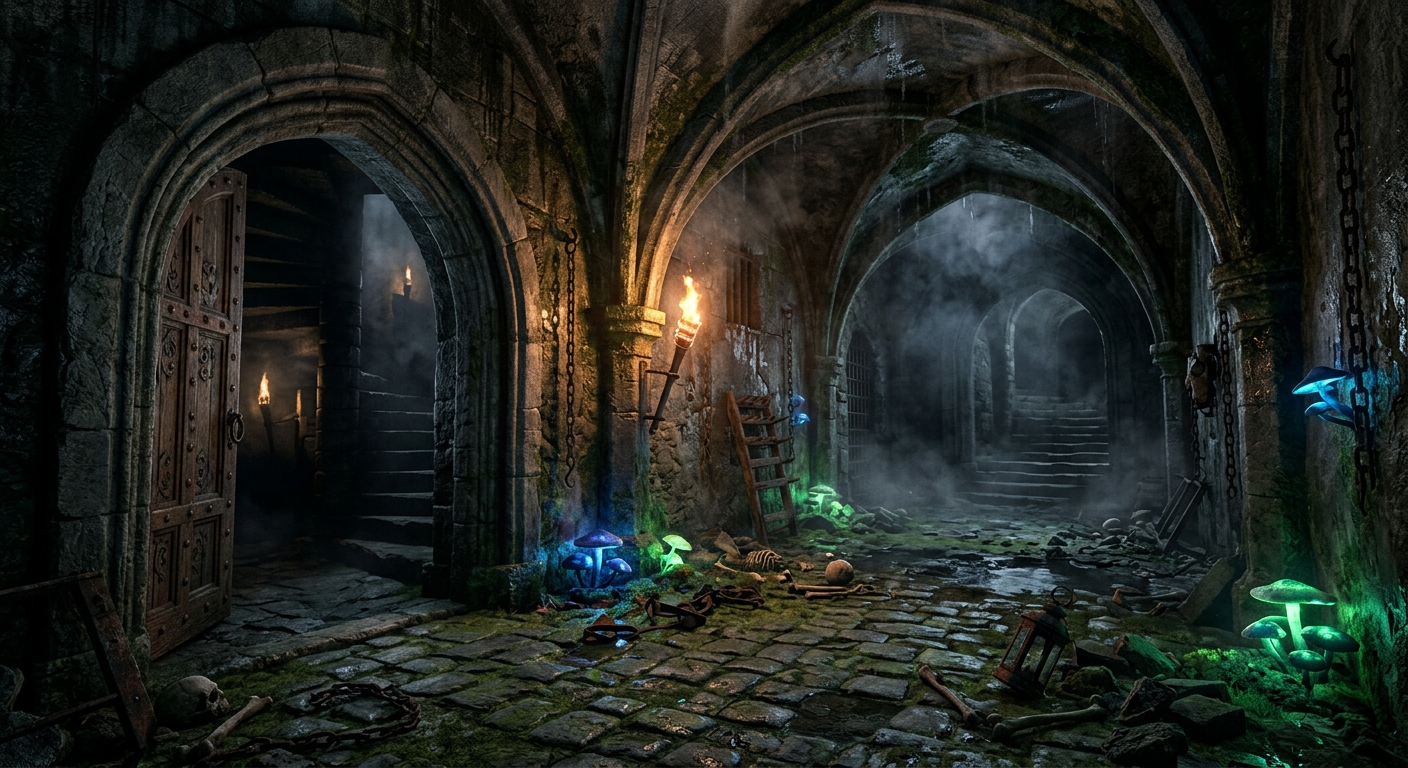
The sprawling corridors of Baldur's Gate 3 offer more than a platform for your adventuring party. They are intricate puzzles that reward observation and deliberate planning. Each dungeon hides dangers and tactical opportunities in equal measure, and the players who survive longest are the ones who stop treating combat as the only tool available to them.
Reading the Dungeon Before You Enter It
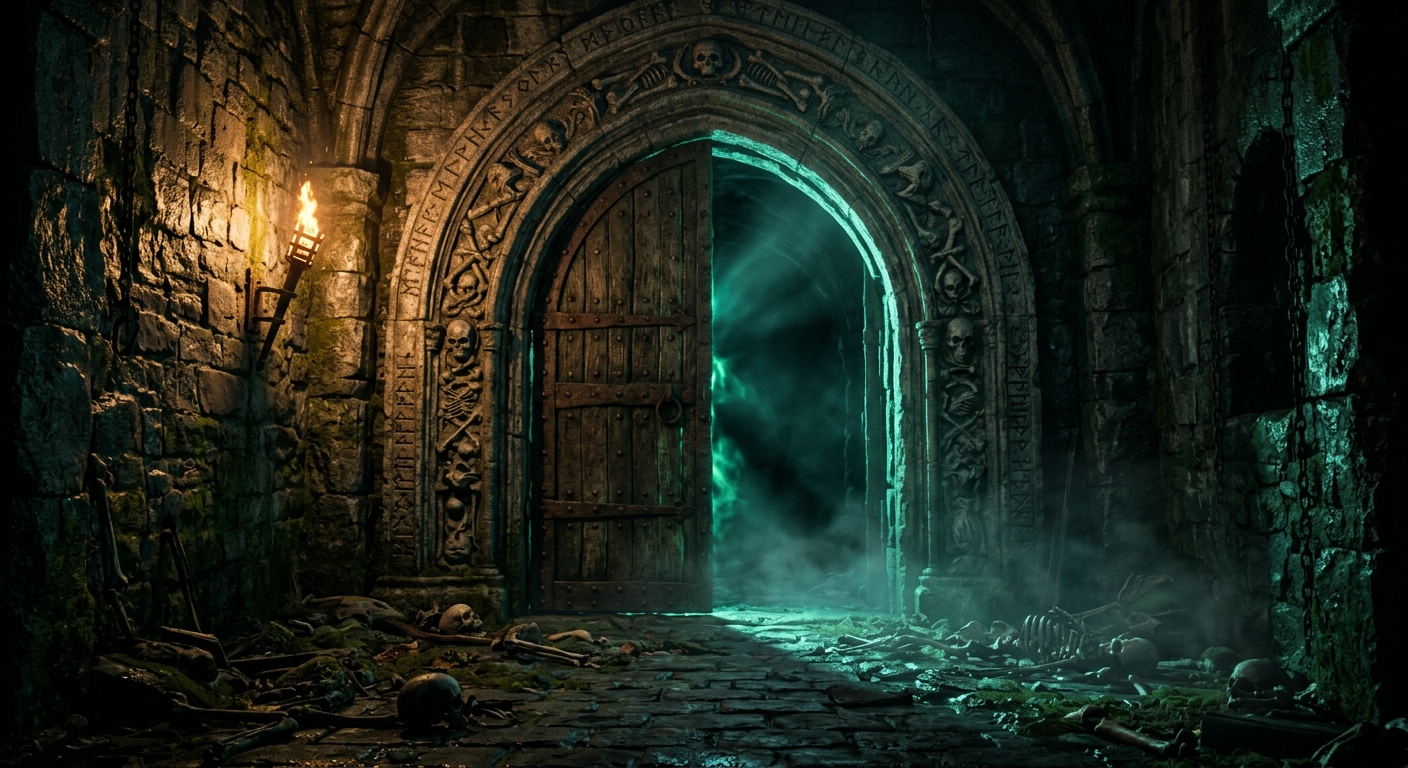
Environments in Baldur's Gate 3 telegraph their threats through small details. Scattered bones near a doorway are a warning. Unusual silence in a corridor that should echo means something is waiting. GamesRadar+ notes that the Dank Crypt, one of the earliest optional dungeons, works as a tutorial in exactly this language: specific doors, when opened carelessly, trigger rooms full of undead that can overwhelm an unprepared party fast.
The practical habit to build is scouting before committing. Send a character with high Perception ahead in stealth rather than walking the whole party into a chokepoint blind. Spells like Enhanced Leap let you reach elevated catwalks or balconies that offer a full view of a room before anyone below knows you are there. A few seconds of reconnaissance can reframe an encounter entirely, turning an ambush you would have walked into into one you set yourself.
Traps deserve the same attention. Highlighted objects glow faintly when you hold the interact key, and a character trained in Perception or Investigation will call them out automatically on a successful passive check. Disarming a pressure plate before your Fighter walks over it is not caution for its own sake. It is action economy. Every turn you do not spend reviving someone is a turn spent winning.
The Tactical Grid: Height, Cover, and Action Economy
Baldur's Gate 3 translates the Dungeons and Dragons 5th edition ruleset into a three-dimensional grid, and elevation is the most underused resource in that grid. A character standing on higher ground gains advantage on attack rolls against targets below, which in practice means rolling twice and taking the better result. That single modifier shifts hit probability enough to change the math on entire encounters. Whenever a room has a ledge, a staircase, or a collapsed pillar worth climbing, claim it before the fight starts.
Cover works on a similar principle. A half-cover object, like a crate or a low wall, grants plus two to Armor Class and Dexterity saving throws. Full cover blocks line of sight entirely. Repositioning a glass-cannon Wizard behind a pillar between turns is not cowardly play. It keeps that character alive to cast next round.
Action economy ties all of this together. Each turn gives you an Action, a Bonus Action, and a Reaction, and the difference between good players and great ones is often how deliberately they spend each. Save your Reaction for Shield or Counterspell when they matter most. Use Bonus Actions for Healing Word on a downed ally rather than a cantrip you could have cast as your Action. Hoarding the right resource for one critical moment beats spending everything every turn.
Party Composition and Role Synergies in Enclosed Spaces
Narrow dungeon corridors change what party compositions work well. A formation that thrives in open fields can collapse when enemies pour through a single doorway and crowd out your backline. In tight spaces, control spells matter more than raw damage output. A Cleric casting Spirit Guardians and then holding a chokepoint forces every enemy that advances to take radiant damage just for moving, which stacks quickly over several rounds.
The Fextralife BG3 wiki documents how certain ability combinations create feedback loops that players often discover by accident rather than design. A Paladin with the Shove action can push enemies into a Cleric's Spirit Guardians aura repeatedly, dealing guaranteed damage without burning spell slots. A Rogue-Ranger multiclass pairing combines Sneak Attack and Hunter's Mark for consistent high single-target damage while keeping the character mobile enough to stay out of melee range.
The broader point is that enclosed spaces reward parties built around control and positioning more than parties built around volume fire. One crowd-control specialist, whether that is a Wizard with Web or a Druid with Entangle, can hold a corridor long enough for the rest of your party to eliminate targets one at a time rather than fighting a melee pile-up.
Environmental Interaction as a Combat Multiplier
Few RPGs give players this many levers to pull during a fight. Surfaces created by spells interact with other surfaces, and the Gamepressure.com BG3 guide covers several of these combinations in detail. Create Water extinguishes fire surfaces and also makes enemies Wet, which makes them vulnerable to Cold and Lightning damage. Web creates a difficult terrain zone that restrains enemies who fail their saves. Grease makes a floor slippery enough to knock enemies prone. None of these require high-level spell slots. They are available early and they compound with whatever your martial characters are already doing.
The Shove action is the simplest version of this principle. One Bonus Action can send an enemy off a ledge entirely, removing them from combat without a single damage roll. In dungeon environments with broken floors, chasms, or elevated platforms, every fight has potential for that kind of outcome. Keeping a character with high Athletics near the edge of a drop costs nothing to plan for and occasionally ends an encounter in one action.
Dipping weapons in surfaces is another underused option. A weapon dipped in a fire surface gains a temporary fire damage bonus on the next attack, and the action costs nothing but positioning. Combined with a flammable grease surface your party set up before the fight, the same battlefield hazard does double work: it slows enemies and it charges your weapons.
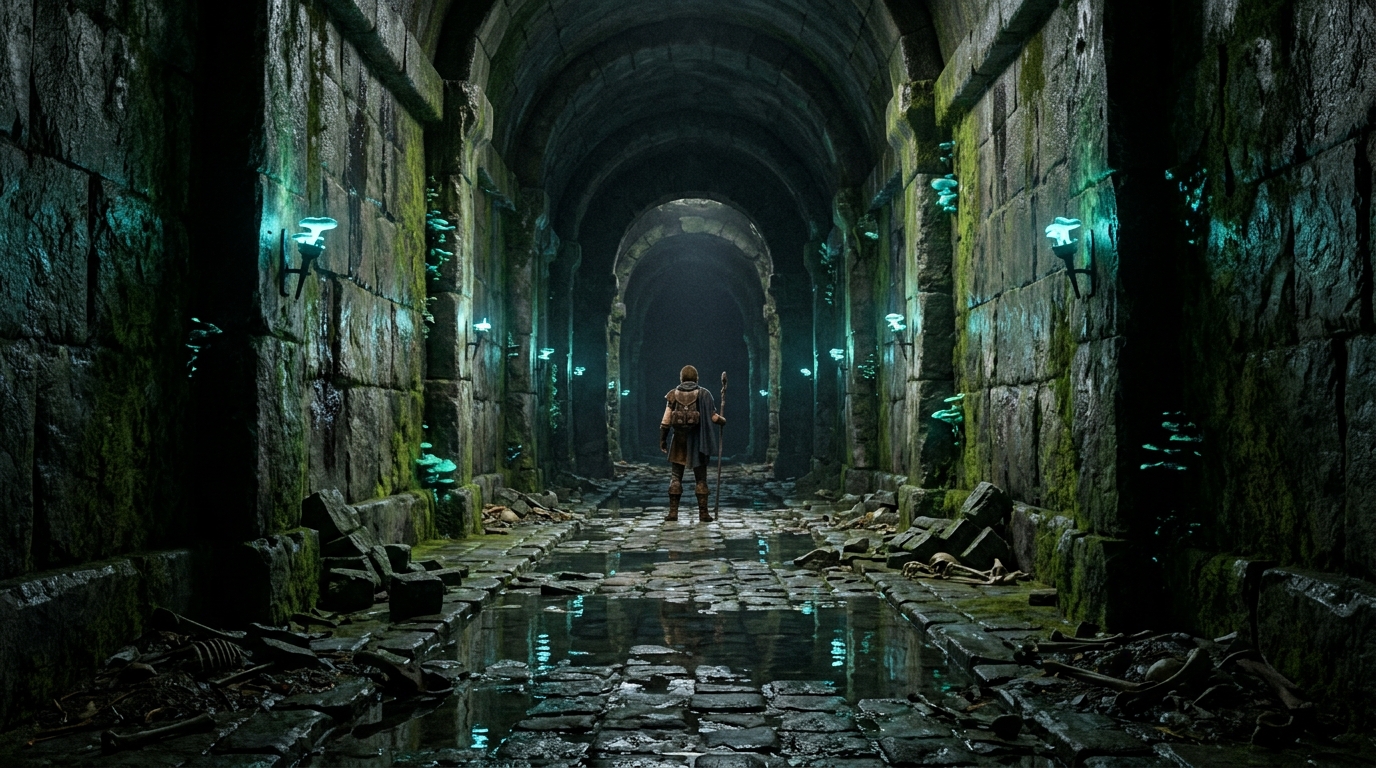
The dungeons of Baldur's Gate 3 are not obstacle courses. They are argument structures. Every room makes a case for how it wants you to play, and the most satisfying victories come from rejecting that premise, using the ceiling to your advantage, the floor as a weapon, and the doorway as a kill zone you designed three turns before the enemy walked through it.
Sources

Alexandra Rivet explores the intricate interplay of games and culture for GoAndGame. A passionate storyteller, she delves into narratives with depth and curiosity. Her pieces often highlight the stories behind the pixels.


