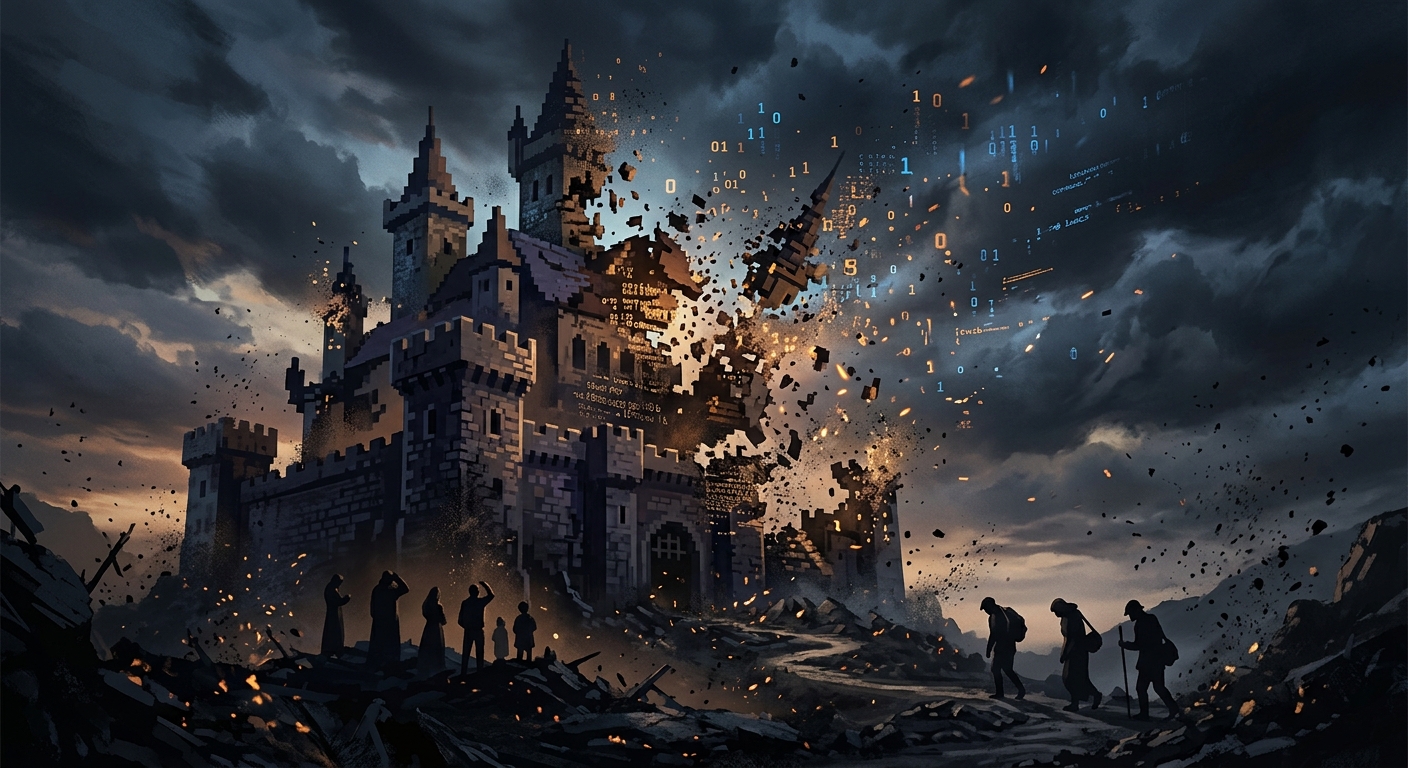
The gaming industry faces a stark reckoning. Independent game studios, once vibrant hubs of innovation and unique vision, are dissolving at an alarming rate. This seismic shift is not merely an economic correction. It represents a profound cultural erosion, impacting the developers who poured their lives into these worlds and the players who cherished them. The current instability challenges the very structure of creative development, forcing a re-evaluation of how games are made and sustained.
A Pattern of Shutdowns Accelerates
The news cycle increasingly reports the demise of independent and mid-sized game developers. These are not isolated incidents but a pattern of cascading instability. Studios once celebrated for their distinct visions now close their doors with grim regularity. Boss Fight Entertainment, known for titles like Dungeon Boss, met this fate despite a track record of engaging mobile strategy games. Piranha Bytes, a developer with a devoted RPG fanbase spanning decades and multiple completed projects, also ceased operations. These closures reveal a brutal truth: even established teams with completed, beloved projects face existential threats. Industry analysts point to several compounding factors. Post-pandemic market corrections have cooled previous growth projections. Publishers tighten budgets, seeking safer bets. Simultaneously, development costs continue their relentless ascent, making financial viability precarious. Without substantial corporate backing, survival becomes a precarious act, forcing smaller creative ventures to crumble under an unforgiving economic strain.
The Human Cost Behind the Headlines
Studio closure extends beyond financial balance sheets. It carries a profound human cost, impacting the individuals who animate the industry. Developers lose not just employment, but their creative moorings. Many small teams form around a singular vision, a shared artistic identity that defines their collective work. This identity dissolves with the studio. The process of closure often lacks transparency, further exacerbating the personal toll. Employees sometimes learn of their studio's end through public announcements, not internal communication. This abruptness erodes trust in corporate stewardship and questions the industry's commitment to its most valuable asset: its talent. Layoffs force difficult choices. Relocation is expensive. Non-compete clauses often restrict future employment. The remaining industry jobs often cluster in a handful of costly cities. This environment pushes skilled developers out of gaming entirely. Such a talent drain impoverishes the entire sector for years to come, stifling future innovation and diverse perspectives.
Unfinished Projects and Orphaned Communities
The collateral damage extends to the games themselves. In-development titles are frequently cancelled outright. Projects nurtured for years, followed by eager communities, vanish without a trace or explanation. This leaves player communities, often deeply invested emotionally and sometimes financially, without resolution. Early access models and crowdfunding campaigns complicate matters further. Players fund a vision, often before it is complete. When a studio dissolves, these players find themselves in a legal and practical void. Questions arise about consumer protections in an era of pre-release monetization and digital ownership. The issue stretches further into historical context. Preservation advocates sound alarms. Source code, digital assets, and server infrastructure often disappear permanently when a studio closes. Games that defined niche but passionate communities become unplayable. They turn into digital ghosts, inaccessible relics within a few short years. This cultural loss is immeasurable, erasing chapters of gaming history.
What Survival Looks Like Going Forward
Survival in this hostile climate demands radical adaptation. Some studios navigate the turbulence by diversifying their revenue streams. They aggressively port existing titles to new platforms. They explore retro-adjacent and arcade-style genres, seeking broader appeal beyond high-budget spectacles. Think of the enduring charm of a Dirt Pump or the focused replayability of a Segment Storm. This strategy reduces dependence on any single blockbuster success. Alternative organizational structures are also gaining traction. Worker cooperatives and profit-sharing models redistribute ownership and decision-making power. Proponents argue this aligns team interests directly with the company's long-term health, fostering a resilience that traditional hierarchical structures sometimes lack.
Pathways to Enduring Creativity


Publishing partnerships offer another viable avenue. Licensing arrangements with catalog-driven platforms provide crucial financial stability and wider distribution. A deliberate return to shorter-form games with lower production overhead also appears sensible. These projects represent a more cautious, yet sustainable, approach in a marketplace increasingly allergic to mid-budget gambles. The industry must challenge its foundational assumptions. It must embrace new models to protect its creative core and ensure a future rich with diverse voices and innovation. The alternative is a sterile landscape dominated by a few monolithic entities.

Julian Thorne is a seasoned house writer for GoAndGame, known for his deep dives into obscure game mechanics and industry trends. He often explores the sociological impact of gaming, blending critical analysis with historical context.


