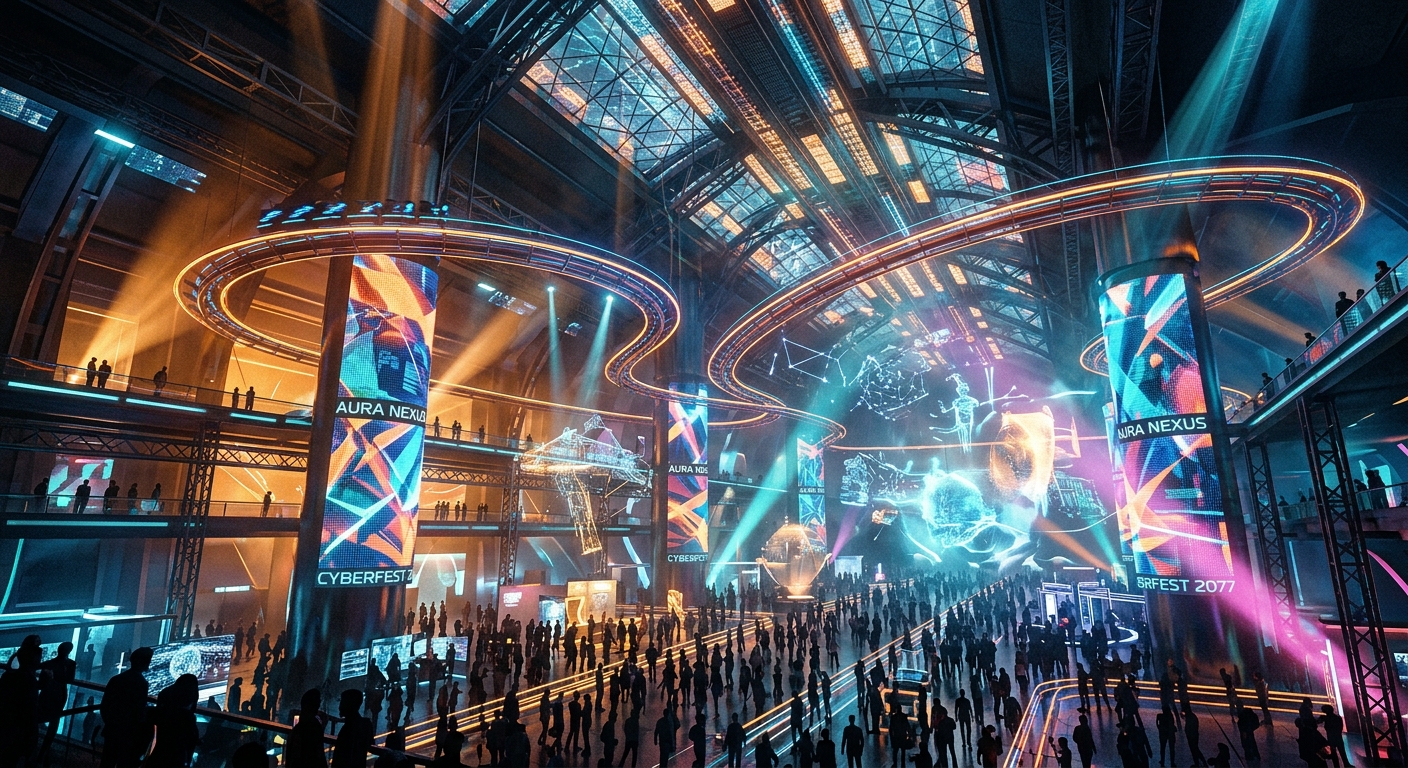
IAAPA Expo 2025 descended upon Orlando as more than just a trade show. It was a declaration. Under one expansive roof, manufacturers, park operators, technology vendors, and experience designers convened to showcase an industry no longer merely recovering from disruption. It is accelerating, pushing capital into concepts that defy prior logistical or financial constraints. The central theme, innovation through storytelling, permeated every session, every demo, and every whispered conversation about the future of physical entertainment.
The Floor Opens: What IAAPA Expo 2025 Actually Was
This annual gathering functions as a multifaceted clearinghouse for ideas. It is a bustling trade floor, a rigorous conference, and a sprawling laboratory for the evolving demands of paying guests. Exhibitors competed not solely for purchase orders but for conceptual dominance in a rapidly shifting market. New product debuts, coupled with significant attendance figures, confirmed the industry’s post-pandemic narrative has closed. The focus is no longer on rebuilding infrastructure. It is now on engineering entirely new forms of engagement, experiences that would have seemed impossible just a few years ago.
Immersive Storytelling Takes Center Stage
Framestore’s significant presence at IAAPA Orlando 2025 highlighted a fundamental shift. The distinction between cinematic visual effects production and location-based entertainment design has eroded. Studios once tethered to film now pitch comprehensive, turnkey immersive worlds directly to park operators. The dominant discourse on the show floor was not about isolated thrills, but narrative coherence. Guests demand more than a compelling ride; they expect every queue, every prop, every subtle scent, and every staff interaction to advance a legible, emotionally resonant plot. This points to a future where “attraction” becomes an insufficient descriptor, yielding to “inhabited story.” Techniques from theatrical design, narrative branching from video games, and even adjacent escape room methodologies were evident across the demo experiences. These are not mere embellishments; they are the new foundation.
Technology as the Engine: AI, Haptics, and the Sensor Revolution
Artificial intelligence at IAAPA 2025 was not a speculative buzzword. It was an embedded infrastructural layer, quietly powering dozens of exhibited systems. AI enabled adaptive ride sequencing, dynamically adjusting pacing based on real-time crowd biometrics. It fueled real-time content generation, allowing a dark ride’s antagonist to deliver unique dialogue on every run. Haptic feedback systems and full-body sensory rigs consistently drew long lines. Professionals eager to test experiences where the body, rather than just the eyes, became the primary narrative receptor. This development carries significant implications for operators grappling with the rapid obsolescence of screen-based attractions. The sensor revolution also extended to operational contexts. Machine-vision systems demonstrated concurrent monitoring of guest posture, restraint integrity, and crowd flow. The same technological wave lifting the experiential ceiling also silently raises the safety floor.
Echoes of the Past: The Arcade Inheritance
Amidst the gleaming, hyper-modern spectacle of IAAPA 2025, a quieter, yet profound, current emerged. Scattered across the floor were products tracing a direct lineage to the arcade’s golden age. Competitive multiplayer cabinet experiences, ticket-redemption hybrids with layered skill mechanics, and reflex-driven shooting attractions resonated with classic vector-graphics design, recalling the enduring appeal of games like Dot Chomper or the spatial challenge of Segment Storm. This arcade inheritance is not mere nostalgia. Operators increasingly recognize that the core loop of a well-designed coin-op game, clear objective, immediate feedback, escalating challenge, social visibility, is precisely the engagement architecture that compels guests to return to a fixed physical location. It stands against the isolated screen-based entertainment of home environments. The synthesis of this old-school arcade sensibility with new-school immersive production value was perhaps IAAPA 2025’s most radical, if understated, proposal. The future of out-of-home entertainment might look less like a traditional theme park and more like a very expensive, very beautiful, very social evolution of the machines that first taught a generation what it meant to lose themselves in play, perhaps reminiscent of a communal GoAndZap arena.
Looking Forward: Stakes and Spectacle
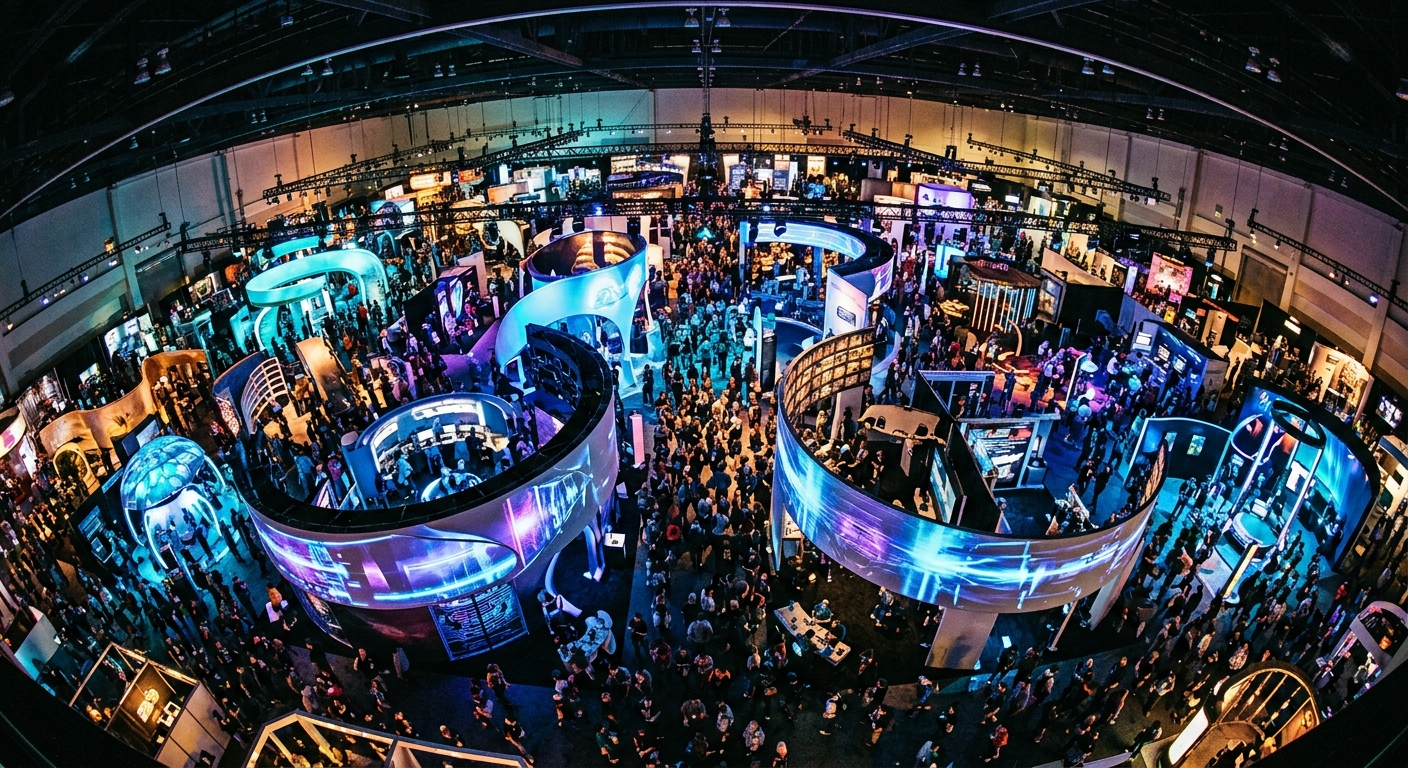

IAAPA 2025 made clear that the location-based entertainment industry is betting heavily on immersion. The stakes are immense, driving innovation at a feverish pace. The challenges that remain, however, are structural and philosophical. A visible fault line separated operators who foresee a future of permanent, place-specific mega-installations, often built around owned or exclusively licensed intellectual property. Others saw opportunity in modular, portable experience formats, redeployable across markets without the prohibitive capital burden of a fixed venue. The intellectual property question, specifically, overshadowed nearly every major announcement. Major entertainment conglomerates and independent designers alike grappled with a new reality: a compelling story world is now as valuable a competitive asset as the physical hardware delivering it, sometimes more so. Industry observers leaving Orlando largely agreed on one point. IAAPA 2025 had drawn a credible map for the trajectory of location-based entertainment. This future demands more story, more sensation, more data, and more personalization. It will be defined by an ever-more-urgent need to offer something that cannot be replicated by sitting alone in a room with a headset.
Sources

Julian Thorne is a seasoned house writer for GoAndGame, known for his deep dives into obscure game mechanics and industry trends. He often explores the sociological impact of gaming, blending critical analysis with historical context.


