The lobby timer in Deadlock's ranked queue counts down the same way it always has, but since Valve separated Standard and Ranked into distinct modes in 2026, the psychological weight behind those seconds has multiplied. Every hero selection, every hesitation, every panic-click carries direct consequences for Rank Points and MMR calibration. The ranked rush, that familiar scramble where five individuals all reach for their comfort picks at once and nobody covers support or flex roles, is no longer just an annoyance. It is a structural points leak that compounds across a season.
The Ranked Rush Is Real and It Starts Before the Match
Deadlock's 2026 separation of queue types changed the pressure dynamics of every lobby in a specific way: players arrive in ranked knowing that the pre-game draft phase is already on the record. There is no warm-up. Rank Points do not wait for lanes to load before they start caring about your decisions.
The rush itself is a coordination failure disguised as impatience. An individual player, anxious that a teammate will claim the one hero they practiced this week, locks in before reading the room. Multiply that anxiety by five and you get teams that field three carries, no wave clear, and a composition that falls apart the moment the enemy draft closes around a single dive character. The strategic concession happens in the draft. The scoreboard just confirms it later.
The mental shift required is straightforward but not easy: the draft phase is a compressed negotiation, not a first-come-first-served queue. Approaching it as the former changes every decision you make inside it.
How Hero Avoidance Tools Change Your Preparation Window
Valve's hero avoidance feature lets players flag specific heroes they would rather not face during matchmaking. PC Gamer noted the notable caveat: newly released heroes cannot be avoided, which means any patch that drops a fresh addition to the roster creates a window where your draft phase needs built-in flexibility rather than hard counters you have not yet figured out.
Most players treat the avoidance list purely as a defensive measure, a way to dodge a matchup that has been hurting them. That is a narrow reading. Think about it analytically. The heroes you choose not to avoid tell you something about your own champion pool. If you are comfortable facing nearly every hero except two or three, those exceptions are pointing directly at gaps in your current lineup. Use that information before you queue, not after you lose.
During any patch window with a new hero, lean into generalist picks that answer multiple threat types. The community counterplay knowledge simply is not there yet for fresh additions, and assuming you can draft a hard answer to something you have seen three times is exactly the kind of overconfidence that hands opponents a free win.
Draft Sequencing Strategies That Neutralize the Rush
The single most effective antidote to a panicked ranked rush is role assignment before anyone touches the hero grid. Deadlock's party voice handles this for pre-made groups. Discord works. Even a fast text message in lobby chat works. Teams that verbally commit to roles before the countdown starts eliminate the collision that causes rushed picks, because the race disappears when everyone already knows what they are filling.
For the draft order itself, flex picks are your best friend. A hero who functions credibly across two or three lane positions delays the moment when opponents can read your full composition, and it gives slower-deciding teammates the seconds they need to land on something considered rather than something impulsive. One flex selection early can buy your whole team thirty seconds of breathing room.
Solo queue complicates all of this, and pretending otherwise is not useful. When coordination is off the table, the best individual discipline is maintaining a mental shortlist. Pick two or three heroes you play at roughly equal quality. Go into every lobby prepared to select whichever one fills the gap your teammates leave open. That discipline, applied consistently, converts your solo queue draft from a coin flip into something closer to a decision.
- Assign roles before the countdown, even if it is just a quick voice callout.
- Keep a flex pick ready that covers at least two positions.
- In solo queue, pre-commit to a shortlist of three heroes and fill the gap, not your preference.
- Identify team composition needs by the midpoint of the draft, not at the last pick.
Reading the Enemy Draft to Adjust on the Fly
Deadlock's ranked system tracks calibration data across placement matches and beyond, which means opponents at your MMR band have a visible game history. Players at your rank tend toward predictable hero preferences. Spending ten minutes before a session studying common picks in your tier gives you a real-time mental template to cross-reference against what the enemy is building in the lobby. This is not theory. It is pattern recognition applied to a live situation.
If the opposing team clusters early picks around a dive composition, your response should shift toward the answer even if that means setting aside your preferred hero. The Rank Points math is unforgiving. Losses caused by preventable counter-matchups cost more time to recover than any single comfort-pick win can deliver. One good feeling in the hero select is not worth four games of clawing back the deficit.
The final pick slots are where most draft phases are actually won or lost. Reading the enemy composition for a specific missing element, no wave clear, no hard engage, no healing, and selecting the hero that exploits that gap is a higher-skill version of the same draft everyone else is rushing through. Most ranked players never reach this layer because they are already locked in before they look at the opposing team's picks. Leaving yourself a decision in the last thirty seconds is not indecision. It is information gathering.
Building a Long-Term Anti-Rush Mindset for Rank Progression
Rank Points in Deadlock's 2026 system accumulate and erode along streaks that compound faster than most players expect. A disciplined draft habit is not just a per-match improvement. It is a structural advantage that pays out across dozens of sessions, because it reduces the frequency of the unforced losses that snap positive streaks and undo two sessions of careful play in a single evening.
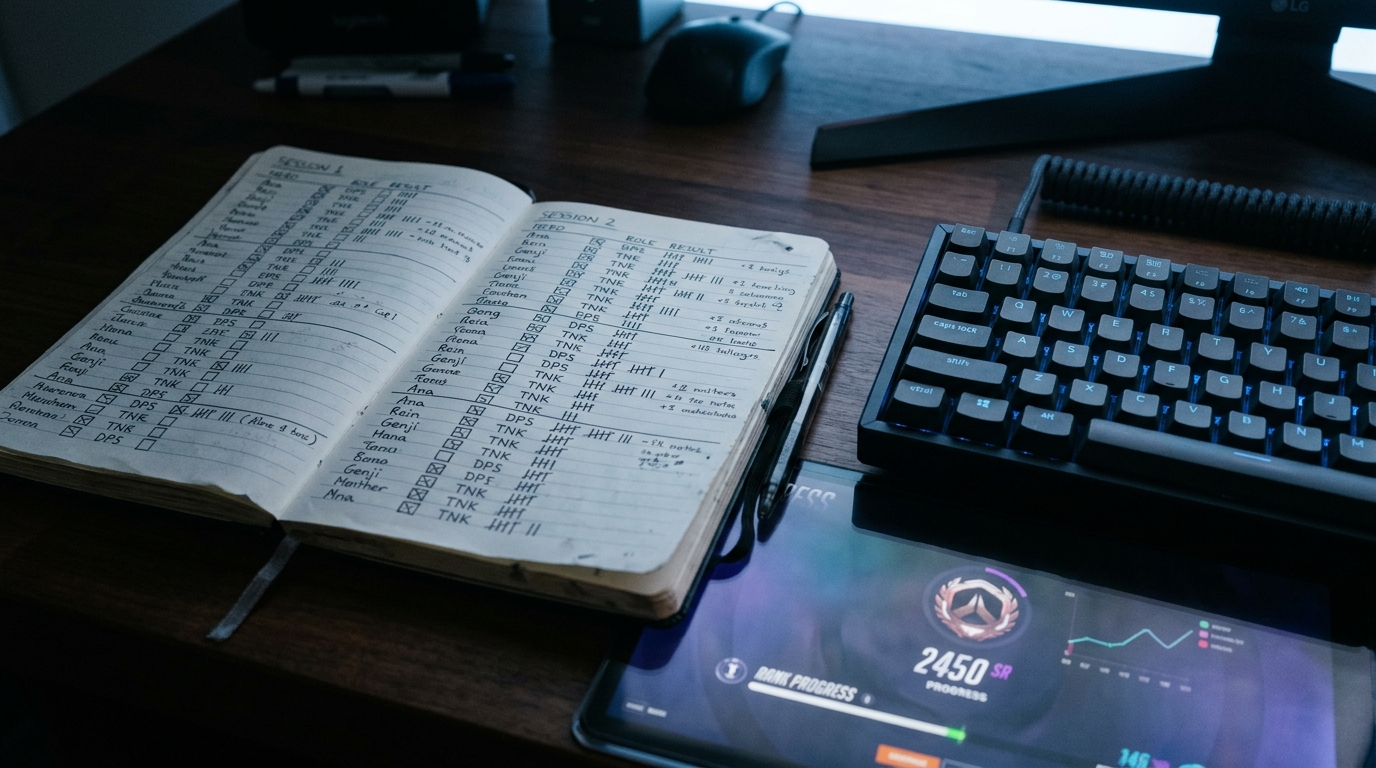
One habit that accelerates improvement faster than raw game volume is keeping a short personal log of draft phases where a rushed pick created an obvious composition problem. A voice memo after the match works fine. The act of naming the mistake, specifically, forces a kind of reflection that sitting in queue again immediately does not. You cannot learn from a mistake you diffused into generalized frustration. You can learn from one you described out loud.
The endpoint is not perfection. It is consistency. Teams and individuals who treat the draft phase as a solvable problem rather than a chaotic scramble will, across any meaningful sample of ranked games, convert more favorable matchups into actual wins. They build Rank Point surpluses that survive the bad-luck losses that come for every player eventually. The draft is the first game within the game. Winning it more often than you lose it is a real edge, and it costs nothing except a few minutes of preparation and the discipline to wait one extra second before clicking.
If you enjoy the puzzle-solving side of competitive formats, the kind of layered decision-making that reward preparation over raw mechanics, games like Dirt Pump and Segment Storm scratch a similar itch in a lower-stakes environment where you can experiment freely.
The ranked rush is a solvable problem. It just requires treating the draft as the first decision of the match rather than the waiting room before it.
Sources

Priya Nambiar covers competitive gaming and emerging esports ecosystems for GoAndGame, with a particular focus on Southeast Asian scenes and grassroots tournament culture. She came up through community forums before moving into sports journalism, and that background shapes everything she writes.


