Climbing ranked on Southeast Asian Valorant servers is not the same exercise as climbing anywhere else. The ping variance alone, with players from the Philippines, Vietnam, Thailand, and Indonesia sometimes sharing the same lobby across wildly different latency conditions, changes how gunfights resolve and how utility lands. Add a competitive circuit that pushes aggressive, fast-paced compositions into the ranked meta, and the habits that work in NA or EU Bronze lobbies become active liabilities here.
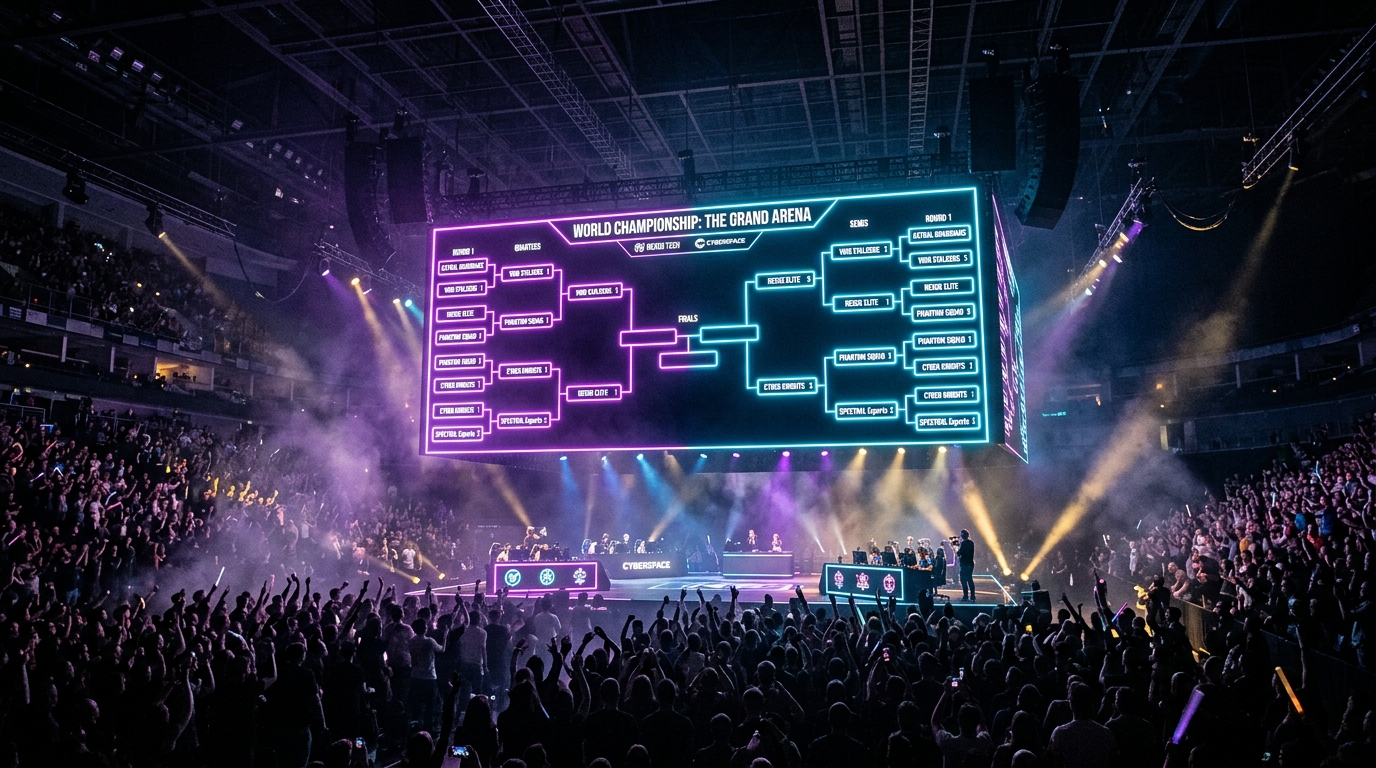
This guide is built around what the data actually shows at each tier, cross-referenced against the regional pro scene, specifically events like Challengers 2025: Southeast Asia Stage 2, which ran from March through May 2025 with a USD 50,000 prize pool. When pro teams competing on that circuit bring tournament-tested compositions into ranked, it creates a trickle-down meta effect that shapes what you face at every tier below Radiant. Knowing that meta is not optional. It is the starting point.
Act I: Building the Foundation (Bronze through Platinum)
Bronze and Silver: The Mechanics Floor You Must Build
At this tier, agent selection is mostly irrelevant. High-volume ranked data consistently identifies crosshair placement and first-bullet accuracy as the primary separators between Bronze and Gold. No amount of utility knowledge compensates for a player who aims at the chest and sprays. Before anything else, that habit needs correction.
Economy discipline is the second lever, and it costs nothing to pull. Bronze and Silver SEA lobbies almost universally buy when they should save and save when they should force. Learning the difference between a full-save round and a calculated force-buy, and communicating that decision to the team, is a low-effort change with an immediate, measurable effect on round win rate.
The third gap is controller play. Omen and Viper are dramatically underplayed and underutilized in these lobbies. A player who commits to learning Omen's basic smoke lineups for two or three maps gains disproportionate value through information denial alone. Most Bronze-Silver opponents do not know how to play through smokes, because nobody in their lobbies has been forcing them to learn.
Gold and Platinum: Reading the Regional Meta
SEA Gold and Platinum lobbies trend heavily toward double-duelist compositions. It is a pattern that reflects the aggressive entry-fragging culture visible all the way up the competitive ladder. The exploit is straightforward: Sentinel play, particularly Cypher on maps like Bind and Fracture, punishes the uncoordinated attack patterns that double-duelist teams produce when their entries stall.
Map knowledge becomes the dominant skill separator at this bracket. Specifically, knowing the off-angles and lurk paths that SEA players favor in Platinum is worth more than marginal aim improvement. Players who study common lurk routes and pre-aim accordingly move through this tier faster than those who grind aim trainers without context.
The Asia-Pacific team rankings on VLR.gg reflect that Pacific-region pro teams build their game around structured default plays, patient zone control, and disciplined trading. Mimicking that structured approach in ranked, even imperfectly, is a reliable climb mechanic at Gold and Platinum. The chaos in your lobby is the advantage, not the obstacle.

Act II: The Upper Ladder (Diamond through Radiant)
Diamond and Immortal: Communication and Role Discipline
Diamond is where the game changes in a specific, concrete way. Queue times lengthen because the sub-regional server populations, Philippines, Thailand, Indonesia, Vietnam, are each relatively small at this bracket. Fewer players in the pool means lobby consistency improves, and team cohesion becomes a genuine rank differentiator in a way it simply was not below Platinum.
Initiator-heavy compositions dominate high-Diamond SEA ranked. Fade and Gekko pairings in particular are common because they enable the fast-execute style that regional pro teams have normalized through tournament play. If you are queuing as a duelist in these lobbies without a paired initiator, you are running a structure that the lobby's best players are already prepared to shut down.
Voice communication quality is the other real separator. Callout precision, not volume, not energy, matters here. A player who gives clean, immediate information after dying, "Sentinel B short, crossing to site," does more for a round outcome than a player who types the same thing thirty seconds later. Developing that habit consistently, not just when it feels natural, is what positions players to break into Immortal.
Radiant: What the Data Says About the SEA Ceiling
The Radiant population on SEA servers is thin compared to NA and EU. That compression has a specific consequence: the ladder does not reward peak performance the way a larger population might. Consistency is what sustains rank. A player who hits a 60-round performance ceiling once a session and tilts through three losses afterward will not hold Radiant on SEA servers the way they might in a broader ladder.
VCT Challengers SEA participants appear regularly in Radiant ranked lobbies. That is not intimidating context. It is a live benchmark. Watching how a pro-level player reads a round in real time, specifically where they position during defaults and how they rotate on early information, provides feedback that no replay review can fully replicate.
Multirole flexibility is close to mandatory at this level. Players locked into a single agent or role archetype plateau because team composition needs shift dramatically from game to game at the top of the ladder. One lobby needs a third controller. The next needs someone to anchor. The player who can fill either slot without a performance drop is the player who stays at Radiant rather than hovering just below it.
The SEA ranked ladder is, in the end, a specific competitive environment with its own logic. The ping variance, the pro-influenced meta, the aggressive default playstyles: none of these are problems to route around. They are the conditions. Learning them precisely, tier by tier, is the climb.

Priya Nambiar covers competitive gaming and emerging esports ecosystems for GoAndGame, with a particular focus on Southeast Asian scenes and grassroots tournament culture. She came up through community forums before moving into sports journalism, and that background shapes everything she writes.