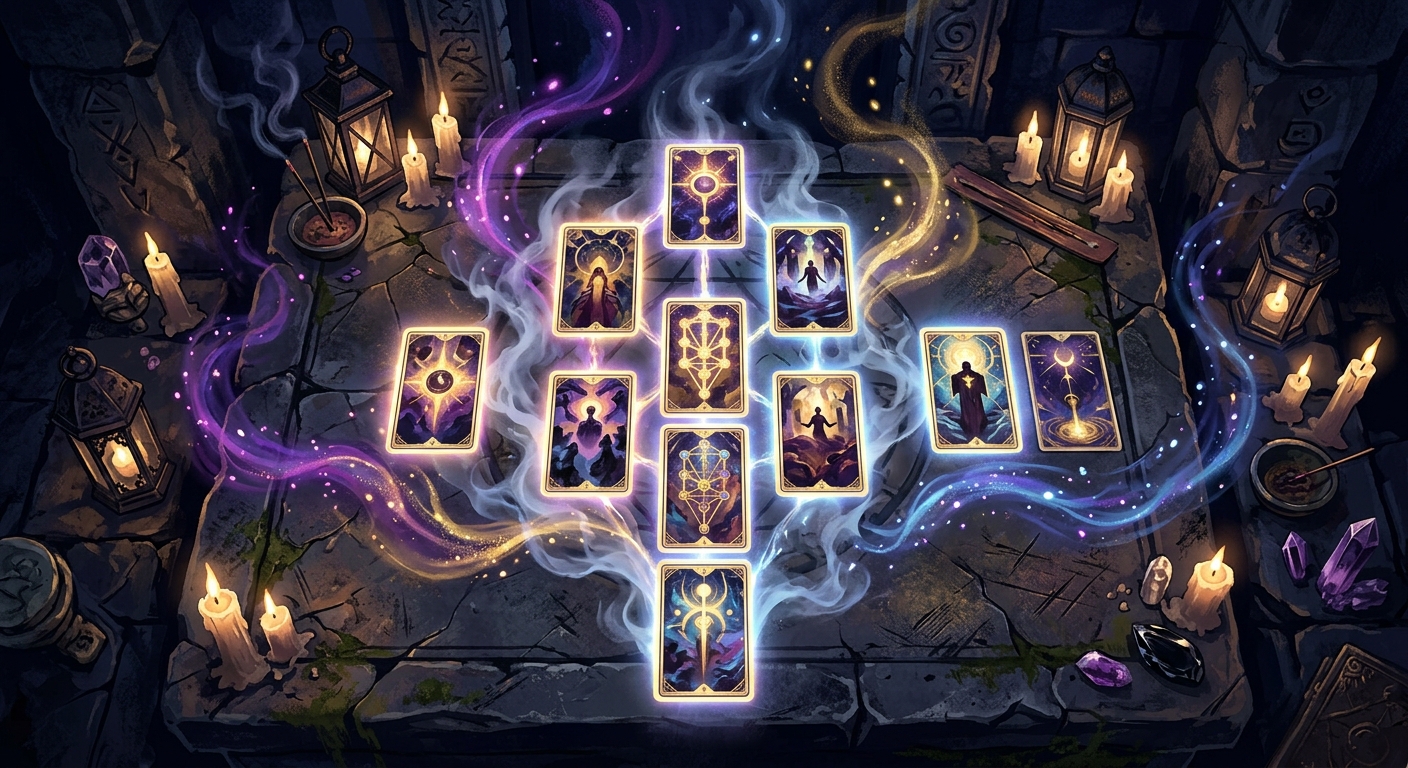
At the Crossroads, Melinoë can prepare for a run that has not yet shown its hand. She cannot choose which Olympian boon will appear in the next chamber, but she can choose her Arcana. A reliable loadout begins there: with passive effects that keep helping when the offered boons are awkward, a fight lasts too long, or one missed dodge turns a comfortable room into a dangerous one.
Start with the limit, not the card
Arcana cards provide passive benefits, and each active card uses some of Melinoë’s Grasp. That limit makes a powerful card more expensive than its printed cost suggests. Taking it may mean leaving several smaller effects behind. The useful question is not simply how strong a card looks, but how often its benefit will matter with the weapon and habits you are bringing into the run.
The system also rewards careful investment between attempts. Cards are unlocked with Ashes, Grasp capacity is increased with Psyche, and Moon Dust can improve cards you already own. If your current spread feels cramped, more Grasp may do more for your next few runs than upgrading one effect. Extra capacity lets you add a defensive card without dismantling the rest of your plan.
Give the loadout one job
Before selecting cards, picture an ordinary room. Are you staying close enough to keep pressure on enemies? Are you spending Magick often on Omega moves? Are you safer when you can sprint away, place a Cast, and wait for an opening? Choose cards that support what you expect to do repeatedly, rather than what might be spectacular once.
Think in three roles. An engine helps your main approach work. An enabler supplies what that approach tends to run short of, such as Magick or room for a mistake. A flex card answers a remaining weakness. For an Omega-heavy setup, Magick support is useful because an empty meter interrupts the whole rhythm. For a close-range weapon, a little more staying power may buy the time needed to finish an attack safely.
This framing also makes cuts easier. If a card asks you to play at low Magick but your plan depends on having Magick ready, its bonus may rarely appear at the moment you want it. Two individually attractive effects can still make a poor pair. Watch for that friction before spending Grasp on either one.
Choose anchors that survive a bad boon draw
Some cards earn their place by asking very little of the run. The Titan adds maximum Life and Magick, giving you more room to absorb a hit and more capacity for abilities that spend Magick. The Centaur builds maximum Life and Magick as you pass through locations. Neither card requires a particular god to arrive. Their value is easy to feel during a long attempt, especially when your preferred damage combination never comes together.
Defense deserves the same scrutiny as offense. Eternity’s Death Defiance can preserve a run after a single fight goes badly, but it still occupies Grasp that could support a faster or more specialized setup. Ask what problem keeps ending your attempts. If you are consistently reaching late fights with resources intact, another safety net may be less valuable than a card that helps you clear rooms cleanly. If small mistakes are ending runs early, the opposite may be true.
Spend Grasp where it changes your next room
A good spread should make sense before rare boons enter the picture. Build a first draft, then imagine three unremarkable rooms in a row. Which cards help you deal damage, manage Magick, or survive those rooms? If an effect depends on a specific boon, an unusual enemy pattern, or a habit you do not actually have, mark it as the first card to bench.
Do not treat every spare point as an invitation to add a card. Check the cost of what you would give up to make space. One broad defensive benefit can be worth more than several narrow bonuses you seldom trigger; a handful of low-cost effects can also outperform a tempting centerpiece when they work in every encounter. Grasp efficiency is measured across the run, not in the most flattering single room.
Adapt the run, then revise the deck
Your Arcana selection is set before you descend. When the boons offered during a run pull you away from your preferred plan, you cannot fix that by swapping cards in the next chamber. You can choose rewards that make the existing setup workable. If the damage pairing you wanted does not appear, a defensive boon or a steadier source of Magick may help you use what you already equipped.
After the run, remember which effects mattered. Did the extra Life save an attempt? Did Magick support let you use Omega moves as often as planned? Did a conditional card sit idle because you kept choosing safer actions? Change one or two cards in response, rather than rebuilding the entire spread after every loss. That small adjustment gives you a clearer test on the next descent.
Two checks before the next descent

The first check gives the loadout a purpose. The second keeps it honest. Between them, Melinoë can enter the next run with a plan that leaves room for whatever the Underworld offers.

Eliot Reed writes about the intricacies of virtual worlds, blending analysis with storytelling. As a house writer for GoAndGame, he delves deep into game mechanics and narratives, offering thought-provoking insights for players and developers alike.


