
Bethesda and Virtuos did not send a save-the-date. There were no teaser trailers drip-fed over three months, no influencer embargoes, no countdown timers ticking down on a glossy landing page. One Tuesday in April, Oblivion Remastered simply existed, and you could buy it that same afternoon. The move detonated across every gaming conversation simultaneously, and the shockwave landed hardest on the studios that had nothing to do with Tamriel at all.
That contrast, between the old playbook and the new one, is worth sitting with. Because what Bethesda proved is not simply that surprise releases are cool. It proved that the entire pre-launch marketing window is a habit, not a law, and habits can be broken by anyone with enough brand weight to survive the fall.
The Shadow Drop Heard Around the Industry
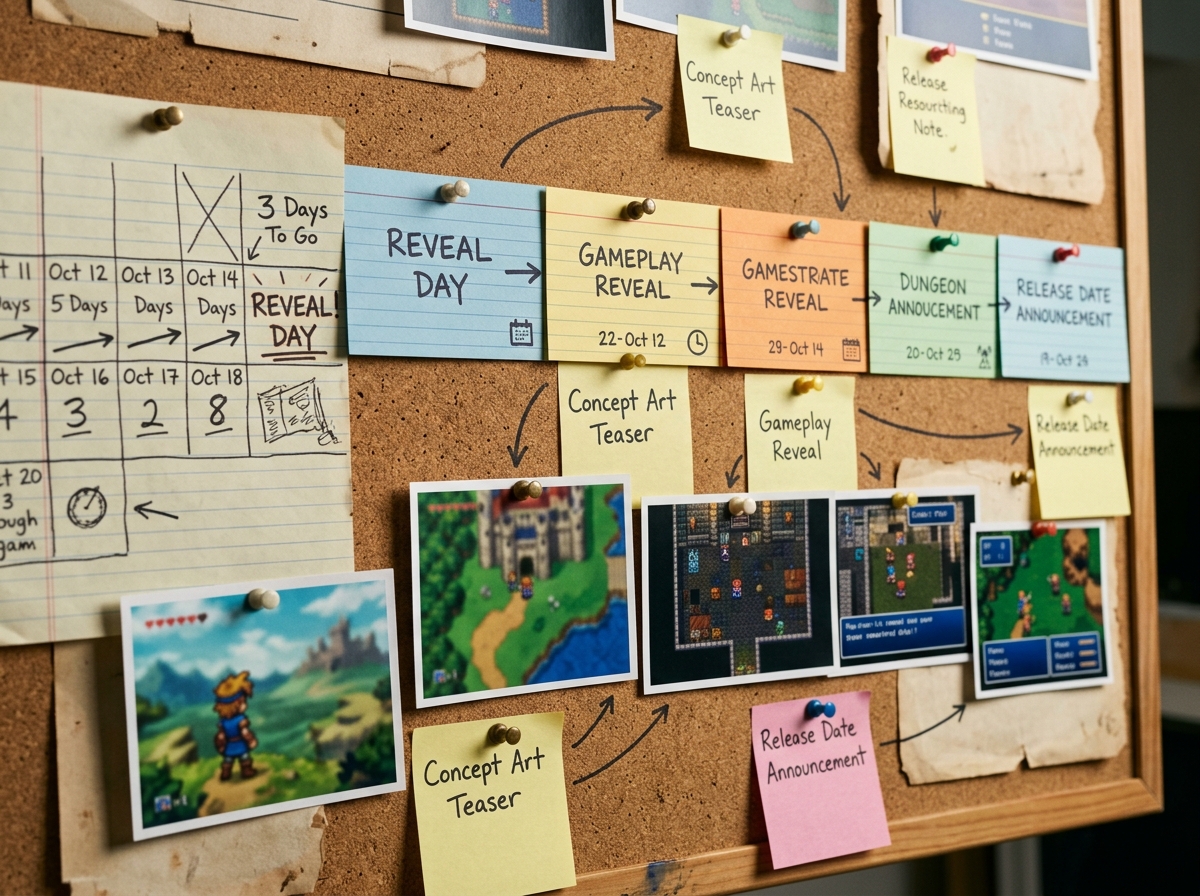
The traditional remaster announcement follows a script every publisher knows by heart. A short teaser with a logo and a release window. A longer gameplay reveal at a showcase. Preview coverage under embargo. A launch trailer. A street date. Each beat is designed to build purchase intent over weeks, giving consumers time to budget, wishlist, and get excited in the careful, manageable way that keeps pre-order numbers looking healthy on a spreadsheet.
Bethesda skipped every single one of those beats. The announcement and the release were the same moment, which meant the distance between I want this and I own this collapsed to roughly the time it takes to enter a payment method. Culturally, that compression was electric. Practically, it meant that every dollar spent on Oblivion Remastered in those first hours was a dollar that did not go anywhere else.
A Complete Stop: What Other Developers Actually Felt
The phrase that keeps circulating comes from an independent developer speaking to PC Gamer: a complete stop in game sales from about 2 PM onward on what they grimly started calling Oblivion Day. Not a slowdown. Not a dip. A stop.
That detail matters because it names something the industry tends to discuss in vague terms. Shadow drops by massive publishers do not just redirect consumer attention, they freeze it. Discretionary gaming budgets are not infinite, and a surprise release from one of the most recognized franchises in the medium pulls spending like a tide going out. Smaller studios had no runway to shift their own marketing pushes or delay a launch. They simply watched the chart flatten.
A well-telegraphed launch from a major studio is disruptive, but it is at least a disruption you can see coming. A shadow drop is a different animal entirely, and the collateral damage it causes is arguably disproportionate to the resources smaller studios have available to absorb it.
Why the Remaster Format Makes the Surprise Work Differently
Here is the structural reason this worked for Bethesda in a way it might not work for a new intellectual property. A remaster does not need to teach anyone what it is. Oblivion spent nearly two decades building its reputation. The nostalgia, the memes, the muscle memory of sneaking through Kvatch, all of that existed before the remaster was announced. Bethesda could skip straight to the sentence: it exists and you can buy it right now.
That sentence lands with immediate emotional force. It does not need weeks of preview coverage to manufacture desire, because desire was already sitting there, baked in, waiting. Compare that to a new IP, which genuinely needs the extended marketing window to introduce characters, establish stakes, and give players a reason to care. The surprise-drop strategy is structurally better suited to legacy titles than to anything requiring consumer education from scratch.
Publishers sitting on catalogs full of beloved older games should be studying this carefully. The Asteroids Remake model, bringing something iconic back with enough visual upgrade to feel current, is exactly the kind of project where collapsing the announcement-to-purchase window could work in a publisher's favor. The pre-existing affection does all the heavy lifting that a marketing campaign would otherwise need to do.
New Rules, New Risks: What Publishers Should Take Away
The temptation to replicate the Oblivion Remastered playbook will be strong, and some of those attempts will fail quietly. Bethesda had a specific combination of factors working in its favor: a brand with two decades of cultural gravity, a genuinely impressive visual upgrade that justified the price, and day-one availability on Game Pass, which lowered the barrier to entry for anyone on the fence. Remove any one of those legs and the stool wobbles.
A shadow drop from a publisher with less brand equity, a less thorough visual overhaul, or no subscription platform presence is not the same move. It is a guess dressed up as a strategy. The lesson is not that surprise releases always win. The lesson is that surprise releases win when the product can survive on word-of-mouth alone from the first minute it is available, because there is no other marketing infrastructure to fall back on.
There is also a question that the industry is only beginning to ask seriously: when a corporation large enough to freeze an entire afternoon of indie sales chooses opacity over transparency, what responsibility comes with that power? The surprise drop is a legal, effective strategy. It is also a choice that exercises enormous market force in a way that smaller studios have no tools to counter. That does not make it wrong, but it makes it worth naming plainly. The publishers who thrive in the next era of legacy revivals will be the ones agile enough to know when to break the habit of the traditional marketing window, and honest enough to reckon with what that break costs everyone else operating in the same market on the same day.
Sources
- Devs lament Oblivion Remastered's surprise release as Todd Howard eats their lunch: 'I noticed a complete stop in game sales from about 2 pm onward on Oblivion day' | PC Gamer
- 'The Elder Scrolls IV: Oblivion Remastered' Is Out Now
- Everything announced for the Oblivion remaster - all changes and improvements confirmed so far | GamesRadar+
- How the Oblivion Remaster's Huge Sales Could Shape Games for Years to Come
- PC Gamer: Devs lament Oblivion Remastered's surprise release | ResetEra
- Bethesda Game Studios Director Wants to Shadow Drop More Games After Oblivion Remastered's Success - OpenCritic
- Maybe Shadowdropping Oblivion Wasn't Such A Bad Idea After All As The Remaster Is One Of 2025's Best-Selling Games - OpenCritic
- Bethesda Wants Its Future Games to Shadow Drop Like Oblivion Remastered

Mara Solis is a staff writer at GoAndGame covering board games, tabletop strategy, and the culture around competitive play. She has spent years logging hours at game tables from local hobby shops to international conventions. Her writing blends practical insight with a genuine enthusiasm for the communities games create.


