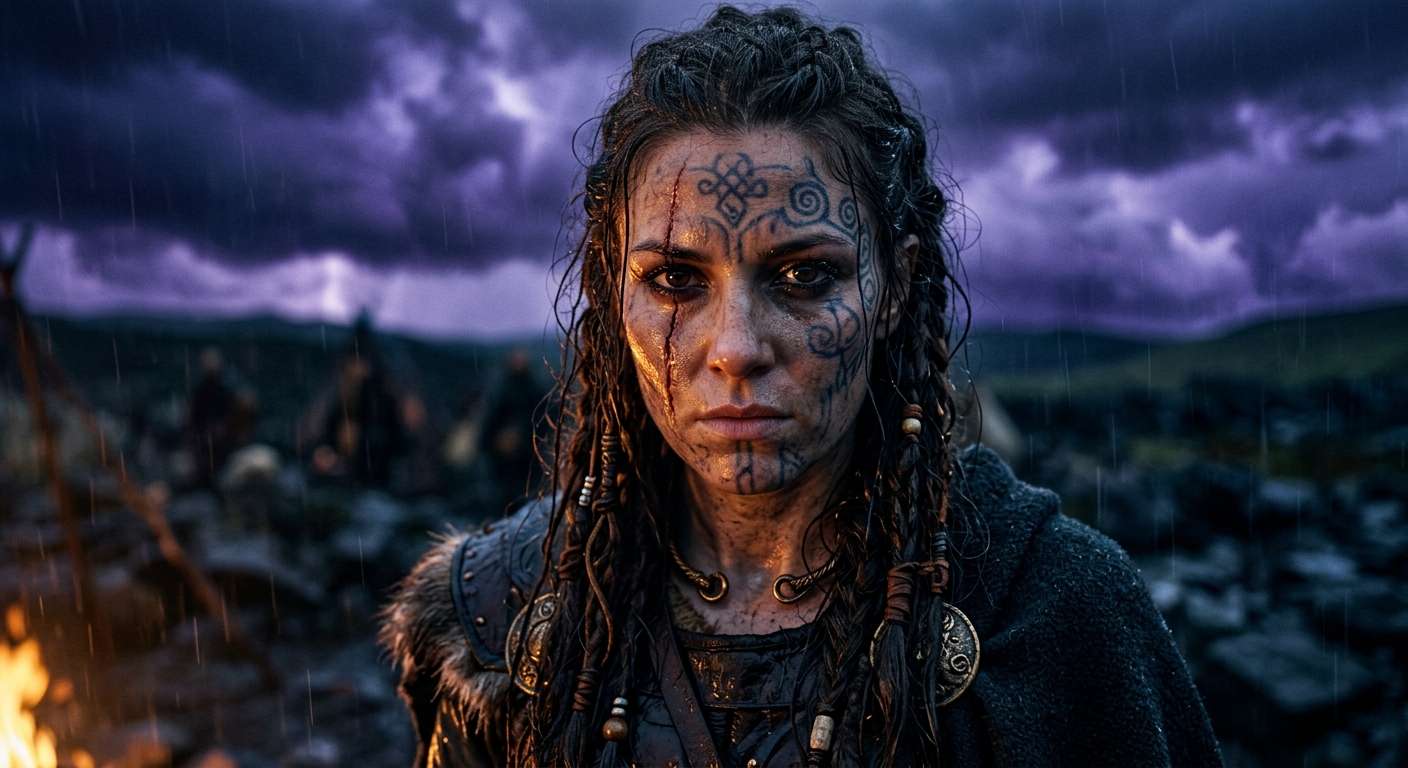
Senua's Saga: Hellblade II arrived in May 2024 as a technical landmark, built on Unreal Engine 5's Nanite and Lumen systems to produce facial animation and environmental detail that most players had not seen on a home console before. Ninja Theory used photorealism as a formal argument: every rain-drenched basalt field and weathered line on Senua's face is a design decision, not a default. That argument deserves scrutiny, because the visual commitment shapes everything else about the game, for better and for worse.
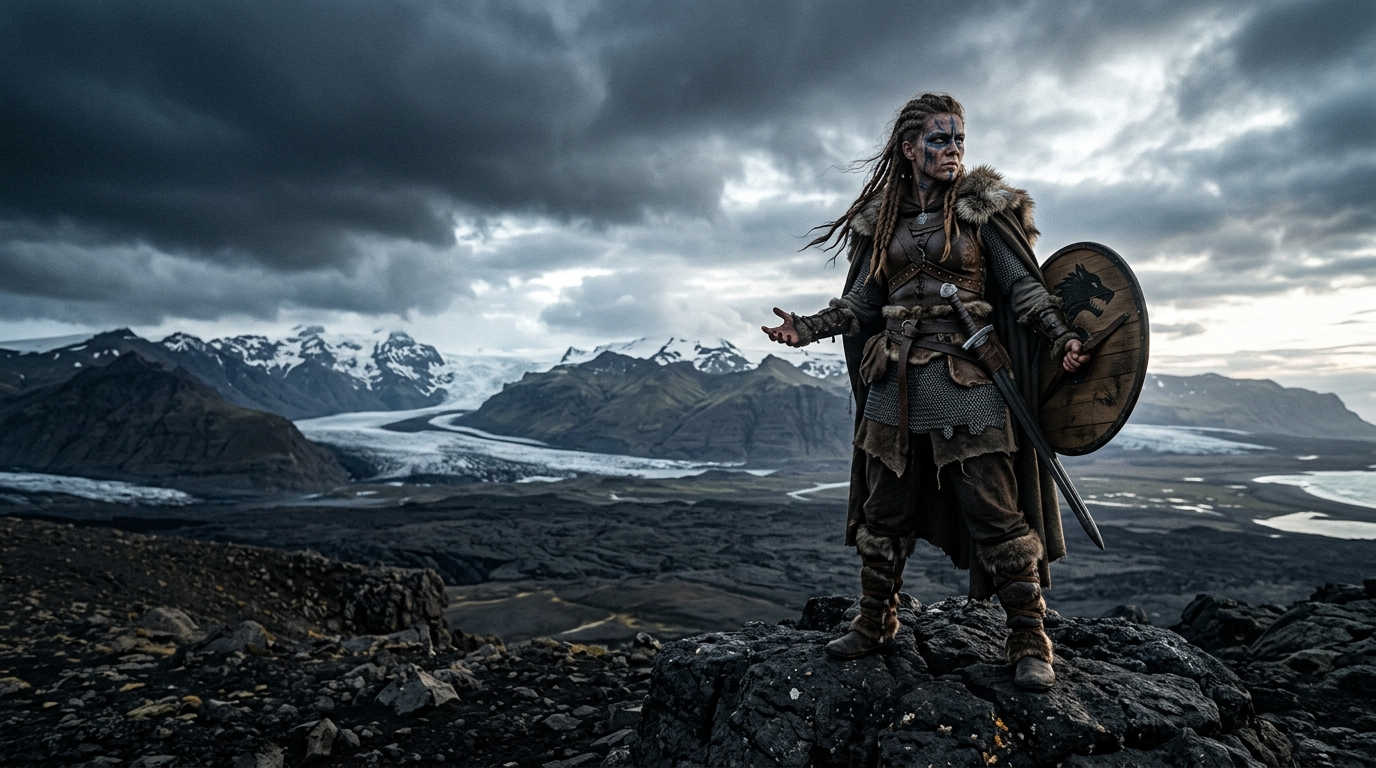
What the Fidelity Actually Costs
The game earned an 81 Metascore at launch, drawn from 95 critic reviews on Metacritic, with 77 percent of those reviews landing positive. That near-consensus on technical achievement sits alongside genuine disagreement about whether the achievement serves the story. The gap between those two conversations is the most interesting thing about the game's reception.
Photorealism at this level is expensive in two senses. In production terms, it demands enormous resources that could fund mechanical ambition or script revisions. In experiential terms, it asks the player to receive rather than decide. Every pore rendered in precise detail is also a pore the player did not earn by navigating any meaningful choice. The question is not whether the visuals are impressive. They are. The question is what the trade bought.
Representing Psychosis Without Tipping Into Spectacle
Ninja Theory's binaural audio design is the production element that most clearly justifies the studio's ambitions. The Furies, Senua's inner voices, occupy a three-dimensional soundscape that shifts dynamically around the player, replicating the subjective texture of auditory psychosis rather than simply labeling it. Motion capture was performed by Melina Juergens, Ninja Theory's own video editor and returning lead actress, whose physical performance gives the photorealistic rendering something recognizably human to anchor it, according to production notes compiled by Wikipedia.
The tension shows in the details, though. Game Informer's Marcus Stewart noted in his review, titled "Conquering Old Demons," that the voices have an unfortunate habit of speaking up over crucial companion dialogue. From an artistic standpoint, tuning them out helped him empathize with Senua's daily experience. As a game mechanic, the overlap was a genuine hindrance. That double effect is not a small problem: advocacy and spectacle pulling in opposite directions at the same moment. Hellblade II's extreme fidelity makes it the sharpest current test case for whether games can represent psychosis without converting a complex neurological reality into something closer to consumption.
Agency, or the Deliberate Absence of It
A recurring concern during the review cycle focused on limited interactivity. Combat encounters are frequent but tightly scripted. Exploration moves through linear corridors with little meaningful choice. Puzzle design, a hallmark of the first game, is simplified. Some reviewers questioned whether the experience functions as a game in any traditional sense, or whether it sits closer to an interactive film with occasional button prompts.
Ninja Theory's stated intent was for players to feel the claustrophobia inherent in Senua's inner world, a mind not always governed by rational input. Stripping agency is, in that reading, a formal argument. Game Informer largely supported the studio's decisions, framing reduced interactivity as the price of an unparalleled emotional experience. The counterargument is durable. Stripping agency can also strip the narrative of its most potent tool: the convergence of player and character decisions that produces genuine moral identification rather than aesthetic sympathy. Games achieve identification by forcing players to choose, and those choices carry weight precisely because the player made them. Hellblade II asks whether it is possible to share a mind without being allowed to steer it. That question has consequences for every design decision the studio makes next.
Where the Franchise Goes When the Hardware Ceiling Arrives
Hellblade II landed at a moment of genuine uncertainty about fidelity's purpose in games. Hardware and engine developers champion photorealism as a destination, yet player communities increasingly embrace stylized visuals, from cel-shaded adventures to pixel-art roguelikes. Realism and engagement do not align as neatly as marketing implies, and the game's reception illustrates that gap clearly.
The commercial context complicates any clean verdict. Distribution through Xbox Game Pass gave a large audience access to the experiment without individual purchase decisions, insulating the work from direct market feedback. Whether the investment in hyperrealism translates into sustained engagement is genuinely hard to measure when the subscription model absorbs the cost. Ninja Theory built something expensive and unusual, and the usual metrics do not quite fit it.
If the studio has reached the practical ceiling of photorealistic character rendering on current hardware, the next step requires innovation elsewhere: deeper interactivity, branching consequences, or formal approaches not yet attempted. Simply increasing polygon counts will yield diminishing returns. Even the most technically enthusiastic reviewer will eventually run out of new language for surfaces that already look indistinguishable from film photography.
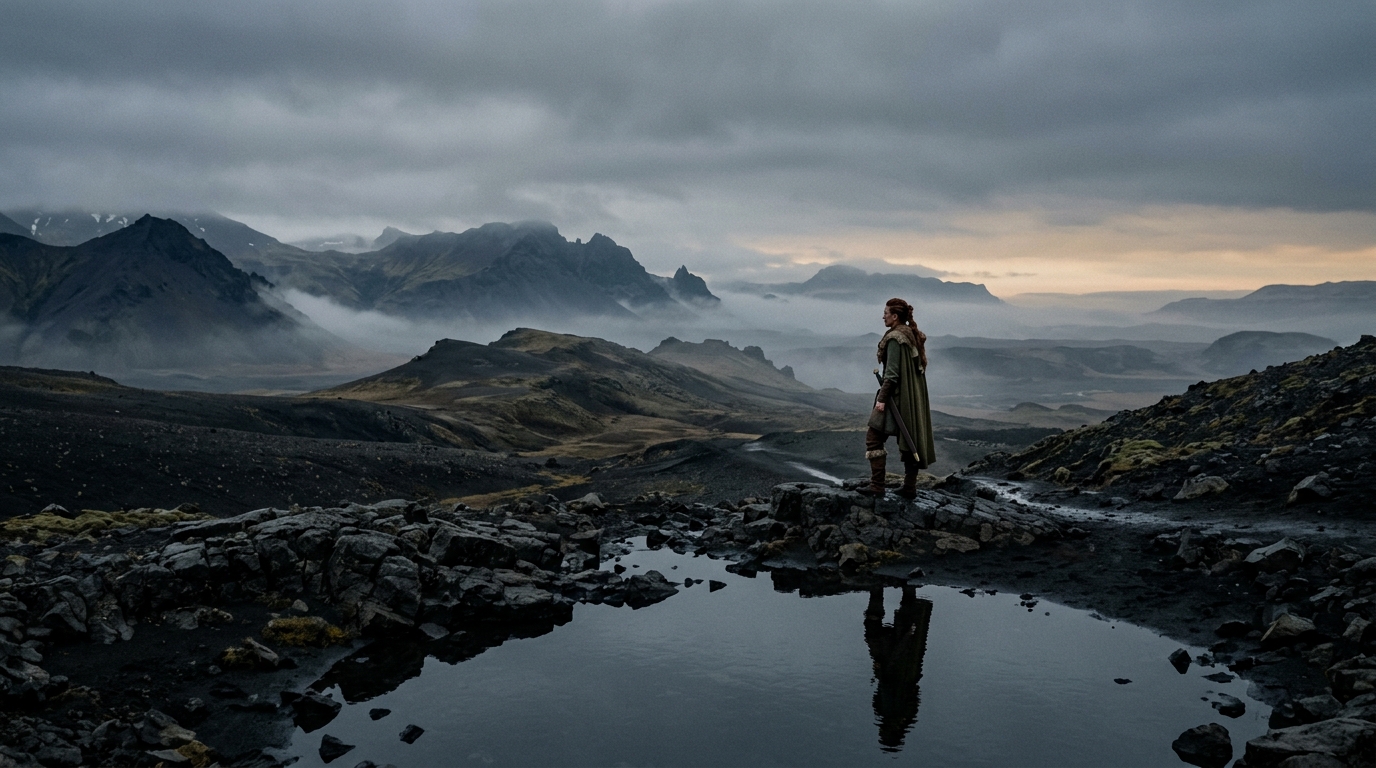
Hellblade II earns its praise on technical and artistic merit. It also demonstrates, perhaps unintentionally, that the path to empathy cannot be paved by resolution alone. The industry's next significant leap may not be toward more perfect images. It may be toward more genuinely shared authorship between the player and the story they are meant to inhabit.
Sources

Julian Thorne is a seasoned house writer for GoAndGame, known for his deep dives into obscure game mechanics and industry trends. He often explores the sociological impact of gaming, blending critical analysis with historical context.


