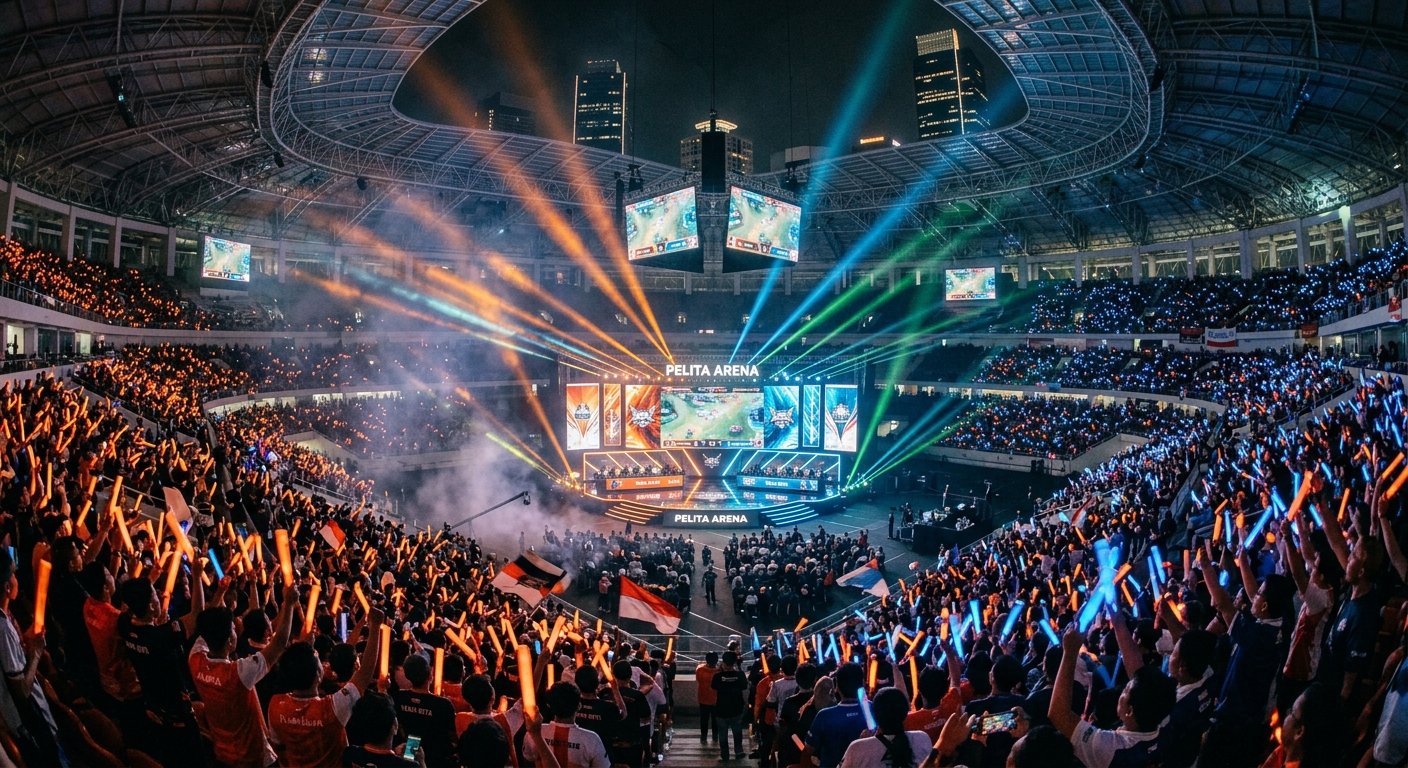
Jakarta has hosted street-level Free Fire tournaments in parking lots and mall atriums for years. In 2026, the city moves indoors to a stadium. Garena's announcement that the Free Fire World Series 2026 will be held in Jakarta is not just a venue upgrade. It is a signal about where competitive mobile gaming thinks it belongs, and who it expects to fill the seats.
Jakarta Locks In the World Series
The choice is deliberate and the numbers back it up. Indonesia sits among the top markets globally for Free Fire by active player count, and that base is not passive. Indonesian fans travel to events, fill Discord servers at odd hours, and buy team jerseys before rosters are even confirmed for the season. Garena knows this. The country's government knows it too, having spent the last several years treating large-scale esports events as a line item in both cultural policy and economic development planning.
The announcement follows a published qualifier schedule for the Free Fire World Series Southeast Asia 2026 Fall, released by Indonesian broadcaster RRI. That document gave fans and teams alike a concrete roadmap, which matters more than most people outside the scene realize. When qualifiers have defined dates, rosters stabilize, practice schedules firm up, and smaller organizations can actually plan a budget. The schedule is infrastructure, not just a calendar.
A Stadium-Scale Production Ambition
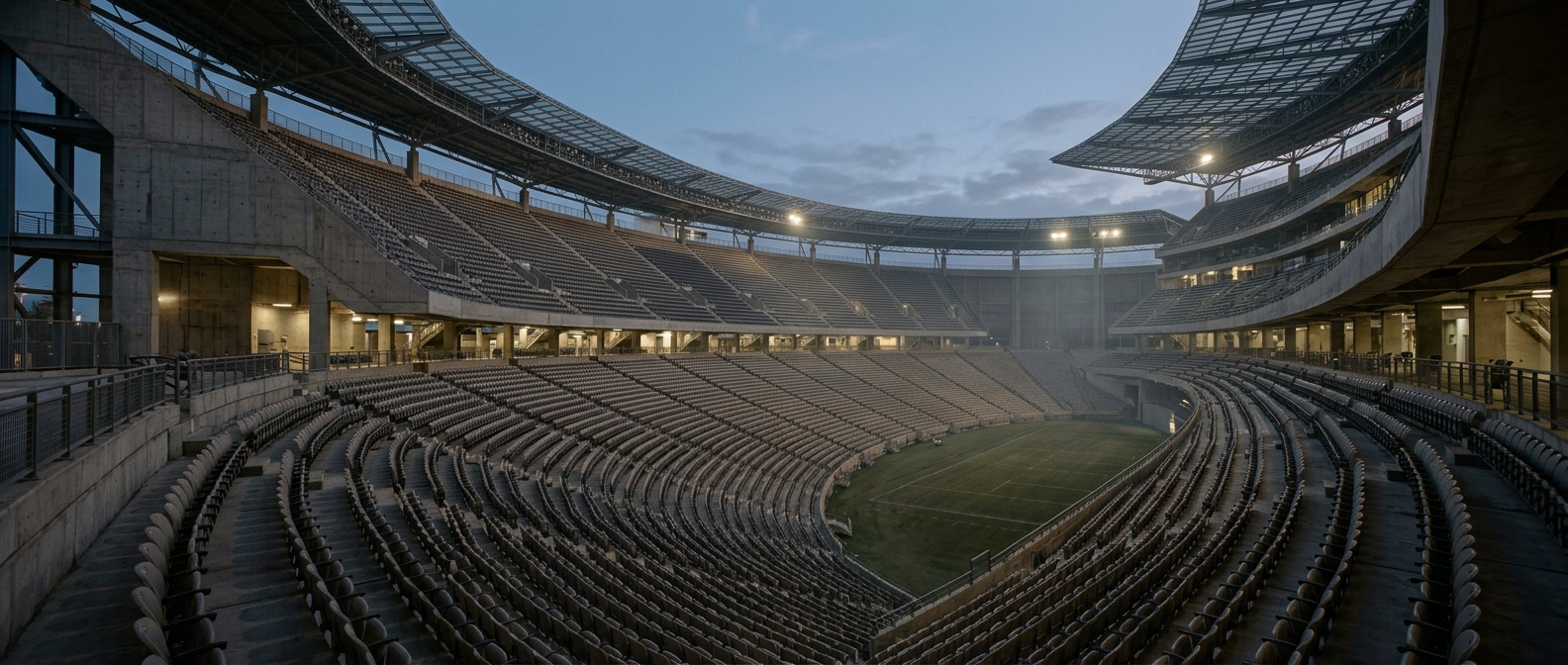
Previous World Series editions have leaned on purpose-built esports arenas: controlled environments, tight camera angles, crowds measured in the low thousands. The 2026 edition is targeting venues that seat tens of thousands. That distinction changes almost everything about how the event functions.
The production ambition includes large LED stage rigs and augmented reality overlays woven into the live viewing experience, closer in feel to a music festival headliner than a traditional esports broadcast. Organizers want the crowd energy to be physically felt, not just visible on a stream. That is a legitimate aspiration. It is also a significant logistical problem. Ticketing equity at stadium scale is genuinely hard to get right, broadcast latency during live competition becomes more exposed under arena conditions, and the in-venue atmosphere has to translate to the global livestream audience that will outnumber physical attendees by orders of magnitude. Getting all three right at once is the real challenge behind the ambition.
Esports analysts who track production costs at this scale have noted that the gap between a compelling arena show and a compelling broadcast is often invisible to the organization writing the checks, and very visible to the viewer at home. Garena will need both to work.
Regional Qualifiers and the Road to the Final
The path from local grind to Jakarta runs through an extended Southeast Asia Fall qualifier series covering Vietnam, Thailand, Malaysia, the Philippines, and Indonesia itself. These are not exhibition legs. Teams that finish well earn direct berths into the global bracket, which means a semi-professional roster from a smaller market can, with enough discipline and a few correct reads in a qualifying match, end up on the same stage as the established regional powers.
Garena has used the World Series format in past years to surface underdog stories, and the expanded qualifier ladder for 2026 appears designed to keep that pipeline open. There is a competitive integrity argument for this, and an obvious marketing argument for it too. Both can be true at once. A bracket that includes unfamiliar names from emerging markets is more interesting to watch and more useful as a growth tool than a closed field of known quantities playing predictable matchups.
For the hundreds of professional and semi-professional rosters tracking that RRI-published schedule right now, the stakes are concrete: travel, prize money, sponsorship visibility, and the kind of broadcast exposure that can turn a regional name into an international one. The qualifier calendar is where the actual drama of the 2026 World Series begins, well before anyone steps onto a Jakarta stage.
Indonesia's Esports Moment and What Comes Next
Indonesia is not simply a convenient host market. The country has been building esports infrastructure with real intent: government-affiliated training centers, university programs with dedicated esports tracks, and a growing roster of homegrown organizations competing at the regional level. Hosting the World Series at stadium scale in 2026 arrives at a moment when that infrastructure is visible enough to impress an international audience and developed enough to actually support the event operationally.
The economic case for Jakarta is straightforward. Major international esports finals drive hotel occupancy, food and beverage spending, and media coverage that functions as destination marketing. Jakarta's tourism bodies will use this event in their 2026 promotional materials, and rightly so. The city earns that. What is more interesting to watch is whether the event generates lasting structural benefit, partnerships with local organizations, development programs for Indonesian talent, broadcast infrastructure that stays after the crew packs up, rather than a one-time spike in coverage and spending.
Beyond 2026, the announcement positions Indonesia as a recurring candidate for future global esports hosting rights. That competition among Asian host cities is already real and will intensify as the broader esports calendar grows. Garena benefits from a stable, enthusiastic host market. Indonesia benefits from the visibility and investment that marquee events bring. The relationship is mutually useful, which is exactly why it is likely to continue. The skeptic's question is not whether Jakarta can host this event well. It is whether the ecosystem that exists on the ground, the coaches, the grassroots organizations, the young players in provincial towns watching qualifier streams, sees enough of the upside to keep growing after the stadium lights go dark.
That question does not get answered in an announcement. It gets answered over the next eighteen months, qualifier by qualifier, city by city, roster by roster.
Sources
- Simak Jadwal Free Fire World Series Southeast Asia 2026 Fall - RRI.co.id
- Free Fire World Series - Wikipedia
- Garena unveils Free Fire 2026 Esports Roadmap with expanded global competition, new standalone Clash Squad tournament, and EWC return
- Free Fire World Series 2023 - Wikipedia
- Free Fire World Series – Global Finals 2024 - Wikipedia
- Garena - Wikipedia

Priya Nambiar covers competitive gaming and emerging esports ecosystems for GoAndGame, with a particular focus on Southeast Asian scenes and grassroots tournament culture. She came up through community forums before moving into sports journalism, and that background shapes everything she writes.


