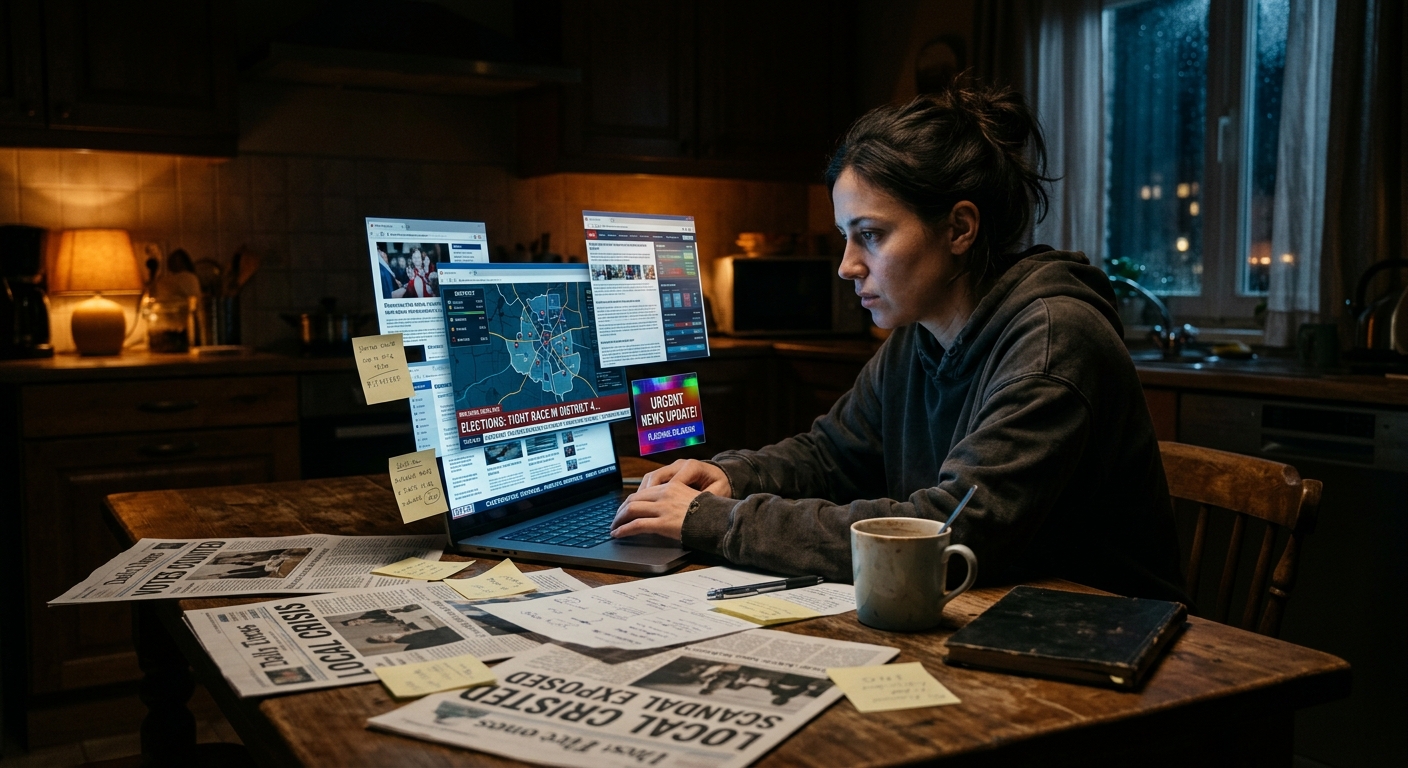
A voter opens an election page looking for one answer: who is running where? The page beside it offers a world crisis, a video alert and an ad asking for feedback. Each item may deserve attention. Together, they create a harder task for anyone trying to follow the 2026 midterms: deciding what changed, what remains uncertain and what needs a closer look.
The Midterms Need More Than a National Scoreboard
Control of Congress will be decided district by district and state by state, not by the mood of a single national headline. Candidate filings, primary results, fundraising reports and local reporting each reveal a different part of a race. None, on its own, tells readers who will turn out or how they will vote. As November approaches, the most useful question is often the most specific one: which voters can this candidate reach, and what evidence supports that claim?
NBC News’s 2026 election page gives readers a place to follow the developing contests. It also illustrates a limitation of any national election hub. A race that matters enormously to one community may sit several clicks below the biggest story of the day. To understand a competitive seat, readers still need the local details: what an incumbent has done, how a challenger differs and which concerns keep coming up outside campaign events. A poll can suggest where a race stands. It cannot explain every conversation that produced the numbers.
When World News Crowds the Same Screen
Election coverage does not arrive in a quiet season. On CNN’s front page, U.S. politics shares space with world news, business, climate, wars and other continuing stories. That breadth is valuable. A reader should be able to see events beyond the campaign trail. Yet the arrangement puts a great deal of weight on a small amount of screen space. A breaking banner can demand immediate attention while a slower, consequential development receives less room.
Speed changes the reader’s job, too. Early accounts of a crisis often contain gaps that later reporting fills. The first alert may be the right reason to start paying attention, but it is rarely the best place to stop. Election stories require a similar habit of return. A candidate’s claim may sound decisive in a clip, then look different beside the full speech, a public record or a response from the people affected. Following a story over several days takes more effort than following alerts. It can also leave readers with a clearer account of what happened.
The News Page Has Its Own Pressures
CNN’s prompt asking visitors how relevant an ad felt offers a small view of the business behind the page. A publisher needs revenue to pay for reporting, while advertisers want evidence that their messages reach people. Readers experience that bargain in concrete ways: an ad before a video, a shifting page while content loads, or a request for feedback before they return to the story. Those interruptions matter most when someone is trying to piece together urgent information.
Subscriptions offer another way to fund journalism. NBC News presents newsletters, saved stories and a subscriber hub alongside its reporting. Those features can help a regular reader keep track of an ongoing race. They can also make the open page and the paying experience feel increasingly different. The difficult editorial question is what essential context remains easy to find without an account. A headline may tell everyone that a candidate made a promise. Explaining the cost, the legal obstacles and the people who would be affected takes reporting that must be paid for somehow.
New tools may help newsrooms sort and summarize large volumes of material, but a short summary inherits the weaknesses of what it leaves out. If a report rests on an unconfirmed account, compressing it does not make it firmer. Readers deserve to know where a claim came from and when it was last checked, especially when a story is moving quickly.
What to Watch Between Now and Election Day
The useful rhythm for the remaining campaign is slower than the alert cycle. Check a race when a candidate’s position changes, a disclosure supplies new information, a debate exposes a meaningful difference or local reporting tests a campaign claim. Watch for corrections as well as updates. If a dramatic number appears without a date, a method or a link to its source, hold off on treating it as a settled fact.
It helps to keep different kinds of coverage in different roles. A national outlet can show which contests may affect Congress. A local reporter can explain the roads, schools, employers and public meetings that shape a particular district. Direct records can settle narrower questions about a vote or a filing. No single source will do all three jobs equally well.
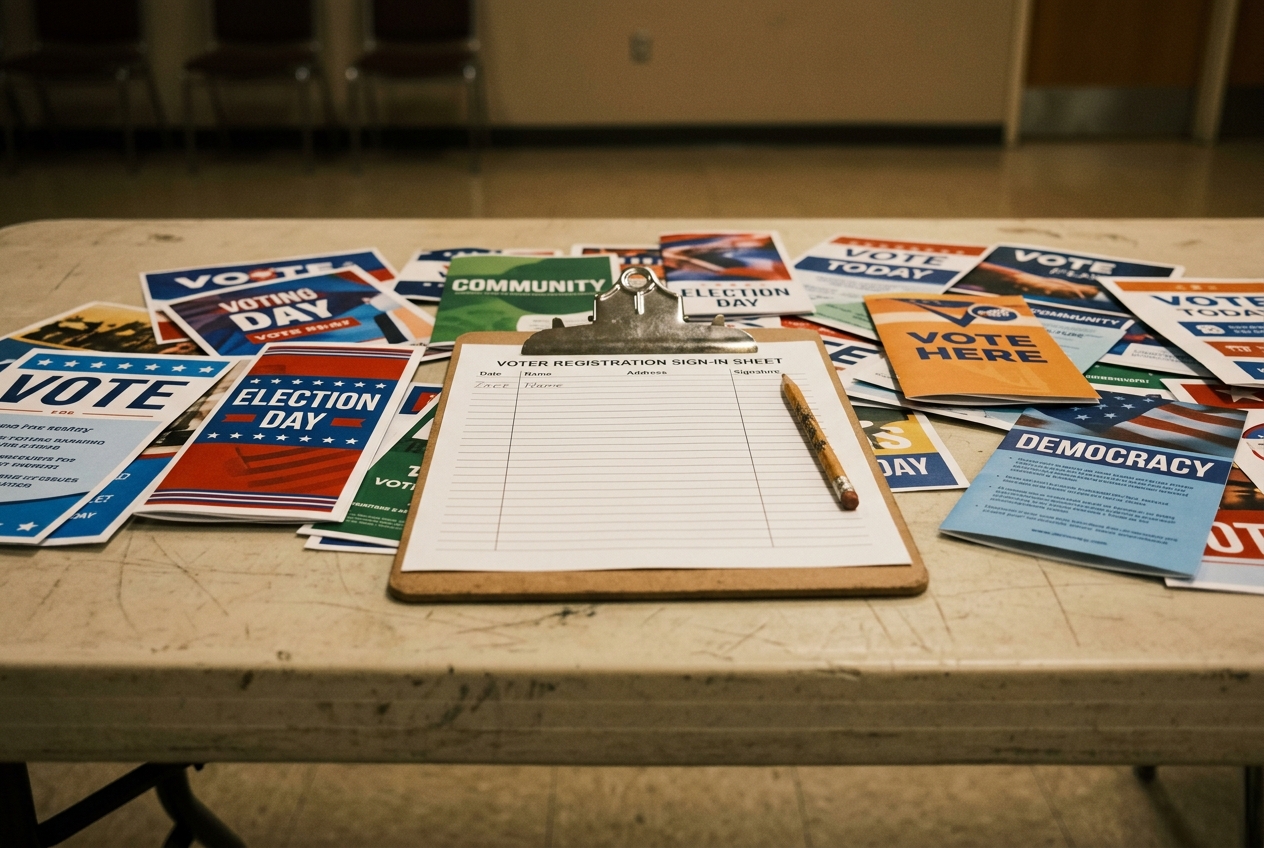
The election will generate plenty of moments that feel final before votes are cast. A crowded rally, a sharp debate exchange or a sudden headline can change the day’s conversation. Its lasting significance takes longer to establish. The voter at the precinct table eventually has to choose from the names on a ballot, not from the alerts that competed for attention along the way.
Sources

Eliot Reed writes about the intricacies of virtual worlds, blending analysis with storytelling. As a house writer for GoAndGame, he delves deep into game mechanics and narratives, offering thought-provoking insights for players and developers alike.


