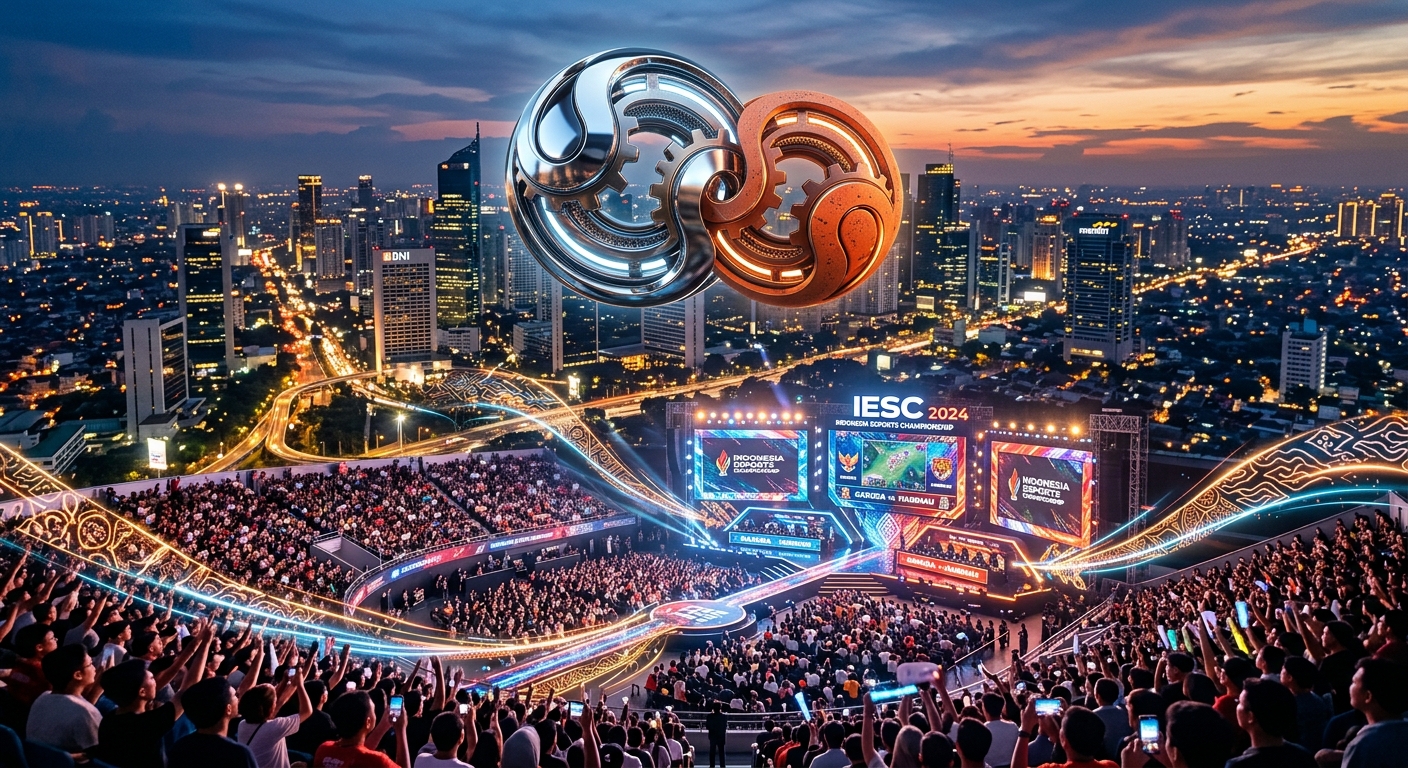
ESL FACEIT Group, the Tencent-backed esports giant shaped by Savvy Gaming Group's reported $1.5 billion acquisition of ESL and FACEIT, has purchased Dunia Games, one of Indonesia's most established grassroots tournament organizers. The price was not disclosed. What was disclosed, implicitly, is a direction: Southeast Asia is no longer a market ESL FACEIT Group is willing to orbit from a distance.
The Deal and What It Means
Dunia Games did not make its name running LAN finals in Singapore convention centers. It built its audience one community bracket at a time, attracting players who will never appear on a global broadcast but who fill the amateur layer that keeps any competitive scene breathing. That is exactly the asset ESL FACEIT Group is buying, and it cannot be replicated through a marketing budget or a licensing agreement with a local broadcaster.
The acquisition is a declaration more than a transaction. ESL FACEIT Group has spent years consolidating control over Western and Middle Eastern esports infrastructure. Adding Dunia Games says plainly that the organization's next frontier is the emerging market corridor, starting with a country of 270 million people where the median gamer is young, mobile-first, and already deeply embedded in community tournament culture.
Southeast Asia as a Strategic Prize
Indonesia is the fourth most populous country on Earth. Its gaming population skews young, spends heavily on mobile titles, and has produced competitive scenes in Mobile Legends: Bang Bang and PUBG Mobile that routinely outperform expectations given how little institutional support those scenes have historically received from international organizers. That underinvestment was a failure of attention, not a reflection of audience quality, and ESL FACEIT Group is not the first global entity to notice the gap.
What separates this move from a generic market-entry play is the method. Acquiring a local organizer with genuine community trust is harder than launching a branded tournament series and calling it regional. Dunia Games comes with something that takes years to earn: Indonesian players and fans who already believe the brand understands them. Whether ESL FACEIT Group protects that credibility or dilutes it is the only question that matters from here.
For a sense of what community-rooted competitive play looks like at the structural level, games like Segment Storm and Star Dive illustrate how layered progression and local competition formats can coexist with broader competitive ambitions without one swallowing the other.
ESL FACEIT's Acquisition Playbook: A Running Score
This deal follows a pattern. In March 2023, ESL FACEIT Group acquired Vindex to expand its reach into physical and virtual entertainment environments, framing itself explicitly as a platform builder rather than a tournament operator. Each purchase since the original ESL and FACEIT merger under Savvy Gaming Group has added a layer: geographic reach, functional capability, or community access that the existing brands could not generate organically.
The Dunia Games acquisition fits that architecture precisely. Indonesian grassroots tournaments can now theoretically feed into FACEIT's platform ecosystem, giving amateur players a competitive ladder that extends beyond their country's borders at an institutional scale that has never existed before in this region. That is a genuinely new structural possibility for Indonesian esports, and it deserves to be said plainly before the skepticism kicks in.
- Savvy Gaming Group acquires ESL and FACEIT for a reported $1.5 billion, unifying two of esports' most recognized brands under a single ownership structure with deep Saudi sovereign wealth backing.
- ESL FACEIT Group acquires Vindex in March 2023, signaling a move toward physical and virtual entertainment environments beyond pure tournament operation.
- ESL FACEIT Group acquires Dunia Games, entering Southeast Asia through an existing community brand rather than a greenfield launch.
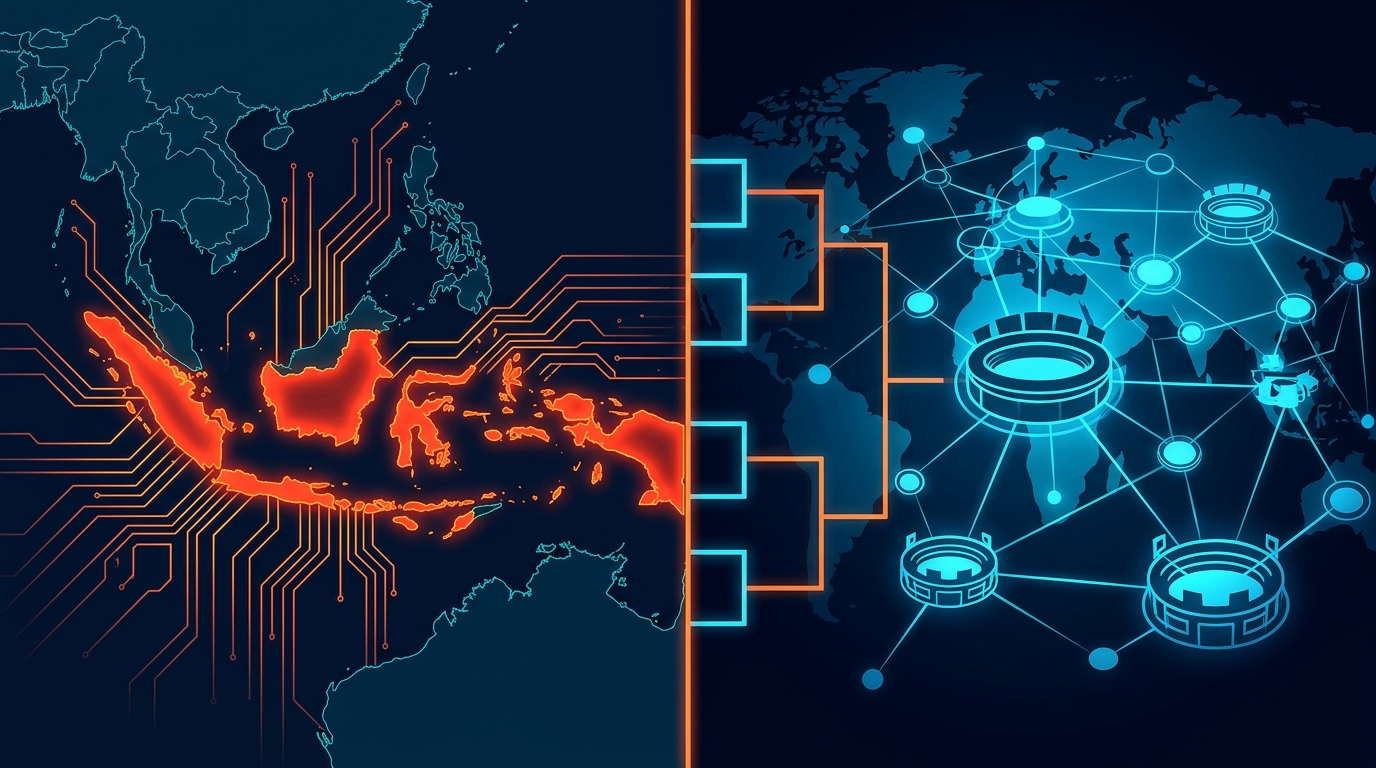
- The immediate test: whether Dunia Games retains its local programming slate or shifts toward titles and formats that serve ESL FACEIT Group's international sponsor portfolio.
- The medium-term signal: whether Indonesian grassroots players report a meaningful pathway into FACEIT's broader ecosystem, or whether the ladder exists only on paper.
- The regional read: how other Southeast Asian grassroots organizers interpret this deal, specifically whether they see ESL FACEIT Group as a potential partner or a competitive threat wearing a friendly acquisition offer as camouflage.
Risks, Skeptics, and What Comes Next
The criticism of large esports conglomerates acquiring community organizers is not abstract. It is grounded in repeated precedent: a local brand gets absorbed, the programming gradually shifts toward globally standardized formats, and the community that made the brand valuable in the first place drifts toward newer, scrappier alternatives. Indonesia's gaming community is sophisticated enough to track that pattern in real time.
The specific risk here is title selection. Dunia Games built its audience on the games Indonesian players actually love, which are not always the games that fit neatly into ESL FACEIT Group's international broadcast and sponsorship structures. If the competition calendar shifts toward ESL's flagship PC titles at the expense of mobile-first formats, the audience will notice before any press release acknowledges the change.
There is also the question of operational autonomy. ESL FACEIT Group could run Dunia Games as a semi-independent regional brand, preserving its programming voice while adding infrastructure and reach. Or it could fold Dunia Games into a standardized operational template, stripping out the local specificity that justified the acquisition cost. The coming six months of tournament announcements will answer that question more honestly than any official statement about honoring local culture.
The deal is real, the opportunity is real, and the risk is real in equal measure. ESL FACEIT Group has the resources and the architecture to build something genuinely useful for Indonesian esports. Whether it chooses to is a different kind of question, and the Indonesian community is not going to wait patiently to find out. They will vote with their registrations.
Sources

Priya Nambiar covers competitive gaming and emerging esports ecosystems for GoAndGame, with a particular focus on Southeast Asian scenes and grassroots tournament culture. She came up through community forums before moving into sports journalism, and that background shapes everything she writes.


