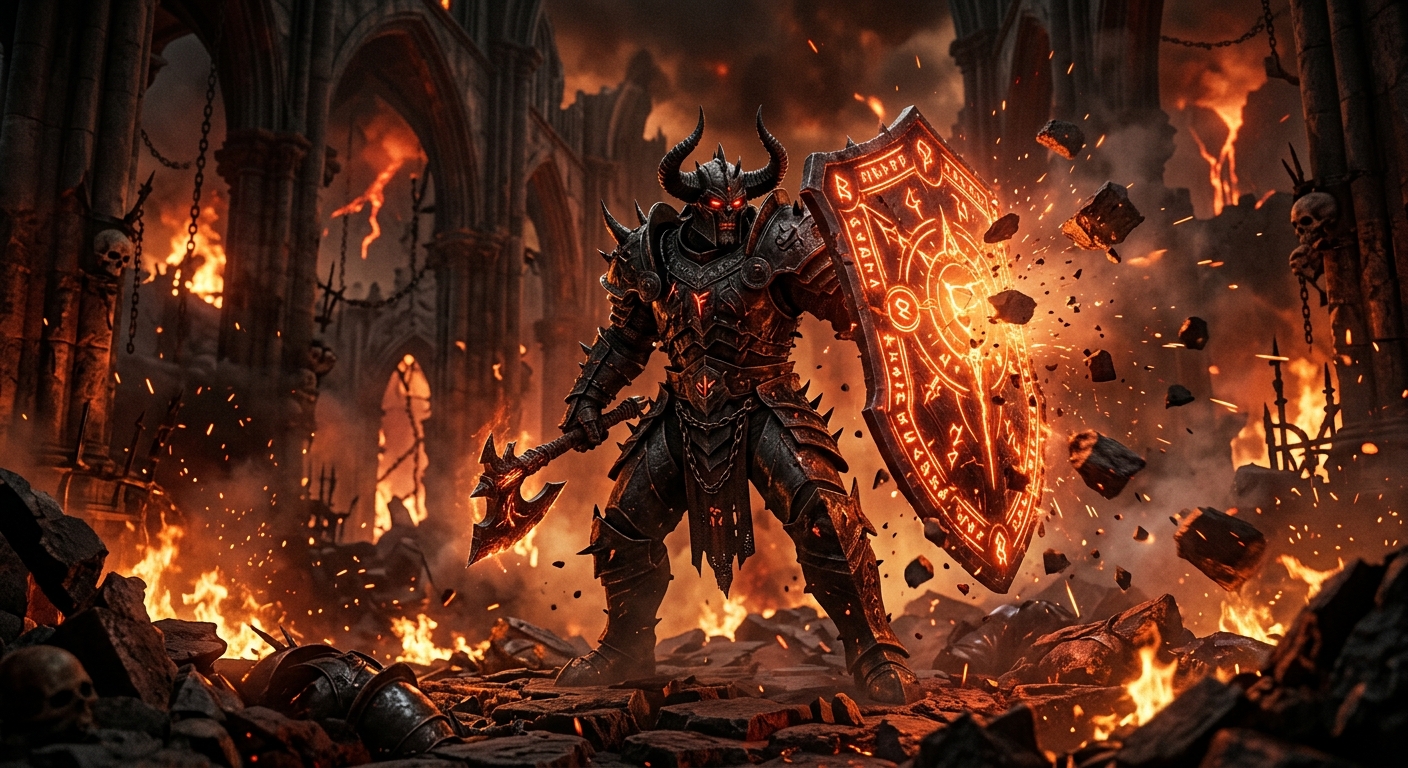
id Software released Doom: The Dark Ages on May 15, 2025, and critics showed up in force. With a Top Critic Average of 86 on OpenCritic and 94 percent of reviewers recommending it, the prequel has landed as one of the more warmly received releases of the year. Over 217 critic reviews collected on that platform alone makes the verdict feel less like a lucky cluster and more like a genuine read on the game.
A Strong Critical Reception Across the Board
The score spread tells a confident story. Game Informer handed out a 9.5 out of 10. IGN landed at 9. GameSpot and Game Rant both settled at 8. Even the more measured scores, PC Gamer at 80 out of 100 and Eurogamer at 4 out of 5, carry clear recommendations attached. The outlets covering this game serve wildly different readerships, from hardcore PC enthusiasts to console-first players, and they clustered in the same favorable range. That breadth matters. Metacritic's aggregation confirms the same positive trend, and the player rating on OpenCritic sits at 90, a tick warmer than the critics themselves.
That player number is worth pausing on. Doom Eternal drew some audience pushback at launch despite strong reviews, largely because its skill ceiling felt punishing to players who came in expecting the more accessible rhythm of Doom 2016. The Dark Ages appears to have threaded that needle better, at least based on early audience scores.
What Critics Praised: Combat, Scale, and the Shield Saw
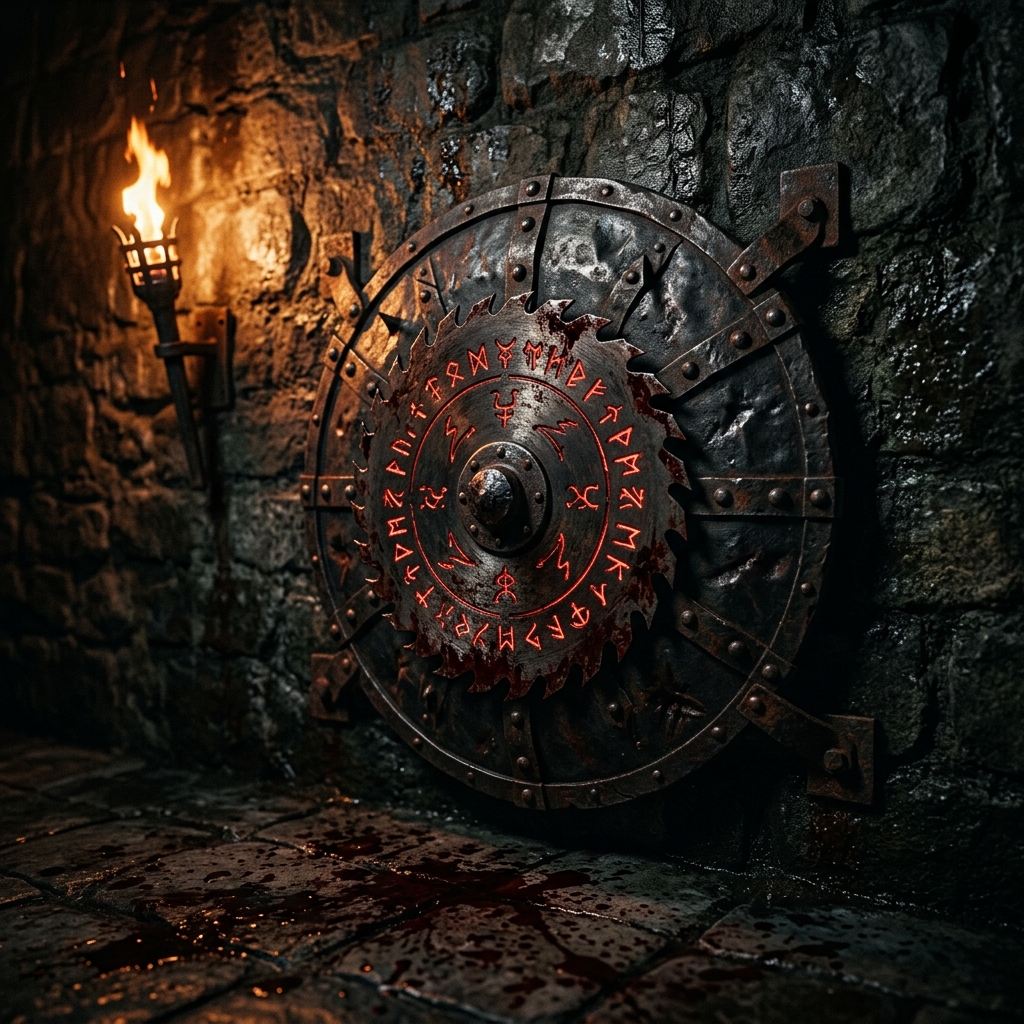
The single piece of hardware that reviewers kept returning to is the Shield Saw. It is a medieval-flavored disc that can be hurled at enemies to shred them or held up to deflect incoming projectiles. Multiple outlets called it one of the freshest additions to the series in years, which is a real compliment given how well-stocked the Doom armory already was. The Shield Saw feels like it belongs in this world without feeling like a gimmick.
Beyond that one weapon, critics praised the broader decision to slow the combat loop compared to Doom Eternal. The frantic aerial dashing that defined that game has been replaced with a more grounded, shield-forward system that rewards aggressive blocking and parrying. Reviewers noted that the new demon roster demands players learn distinct counters, which keeps veteran slayers from coasting on muscle memory built up over years of Doom 2016 and Eternal runs.
The set pieces also drew consistent applause. Piloting a dragon and stomping across a battlefield inside a giant mech are the kinds of moments that critics flagged as genuinely spectacular, not just visually but in terms of how confidently they commit to the game's medieval-fantasy tone. The sci-fi horror roots of the series remain, but the gothic aesthetic, castles, siege weapons, hellish knights, is the boldest visual swing the modern trilogy has taken.
Points of Contention: Pacing and the New Direction
The more cautious scores came with specific, reasonable concerns. TheGamer's 3.5 out of 5 and GamesRadar+'s matching score both flagged moments where the larger scripted spectacle sequences pull agency away from the player. In a franchise built on handing the controller feel back to the Slayer, those moments stand out. Eurogamer's 4 out of 5, equally warm but equally measured, questioned whether the slower, methodical pace would fully satisfy players who fell in love with Eternal's relentless movement demands.
PC Gamer's 80 pointed to narrative ambition occasionally outrunning execution. The lore-heavy medieval setting is a genuine departure, and a few critics felt it sometimes sat uneasily alongside the stripped-down power fantasy that built this franchise. That tension between story weight and pure mechanical id is a real design challenge, and not every reviewer felt id Software resolved it cleanly.
Importantly, across these more cautious reviews there is a shared acknowledgment that these are tradeoffs, not failures. id Software made deliberate choices. Some will delight players; a few will mildly frustrate them. That is a very different problem from a game that simply does not work.
Where The Dark Ages Sits in the Modern Trilogy
As a prequel to both Doom 2016 and Doom Eternal, The Dark Ages functions as an origin story for the Doom Slayer. That framing gave id Software permission to rebuild the combat vocabulary from scratch rather than adding another layer onto Eternal's already-complex movement systems. The result reads, in the aggregate, as a studio confident enough in the franchise's identity to experiment with its fundamentals.
Whether you find the slower, shield-forward loop more satisfying or less satisfying than Eternal's aerial ballet will come down to personal taste. But the numbers suggest id made a bet and it paid off. If you enjoy action games that reward learning enemy patterns rather than perfecting a movement system, something like Segment Storm or the reaction-based challenges in GoAndZap might scratch a similar itch while you wait for your next session. The core appeal of reading a situation and responding precisely is the same instinct The Dark Ages builds its combat around.
The Verdict in Two Takes
Based on OpenCritic's aggregation and the broader Metacritic picture, Doom: The Dark Ages is the rare franchise entry that changes the rules without losing the thread. Critics who wanted Eternal 2 did not quite get it. What they got instead is something more interesting: a studio willing to argue with its own best work.

Mara Solis is a staff writer at GoAndGame covering board games, tabletop strategy, and the culture around competitive play. She has spent years logging hours at game tables from local hobby shops to international conventions. Her writing blends practical insight with a genuine enthusiasm for the communities games create.


