
For most of its life, Deadlock existed in a strange liminal state: technically playable, frequently streamed, and endlessly discussed in competitive gaming circles, yet officially unannounced and reachable only through a chain of Steam friend invites that functioned more like a velvet rope than a testing methodology. That era ended when Valve moved the game into open beta, dropping the rope and letting anyone walk through.
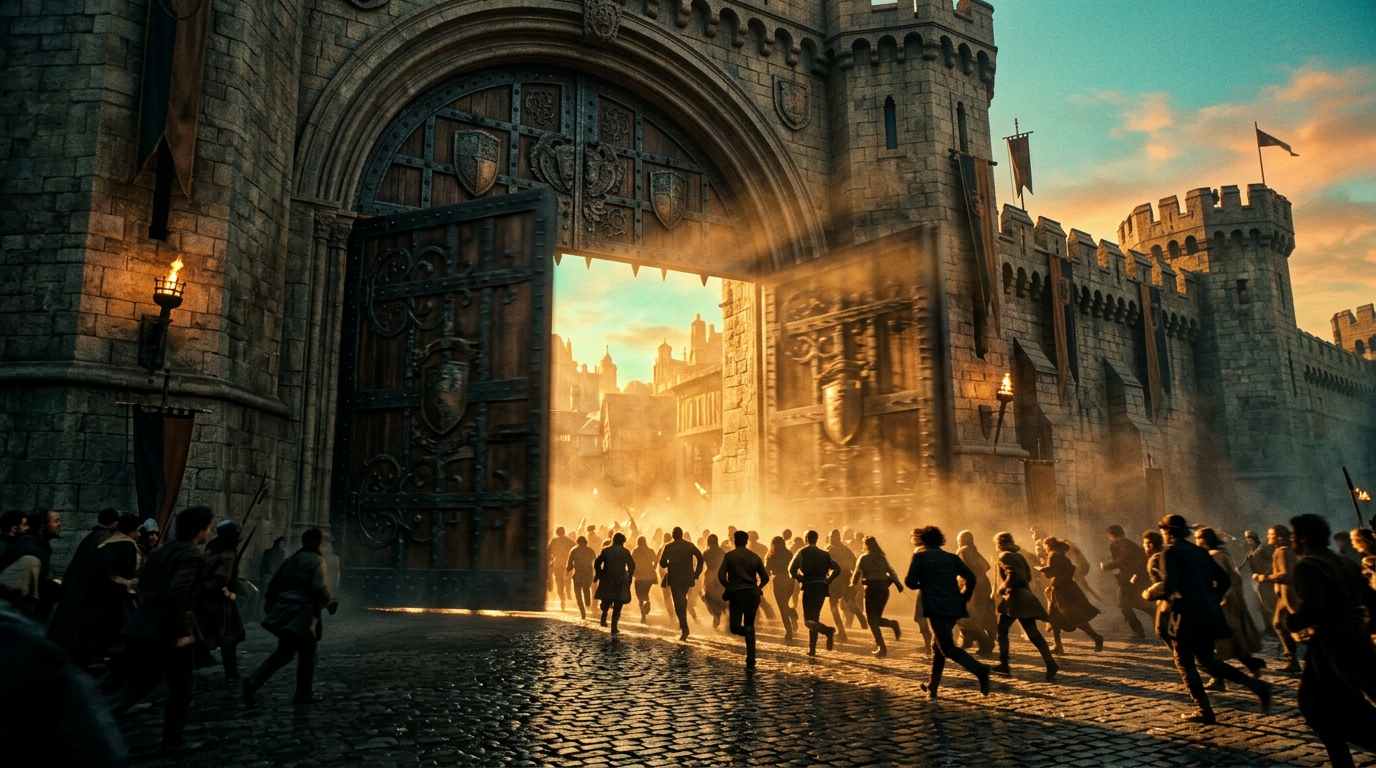
From Whisper Network to Open Gates
The closed period was a peculiar kind of marketing, whether Valve intended it that way or not. A game can generate enormous word-of-mouth when access itself feels scarce. Players who got in talked about it. Players who didn't talked about wanting in. Forum threads tracking invite availability became a minor genre of their own, and Deadlock sat atop Steam's concurrent player charts despite having no press release, no trailer drop, no announcement of any kind that fit the conventional definition of one.
Valve's transition to open beta signals something more concrete than hype management: it means the core systems passed whatever internal bar the team sets before exposing infrastructure to uncontrolled scale. That bar is famously high at Valve. The company does not tend to ship things early and patch toward stability. The open beta almost certainly means matchmaking, economy tuning, and server architecture are at a point where a sudden tenfold increase in daily users will not cause collapse. That is not a small engineering accomplishment for a game as mechanically dense as this one.
What Deadlock Actually Is
Strip away the mythology and Deadlock is a third-person hero shooter built on a MOBA skeleton. Players kill lane minions to earn souls, the in-game currency that funds itemization, while also fighting enemy heroes with the kind of high-mobility gunplay that arena shooter veterans will recognize on first contact. The map runs four lanes, connects them with a zipline transit network, and wraps jungle-adjacent spaces around the edges where teams willing to rotate quickly can contest neutral objectives and punish opponents who over-commit to a single corridor.
The genre fusion creates a learning curve that is genuinely steep in both directions. MOBA players arrive knowing about lane priority, wave management, and item builds, but then discover that losing a one-on-one gunfight will cost them all of that positional advantage anyway. FPS players arrive with mechanical confidence, then realize that ignoring the economy layer means showing up to mid-game fights with a fraction of the stat budget their opponents have accumulated. Neither skill set is sufficient alone, and that tension is exactly what makes the game interesting as a competitive format. It rewards generalists, and it punishes specialists who refuse to cross over.
Games like Segment Storm and Star Dive share that same quality of demanding competence in more than one mode of play, which is part of why fast-twitch audiences tend to migrate toward titles that layer decision-making on top of mechanical skill rather than replacing one with the other.
The Beta's Broader Implications for Valve
Context matters here. Valve has not launched a major new IP in well over a decade. The company earns the overwhelming majority of its revenue from Steam's marketplace cut, not from game sales, which means it operates under a different kind of commercial pressure than a studio that lives and dies by unit counts. That financial insulation also explains why Valve can afford to let a game simmer in closed testing for months without a formal announcement: there is no quarterly earnings call demanding a release window.
But the open beta represents a commitment that the closed period did not. Invite-only testing can be wound down quietly if results are bad. An open beta, once announced, carries community expectation. Players will build habits, create content, run tournaments, and form opinions about balance in public, and all of that becomes part of the game's reputation before a single dollar has been charged. Valve is accepting that tradeoff deliberately.
The stress-test value is also real. Invite chains produce a self-selecting sample of players who are probably more engaged than average, more forgiving of rough edges, and more likely to have friends who also understand how to play. Open beta floods the servers with everyone else, including people who will try the game once, form an opinion in twenty minutes, and leave a review. That data is more honest, and it is exactly what a team needs before locking down final systems.
Valve tends to release products only when internal confidence is extremely high, so opening the beta to all comers suggests the team believes the fundamentals are sound even if surface polish remains a work in progress.
Community Reception and Competitive Outlook
The numbers from the closed period were already striking. Deadlock routinely surfaced on Steam's concurrent player charts without a single official word from Valve, which says something direct about how aggressively its early community evangelized the experience. Players who got access did not stay quiet about it. They streamed, they posted clip compilations, they wrote tier lists and ability breakdowns, and they built a body of community knowledge that a newly opened player can actually draw on from day one. That is an unusual head start for a game at beta stage.
Esports organizations have been watching with obvious interest, and the open beta removes the last practical barrier to large-scale tournament experimentation. Closed testing made it logistically awkward to run open-bracket events because organizers could not guarantee that every interested participant could even access the game. That problem disappears now. Expect regional community tournaments to appear quickly, particularly in scenes that have been hunting for a new competitive title since the last major shuffles in the hero shooter market.
Whether Deadlock holds that competitive interest long-term depends heavily on update cadence. Valve's track record across its live-service titles is uneven. Dota 2 receives substantive patches and has maintained a healthy competitive ecosystem for years. Other projects have seen slower support cycles. A competitive community will accept rough balance as long as patches arrive consistently and the developer communicates intent. Silence and stagnation are what kill scenes, not imperfect numbers on a hero's ability tooltip.
The players who spent months inside that invite-only velvet rope have been waiting to see what happens when everyone else arrives. Now they find out.
Open betas are not launches, and Valve will remind you of that distinction whenever it suits them. But for the communities already building around Deadlock, the gate opening is the meaningful moment. Everything after is just patch notes.
Sources
- Deadlock release date estimate, latest news, trailers, and more
- Deadlock Release Date Estimate - Latest News
- After Shadow Dropping Deadlock a Year Ago, Valve Likely Gearing Up For Open Beta - Backdash
- Deadlock - The Deadlock Wiki
- Deadlock (video game) - Wikipedia
- No Deadlock Open Beta Is Planned For Now, Valve Confirms In New Statement
- Insider reveals the date for Valve's Deadlock open beta: everyone will finally get to play | Hawk Live
- DeadLock Alpha (Closed Beta) :: New to Steam

Priya Nambiar covers competitive gaming and emerging esports ecosystems for GoAndGame, with a particular focus on Southeast Asian scenes and grassroots tournament culture. She came up through community forums before moving into sports journalism, and that background shapes everything she writes.


