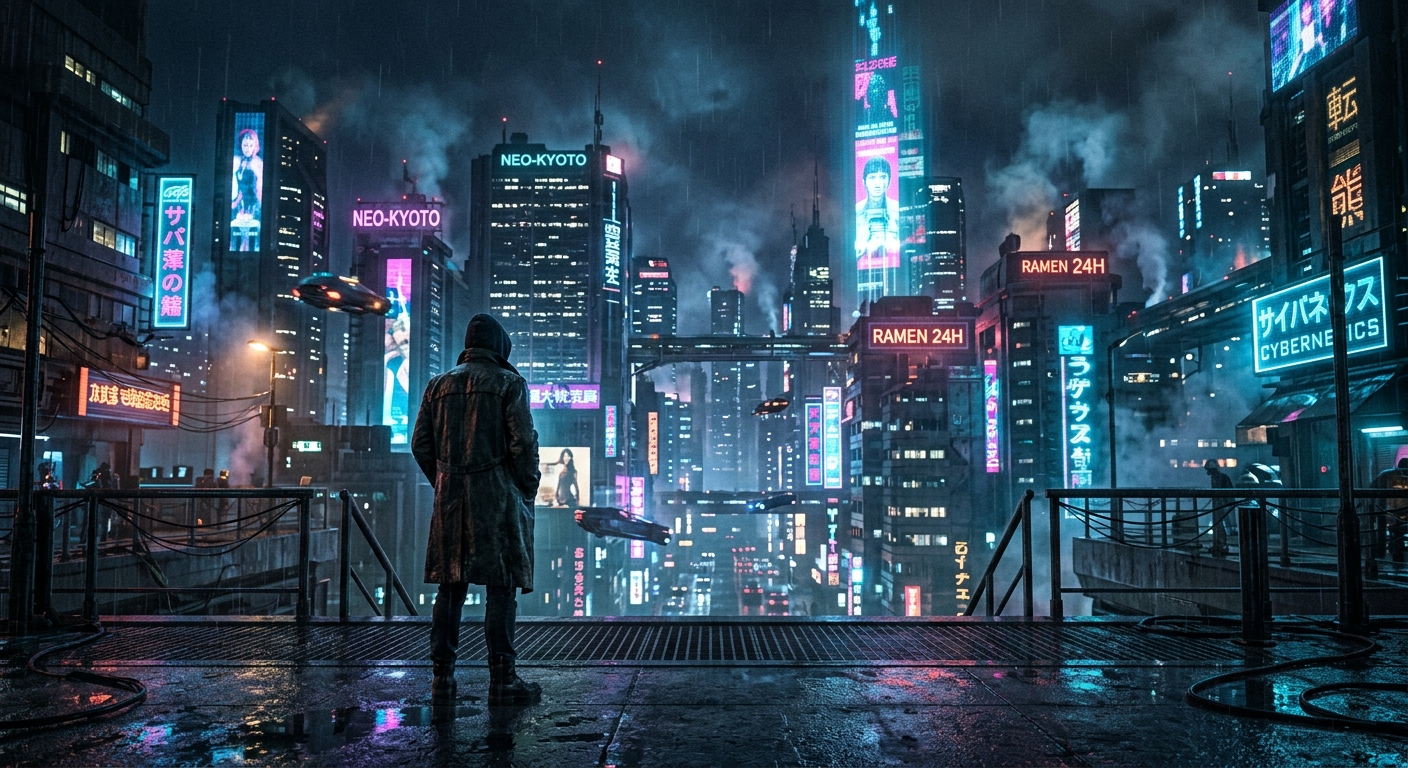
"Cyberpunk 2077: Phantom Liberty" emerged in September 2023 as CD Projekt Red's first and only expansion for their RPG, and its commercial impact was hard to dismiss. According to Statista, it sold roughly three million copies in its first week and crossed ten million as of May 2025. Those numbers matter not just as a revenue story but as evidence that players were willing to pay a full premium price, 29.99 Euro per Gamezoom, for an expansion to a game that had launched three years earlier under a cloud of bugs and broken promises. The redemption arc is part of the sales story, but the quality of the content itself is what kept people talking long after launch week.
A GPU Gauntlet Disguised as a Story
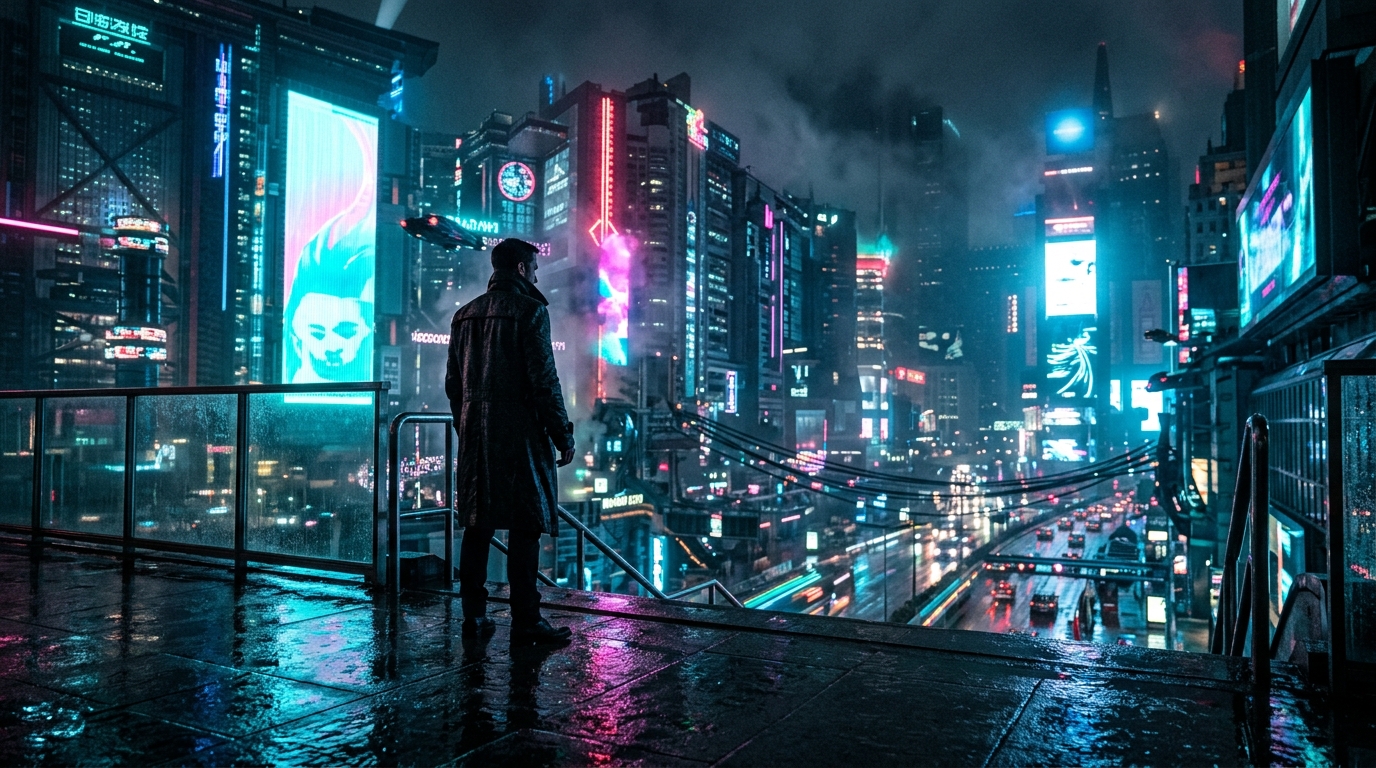
Benchmarkers jumped into stress testing almost before finishing the first act in Dogtown. TechPowerUp ran the expansion through detailed trials on more than 25 GPUs shortly after launch. The culprit was path tracing, a rendering technique that models how individual rays of light interact with every surface in a scene rather than relying on the approximations that rasterization uses. The visual results are striking. Neon signs smear wet pavement in ways that feel physically correct, and interior lighting bleeds through doorways with genuine weight. The cost is severe. Even high-end cards from 2023 struggled to maintain playable frame rates with path tracing fully enabled, which sent enthusiasts scrambling for newer hardware and turned the expansion into a de facto GPU buying guide.
That technical legacy has proven durable. Reviewers and hardware channels still pull up Phantom Liberty when they need a worst-case scenario for a new graphics card, and the path tracing mode has become a shorthand in PC hardware circles for separating the capable from the capable-with-frame-generation. Few pieces of DLC have managed that kind of ongoing relevance outside their own genre communities.
Dogtown as a Design Argument
The new district is not simply more Night City. Dogtown is a walled-off former construction zone controlled by Barghest, the private militia of warlord Kurt Hansen. Police do not patrol its streets. The laws that govern the rest of Night City do not apply here, and that absence of familiar authority changes how players move through the space. Risk calculations shift. A wrong turn in the main game might bring a wanted level; a wrong turn in Dogtown means soldiers with military-grade hardware and no interest in arresting you.
The physical design reinforces that tension. Dogtown leans heavily on vertical movement, pushing players through stacked walkways and building interiors rather than the wide boulevards of the base game's other districts. Per the Gamezoom review, the area is smaller in total footprint but denser in detail, with interior spaces and hidden corners receiving attention that a larger zone might spread thin. The opening mission drops players into that density immediately, asking them to extract the NUSA president from a crash site surrounded by hostile soldiers, and the claustrophobic geography makes every objective feel earned.
Idris Elba and the Case for Casting Budgets
Idris Elba's portrayal of Solomon Reed, an NUSA intelligence operative, is the expansion's most discussed performance. Reed is not a cameo or a brand ambassador. He has a full arc, conflicting loyalties, and a relationship with the player character that develops over the course of the main quest in ways that complicate the story's central choices. Elba brings a particular kind of controlled intensity to the role, and the writing gives him enough to work with that the performance lands as something more than a marketing asset.
Keanu Reeves returns as Johnny Silverhand, but the balance of attention shifts. Reed occupies the mentor-and-foil space that Silverhand held in the base game, and the contrast between the two characters, one a believer in institutions and one a dedicated enemy of them, gives the narrative a structural tension that holds up across a playthrough of ten or more hours. That kind of character investment is expensive and time-consuming to produce, and Phantom Liberty makes a clear argument that the expense is recoverable at scale.
The 2.0 Patch and What Comes Bundled With an Expansion
CD Projekt released the free 2.0 patch alongside Phantom Liberty, and that decision complicated the value conversation in interesting ways. The patch overhauled skill trees, police behavior, and several core combat systems for every player, regardless of whether they purchased the expansion. Some critics argued this made the paid content harder to justify. Others pointed out that shipping a substantial free update alongside paid DLC is a form of goodwill spending that creates the conditions for a sale, because a player who reinstalls the base game to try the new systems is a player already in the purchasing funnel.
The financial results suggest the bundled approach worked. CD Projekt's 2024 retrospective reported that Cyberpunk 2077 and Phantom Liberty together generated nearly 600 million PLN in earnings that year, with cumulative expansion sales exceeding eight million copies by November 2024. The studio framed those numbers as continuing momentum rather than a spike, which suggests the expansion was still finding buyers more than a year after launch. That kind of sustained commercial performance is unusual for paid DLC, and it points to a content offering that held its perceived value over time rather than collapsing after the initial weekend.
What the Benchmark Means Going Forward
Phantom Liberty did not resolve any of the industry's ongoing arguments about DLC pricing, the ethics of day-one patches, or how studios should structure post-launch support. What it did was provide a concrete data point in a conversation that tends to run on hypotheticals. A premium-priced expansion, released for a game with a troubled launch history, built around a new district and a strong central performance, sold ten million copies and kept earning for more than a year. The path tracing implementation continues to stress-test new GPU releases. The Dogtown design still gets cited when critics write about environmental storytelling in open-world games.
Those outcomes did not happen by accident. They followed from interconnected decisions about rendering ambition, casting, level design philosophy, and the decision to give existing players a meaningful free update rather than locking every improvement behind a paywall. None of those choices individually guaranteed the result. Together they produced something that the industry will be measuring other expansions against for a while.
Sources
- Cyberpunk 2077: Phantom Liberty Benchmark Performance Review - 25+ GPUs Tested | TechPowerUp
- Cyberpunk 2077 Phantom Liberty: 5 million copies sold in 2023. Also DF benchmark tests and console. | IconEra
- Cyberpunk 2077: Phantom Liberty - Test/Review (+Benchmarks) | Gamezoom
- Steam Community :: Group :: phantom liberty
- Cyberpunk 2077: Phantom Liberty global unit sales 2025 | Statista
- Cyberpunk 2077 :: Steam Community
- CD PROJEKT looks back at 2024 - CD PROJEKT RED
- Cyberpunk 2077 and Phantom Liberty share of sales by platform 2024| Statista

Alexandra Rivet explores the intricate interplay of games and culture for GoAndGame. A passionate storyteller, she delves into narratives with depth and curiosity. Her pieces often highlight the stories behind the pixels.


