Sandfall Interactive has no major commercial releases behind it. That context matters when you sit down with Clair Obscur: Expedition 33, because the game it has made does not feel like a debut. It feels like the fourth or fifth game from a team that spent years figuring out exactly what it wants to say and precisely how to say it.
A World Painted in Grief and Light
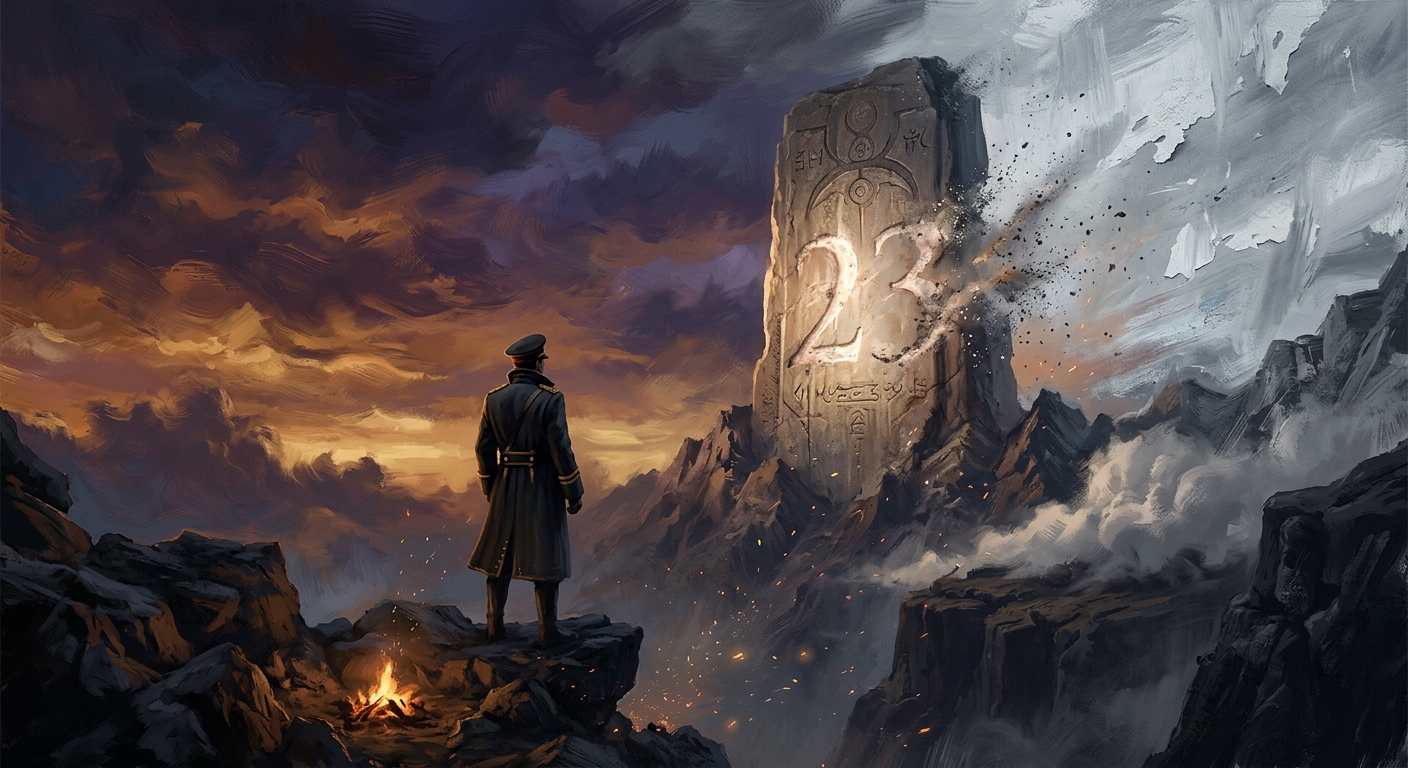
The premise is blunt and haunting in equal measure. Every year, a supernatural entity called the Paintress writes a number on a monolith and erases every person of that age from existence. The number counts down. Civilization does not flee so much as brace itself, holding dinner parties and filing paperwork while the clock runs out. Into this quiet apocalypse steps Expedition 33, a squad of volunteers marching toward the Paintress to kill her before she paints again.
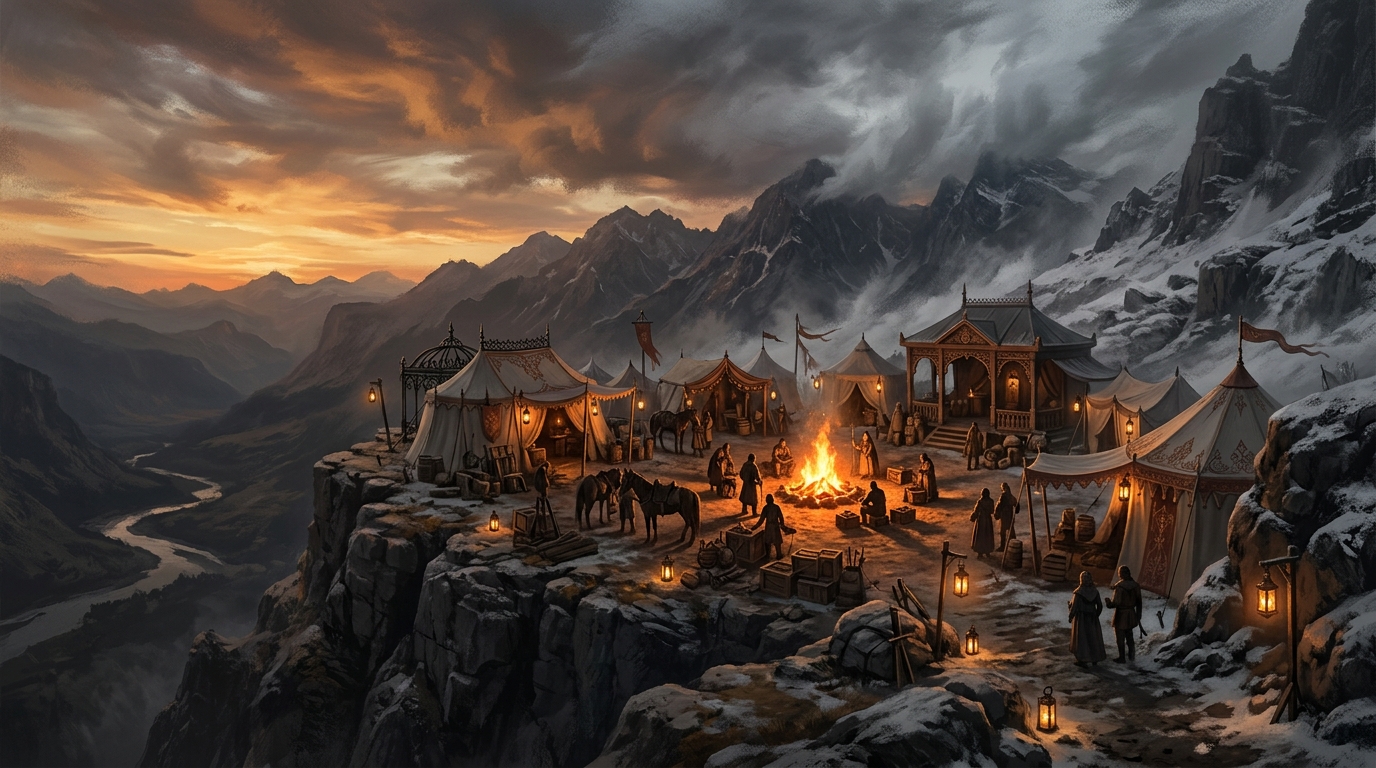
The game frames all of this through a Belle Epoque visual grammar: wrought-iron balconies, gaslit boulevards, and color palettes that look lifted from an impressionist canvas left slightly too long in the rain. What is remarkable is that this aesthetic is not decorative wallpaper slapped over a generic RPG skeleton. The environments actively shift in hue and texture as the emotional register of a scene changes. A sun-warmed expedition camp can bleed into grey ruin across a single cutscene transition, and the effect is consistently startling. Sandfall's artists have understood something that many larger studios miss: color is not mood lighting, it is argument.
Seasoned Gaming's Alejandro Segovia described the experience, at its best, as reaching "its synergetic apotheosis" in a way that leaves players "awestruck," placing it in the narrow company of games that remind you why the medium exists at all. That is a large claim, and the game earns it more often than not.
Turn-Based Combat Rewired for the Modern Reflex
The combat system is where Expedition 33 takes its biggest creative swing, and the swing connects. On the surface it looks like classical turn-based play: select actions from menus, enemies take their turns, the party rotates through. But layered into every exchange are timed button inputs, dodge windows, and parry prompts that demand you stay locked in even during the parts of combat that older RPGs used to let you coast through.
Enemy attack telegraphing is specific and readable after a few encounters, but never trivially so. Bosses in particular escalate the system until it starts to resemble a rhythm game played at high emotional stakes. That tension prevents the kind of mid-game fatigue that sinks longer RPGs, where routine encounters begin to feel like a tax you pay to reach the next story beat. The ability trees support this without overwhelming it. Specialization changes how combat feels, not just what numbers appear on screen, and the interplay between party members opens strategic combinations that reward players who experiment rather than lock in a single approach early.
NookGaming's Wes Playfair came to the game with little prior knowledge and found the combat compelling enough to carry him through a full-length RPG at a point in his life where time had made him deeply selective. In his words, Clair Obscur is "the exceptionally rare game that felt exciting, powerful, and invigorating." That kind of endorsement from a skeptical, schedule-constrained adult player says something real about how the mechanics sustain themselves across dozens of hours.
Narrative Weight and the Cost of Forgetting
The story follows Gustave and the rotating cast of Expedition 33 volunteers as they push toward the Paintress, and the writing makes a consistent choice that separates it from most fantasy RPGs: the characters are defined by specific losses, not archetypes. Gustave does not feel like a hero template. He feels like a particular person who has lost particular things and is moving forward anyway, which is a harder emotional note to hit and a more resonant one when the game gets it right.
The Nerds of a Feather review praised the script for refusing to resolve its tragedy too cleanly or quickly, letting the weight of the world's premise accumulate rather than deflating it with a tidy catharsis on schedule. Secondary characters are given room to breathe. Perspective shifts recontextualize earlier scenes in ways that reward attentive players. Environmental storytelling is embedded in the margins of the world: notes left on tables, murals painted on walls that predate the current countdown.
The questions the game raises about memory, artistic legacy, and who gets to be remembered when history is violently truncated are not subtext here. They are the text. The aesthetic choices and the philosophical concerns point at the same target. Segovia noted that the story is at its least confident when it lays its themes on thick, and that the emotional logic occasionally outpaces the plot logic in the late game. That is a fair read. The game earns most of its gut punches, but a handful arrive slightly ahead of the scaffolding that would make them feel inevitable rather than willed into place.
Technical Performance, Accessibility, and the Debut Studio Question
Shipping a game of this scope as a first commercial release is, by any historical measure, genuinely extraordinary. Frame rates hold steady across platforms. Load times are fast. The camera system consistently finds the most painterly composition available in any given scene, which sounds like a small thing until you notice how reliably it happens and how much it contributes to the cumulative feeling of moving through a living painting rather than a rendered environment.
Accessibility options are thoughtful and substantive, including the ability to adjust or disable the real-time input demands in combat. This matters more than it might seem. Those mechanics are load-bearing. Designing around them while keeping the core experience intact for players who engage fully is real design work, and Sandfall did it without making either version feel like a consolation prize.
The criticism that appears most consistently across reviews concerns pacing in the middle chapters. The expedition structure occasionally produces stretches of exploration that feel less purposeful than the tightly constructed opening and closing acts. A more aggressive editorial pass in the design phase might have sharpened the overall shape of the experience. It is a real flaw, not a fatal one. The question the game poses in its own title, the tension between surface and substance, between visual promise and actual design, gets answered across forty-plus hours. Expedition 33 is not a perfect game. It is, however, an important one, and it arrives as evidence that Sandfall Interactive has earned serious attention well before its second project appears.
Sources

Mara Solis is a staff writer at GoAndGame covering board games, tabletop strategy, and the culture around competitive play. She has spent years logging hours at game tables from local hobby shops to international conventions. Her writing blends practical insight with a genuine enthusiasm for the communities games create.


