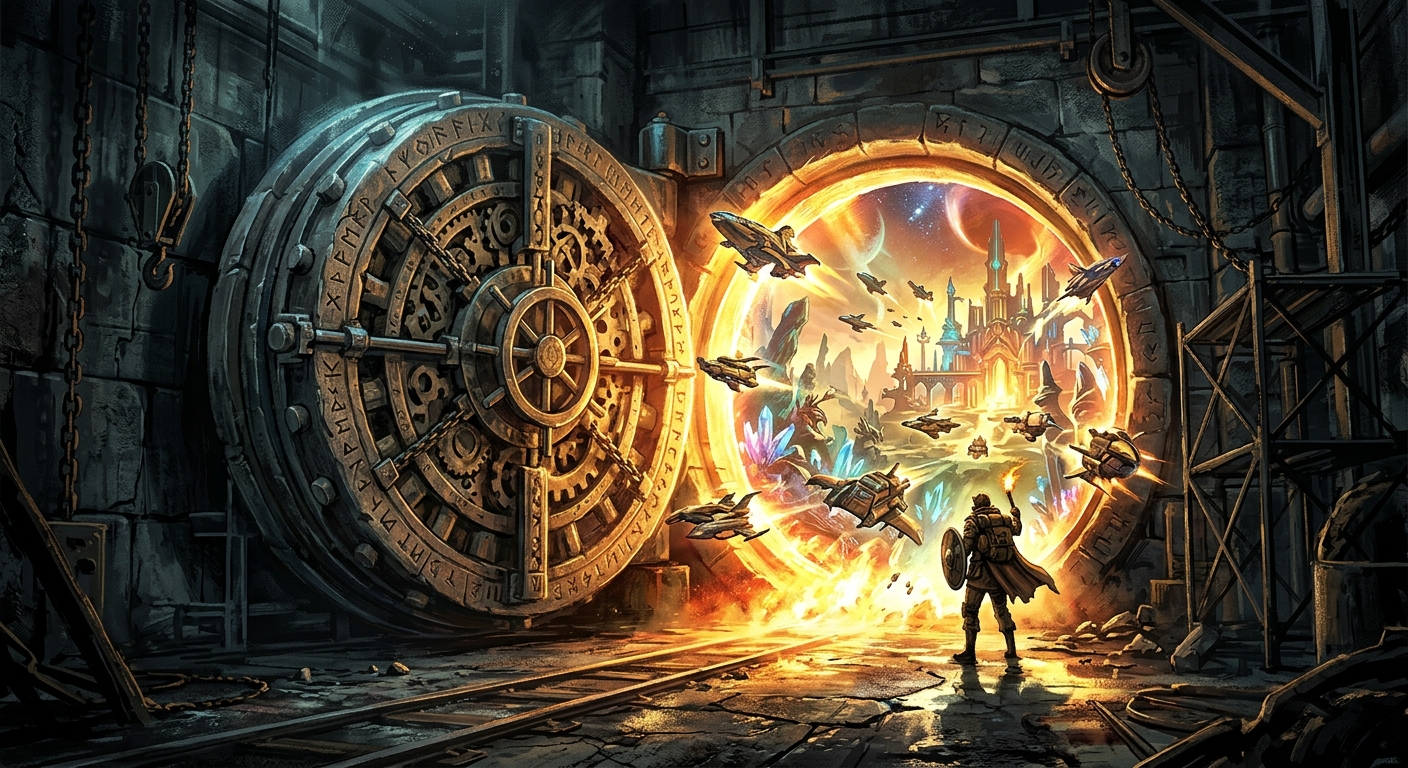
On September 17, 2026, Bungie studio head Poria Torkan and Marathon general manager Josh Deane posted a combined video and blog update that most longtime Destiny 2 players never expected to see: the studio is bringing back the content it vaulted. Campaigns, destinations, raids, all of it. The two executives said plainly that Bungie had lost player trust, and the announcement read less like a patch note and more like a letter of admission.
The Vault Opens in Reverse
The Destiny Content Vault launched in 2020 alongside the Beyond Light expansion and was sold, at the time, as a necessary housekeeping measure. A game that had grown for three years needed to shed weight, the argument went, so that Bungie could focus resources on what came next. What came next, for many players, was a game that felt like a building with entire floors removed. The studio has now officially concluded that the experiment caused lasting damage, both to reputation and to the basic relationship between developer and paying customer.
No firm restoration timeline has been published yet. Bungie described a direction, not a delivery date. But the announcement itself is the most consequential structural shift the studio has made to Destiny 2 since the vaults first closed, and the gaming press took note immediately, with outlets like Inven Global and KitGuru both flagging it as a full studio reset, not a routine course correction.
What Was Actually Lost
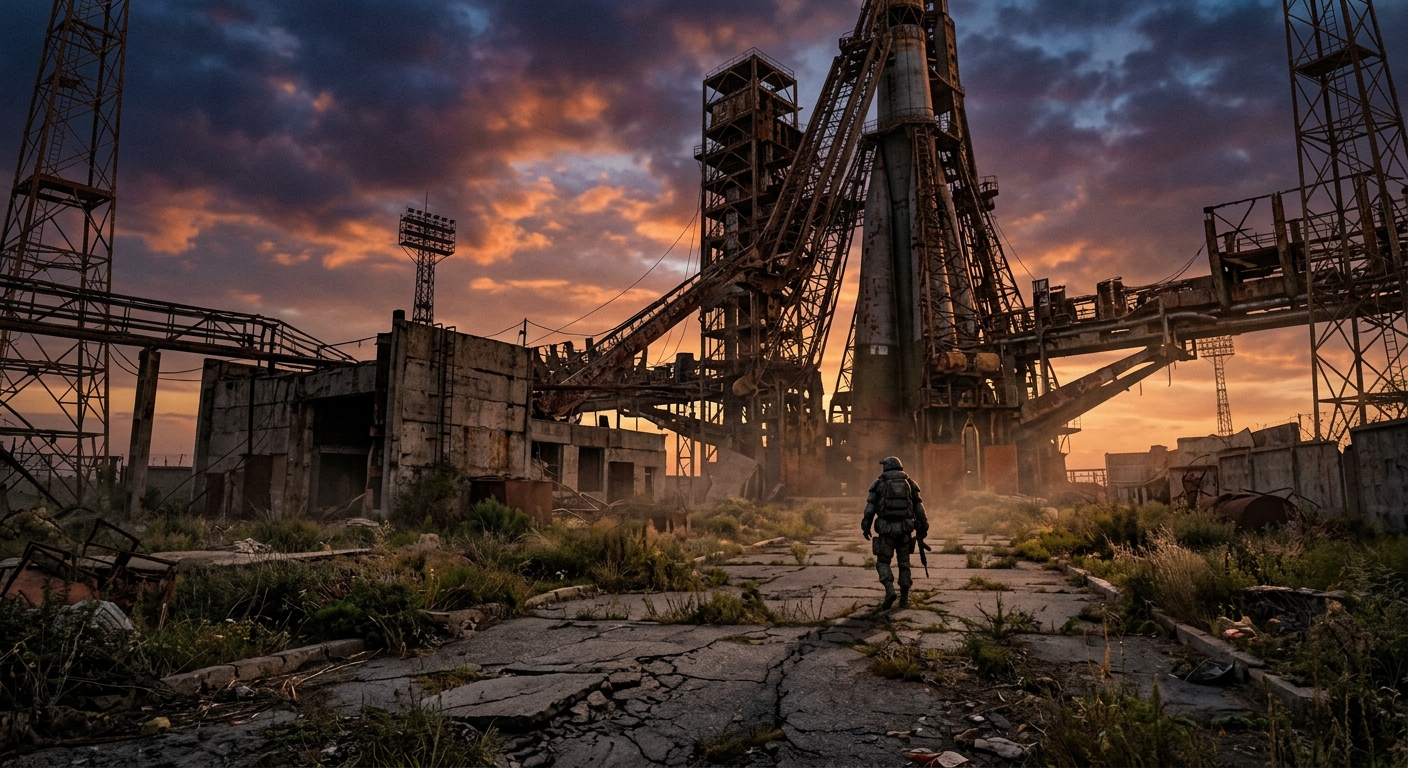
The vault was not abstract. Entire story campaigns disappeared: Forsaken, Shadowkeep, and large portions of the original Red War narrative that introduced players to the world in 2017. Destinations like the Tangled Shore went dark. Raids including Leviathan, Eater of Worlds, and Spire of Stars, which had defined cooperative endgame play for years, were pulled along with their gear and questlines. Players who had spent money on those expansions received no refund and no replacement. The content was simply gone.
The economic harm was one thing. The narrative damage was another. Players who arrived after 2020 stepped into a story full of gaps, references to characters they had never met, and emotional beats that assumed knowledge of campaigns they could not access. Destiny 2 has always carried a reputation for convoluted lore; the vault turned that complexity into something closer to confusion, and that confusion acted as a steady drain on new player retention.
Marathon and the Bigger Picture
The Destiny 2 announcement did not come alone. Bungie also disclosed that Marathon, its upcoming extraction shooter, would be changing direction. The specifics of that change remain thin, but the pairing of the two announcements signals something broader: a studio pulling back from an overstretched multi-game live-service strategy and returning to the property that defined its post-Halo identity.
That pattern is familiar across the industry. A studio announces an ambitious slate of live games, player counts soften, operating costs hold firm, and the retreat begins. Bungie's situation is a sharp example, but it is not a unique one. The sustainability questions the Destiny saga raises apply to several other ongoing games where content can be added, altered, or quietly removed at the developer's discretion, with little formal obligation to the players who paid for it.
What This Means for Players Who Already Paid
The thorniest question Bungie has not yet answered is the compensation question. Players who purchased Forsaken or Shadowkeep and then spent years unable to access what they bought are not being offered refunds, at least not as of the September 17 announcement. The return of that content restores what arguably should never have been removed. Whether that constitutes restitution or simply a correction is a distinction with real consequences for how players interpret the gesture.
Bungie's Torkan and Deane acknowledged trust had eroded. That acknowledgment matters. Public admissions of that kind are rare from studios operating under platform and publisher scrutiny, and it suggests the internal accounting of what went wrong was honest enough to survive the communications filter. Whether the follow-through matches the admission is the question the community will be watching over the next several months.
For players who log into session-based games built around permanent, repeatable loops, games where every mode you started with is still there on year five, the Destiny saga is a useful case study. Segment Storm and Star Dive are small examples of the opposite philosophy: contained, always-accessible, nothing purchased that can later disappear. The contrast is not a judgment call so much as a design fact. Bungie is now trying to rebuild toward that baseline expectation, the one that says purchased content stays purchased.
The vault reversal is real news. Whether it translates into real restoration, on a timeline that means something to players who have already moved on, is the story that comes next.
Sources

Mara Solis is a staff writer at GoAndGame covering board games, tabletop strategy, and the culture around competitive play. She has spent years logging hours at game tables from local hobby shops to international conventions. Her writing blends practical insight with a genuine enthusiasm for the communities games create.


