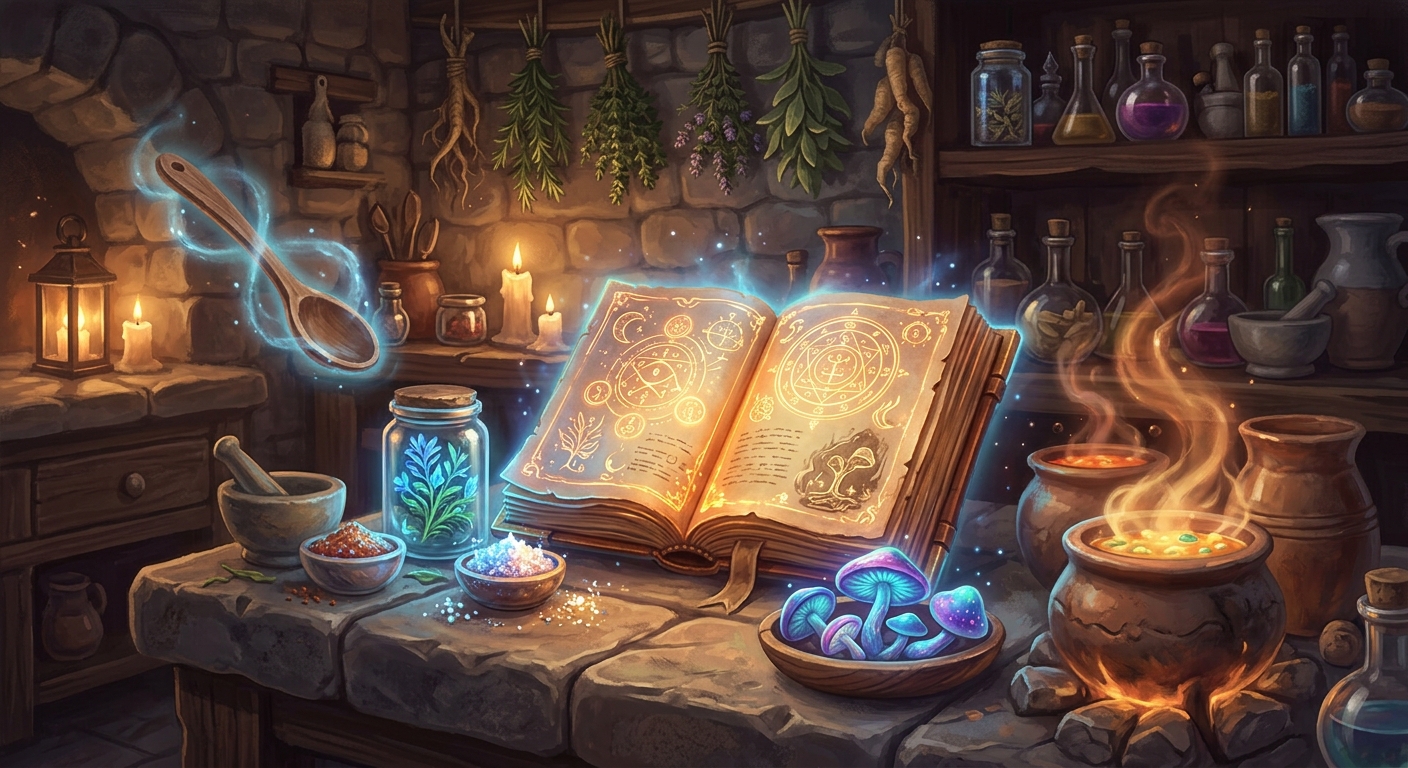
Blue Protocol: Star Resonance buries one of its best progression systems under a quiet menu tab. Cooking sits inside the broader Artisanry system, classified as a Life Skill, and it levels completely apart from your combat rank. Ignore it for the first few hours and you will eventually hit a dungeon wall where everyone else is running timed attack buffs and you are eating nothing. Getting ahead of that curve is mostly about understanding what the system actually rewards before you start grinding the wrong things.
The Culinary Life Skill at a Glance
The cooking interface opens relatively early in the main story, which makes new players underestimate its depth. At the surface level you pick a recipe, spend some ingredients, and receive a dish that grants a short-term stat effect. The real structure lives underneath that. Maxroll's Culinary Guide lays out a tiered progression where your culinary rank gate-keeps a meaningful chunk of the recipe pool. Some dishes become available automatically when you hit a rank threshold. Others only appear after you have crafted enough related dishes to trigger what the game calls recipe derivation, a quiet unlock that pops a new formula into your crafting log.
That derivation mechanic is the part most guides skip over quickly. If you treat the kitchen like a checklist, following only confirmed recipes in a fixed order, you will miss branching unlock paths entirely. The game rewards players who substitute one ingredient in a familiar recipe just to see what happens. Sometimes nothing changes. Sometimes a completely new dish appears. Think of it less like following a cookbook and more like annotating one.
Gathering Ingredients Without Wasting Hours
Ingredients fall into tiers that roughly track with zone progression. Common field plants and basic monster drops cover the early recipe pool. Rarer components tied to elite enemies or time-limited gathering nodes sit behind the highest-tier food buffs. None of this is explained prominently in the UI, which means many new players spend meaningful session time farming in zones that simply do not hold the materials they need.
The practical fix is straightforward even if the game does not hand it to you. Cross-reference community resources like the Artisanry Guide on Maxroll to map which plants grow in which zones and which creatures drop which components. Node respawn timers matter too. Arriving at a gathering spot just after another player cleared it means waiting or moving on, so learning the respawn windows for high-priority nodes saves a surprising amount of idle time.
Storage is the unglamorous problem nobody warns you about. Ingredients share inventory space with combat loot, and they stack only so far. The community workaround is either a dedicated storage character or processing raw materials into intermediate components at the station as soon as possible to free up slots. Both approaches work. The point is to build the habit early before you are drowning in leaves and ore fragments mid-dungeon session.
How Buff Types Actually Stack Up
Finished dishes grant buffs in several categories: attack power, defense, critical rate, healing potency, and stamina recovery. Most last between fifteen and thirty minutes of real time. That duration gives them real weight, not just a cosmetic bonus before a boss pull. The complication is that Blue Protocol enforces a slot limit on active food effects. You cannot eat your entire pantry before a raid and call it preparation. You have to choose a combination suited to the specific content ahead.
- Attack power dishes: strong choice for DPS roles going into high-damage check dungeons
- Defense dishes: worth slotting for first-time clears of mechanics-heavy encounters
- Critical rate dishes: high ceiling for classes with crit-scaling abilities, situational otherwise
- Healing potency dishes: essential for support roles, undervalued by players who heal secondarily
- Stamina recovery dishes: often slept on, but stamina governs gathering speed, making these a multiplier on every other life skill

- Quality-crafted versions of any dish extend duration and increase potency beyond the base values
- Critical craft rolls, triggered by premium ingredients or high culinary rank, push those numbers further
- Veteran players stockpile quality-crafted buffs specifically for difficult encounters where small percentage gains compound
- Stamina investment early pays dividends in every parallel life skill, including the gathering that feeds cooking itself
Recipes and the Derivation System
The two unlock paths work differently enough that conflating them causes real confusion. Rank-threshold unlocks are passive. You level your culinary skill by crafting anything, and when you cross certain breakpoints new recipes appear automatically. Derivation unlocks are active. They require you to experiment, to craft a known dish repeatedly or try ingredient substitutions until the log surfaces something new.
The strategic implication is that early-game cooking investment is not wasted even when the dishes seem mundane. Crafting stamina-restoration recipes first is the play most experienced players recommend, because stamina governs gathering speed directly. More stamina means faster node collection, which means more ingredients, which means more crafting, which means faster rank progression. The loop feeds itself. Hardcore Gamer's culinary life skill guide reinforces this priority, noting that the stamina recovery chain unlocks quickly and its downstream effect on gathering efficiency compounds across every hour you play.
Artisanry Integration and Why Specialization Has a Ceiling
Cooking does not sit in its own silo. The Artisanry system around it includes equipment crafting, material refinement, and enhancement processes, and several cooking recipes require processed outputs from those adjacent disciplines as ingredient inputs. A refined material from smithing can serve as a cooking catalyst, reducing the stamina cost of preparation at the station. That connection means players who invest narrowly in cooking alone will plateau faster than players who build across the broader system.
The design philosophy is visible in how the game structures its talent nodes across life skills. Generalist investment is rewarded. A player who has touched alchemy, gathering, and cooking will find their culinary progress accelerating because the systems share resources and sometimes share talent effects. The game is quietly encouraging you to build a holistic crafting routine rather than optimizing one lane in isolation. For a new adventurer trying to figure out where to put limited session time, that means the best cooking strategy is also a decent excuse to try everything else the Artisanry system offers. Think of it as the most productive form of distraction the game provides.
If you enjoy the methodical side of resource management and life-skill progression, you might find a similar satisfaction in games like Dot Chomper or the resource-chain thinking behind Segment Storm, both of which reward patient pattern recognition over brute-force play.
Sources

Mara Solis is a staff writer at GoAndGame covering board games, tabletop strategy, and the culture around competitive play. She has spent years logging hours at game tables from local hobby shops to international conventions. Her writing blends practical insight with a genuine enthusiasm for the communities games create.


