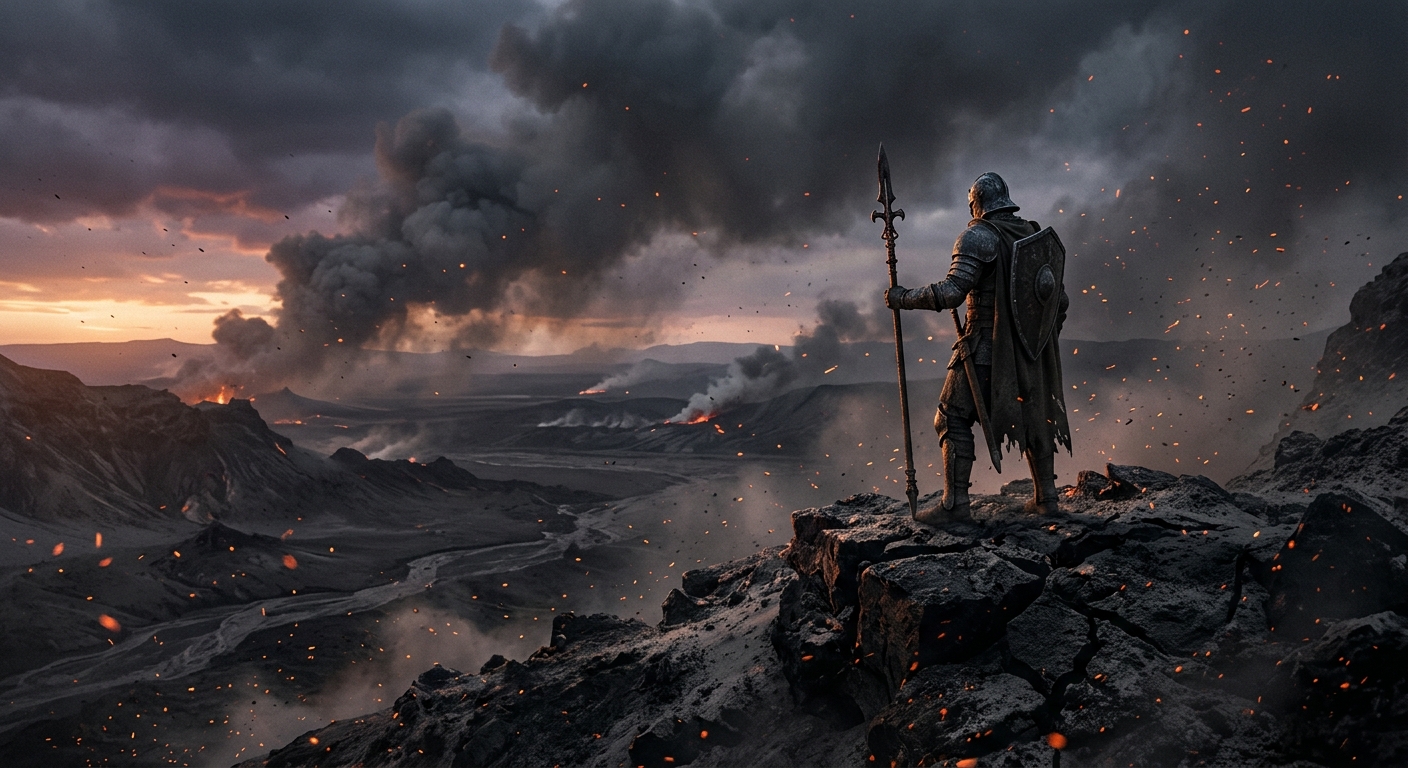
Game Science built Black Myth: Wukong on spectacle first and combat mechanics second, and that ordering carried real risk into any expansion. Shadow of the Ashen Valley is the studio's first real test of whether it can iterate on a soulslike skeleton without losing the mythic weight that made the base game a breakout hit in 2024. The short answer, after roughly ten hours in the valley's ash and dusk: mostly yes, with the caveats you'd expect from a first DLC cycle.
A Darker Corner of the Journey West
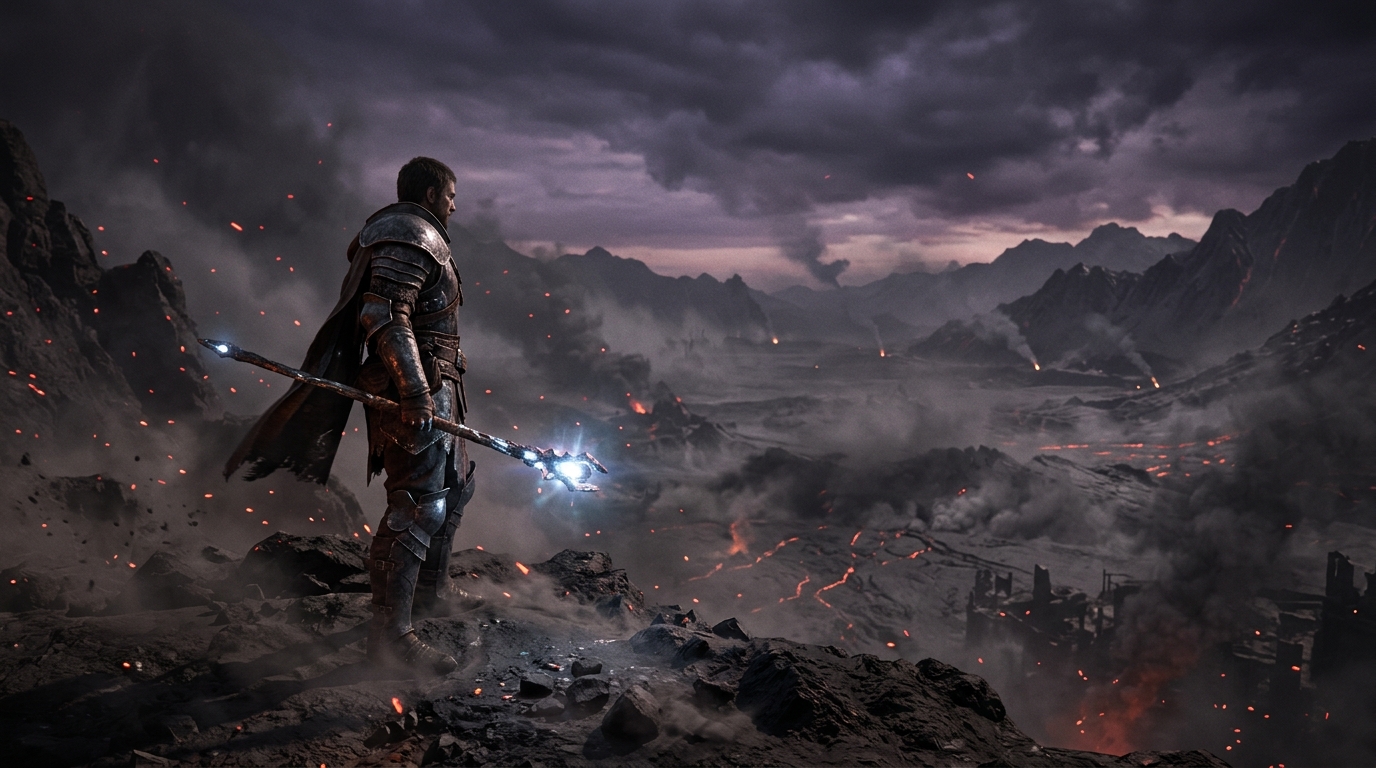
The expansion doesn't try to extend the main pilgrimage. Instead it slots in as a side-story, following rumors of a corrupted immortal who split the valley open long before the Destined One ever set foot on the road west. That framing matters for pacing. Returning players get lore-rich context without needing a full campaign replay, and newcomers to this specific chapter aren't punished for skipping ahead. The valley itself is a stark departure from the lush temples and mountain vistas of the base game, all volcanic ash and perpetual dusk, a palette shift that signals Game Science wants this content to feel distinct rather than recycled.
Where the writing earns its keep is in the optional layer. Murals tucked behind collapsed shrines and spirit conversations triggered by wandering off the critical path flesh out the valley's tragic backstory in a way the main quest line only gestures at. It's the kind of environmental storytelling that rewards community datamining and wiki-building as much as it rewards the individual player, and forum threads picking apart the lore have already started treating the valley like its own puzzle box.
Combat Additions and Boss Gauntlet
The headline mechanical addition is a cursed staff variant that layers a stance-switching system onto the existing transformation kit. It lets players blend forms mid-combo for faster, more aggressive chains, and it's the closest the DLC comes to reworking the core loop rather than decorating it. Three marquee bosses anchor the expansion, each built around a distinct gimmick. One fight obscures vision behind rolling ash clouds and forces players to read attack tells through sound cues instead of sight, a genuinely tense idea that either lands or completely alienates you depending on your comfort with audio-based combat.
Threads on ResetEra have already split over whether the difficulty curve outpaces the tools handed to players. Some posters flagged the final encounter as demanding near-mastery of a parry timing window that the DLC itself introduces, with little runway to practice it before the stakes get real. That's a fair critique of any soulslike expansion, but it's sharper here because the base game's difficulty curve was already a talking point. Enemy variety at least avoids the laziest trap: ash-warped mobs reuse animation skeletons from the main campaign, but altered hitboxes and elemental damage types keep encounters from feeling like straight reskins.
Performance, Polish, and Lingering Issues
GameGrin's original review of the base game diagnosed a case of "soulslike fatigue" that no amount of spectacle could fully cure, and that diagnosis still applies here. The DLC doesn't do much to relieve genre weariness on a structural level, though the set-piece boss battles carry enough visual ambition to paper over the familiarity for stretches at a time. Technically, the picture is mixed but trending in the right direction. Frame pacing on base consoles reportedly dips during the ash-storm sequences, an issue partially patched since launch but still visible in performance-focused threads. Load times between valley checkpoints, on the other hand, are noticeably shorter than the base game's, which suggests real engine optimization work happened during the DLC's development cycle rather than a straight content bolt-on.
Camera lock-on during multi-enemy skirmishes remains the one carryover complaint nobody's fixed. In tight cave corridors unique to this expansion, the lock frequently drops target mid-fight, which is exactly the kind of small friction that turns a tense encounter into a frustrating one. It was a known issue at launch of the base game, and its survival into the DLC says something about where Game Science's priorities sat during this cycle.
Value Proposition and Where It Lands in the Genre Conversation
A thorough playthrough runs eight to ten hours, which sits comfortably alongside comparable soulslike DLC offerings, and completionists chasing every hidden shrine and spirit conversation will stretch that further. Pricing discourse across community forums leans positive, with a lot of players framing the cost as fair given the boss content and environmental variety on offer. What the expansion doesn't do is reinvent the core loop. It sharpens what already worked, and that restraint reads less like a lack of ambition and more like a studio signaling that future content drops will be refinements rather than radical shifts.
One thing worth flagging for anyone still on the fence about the base game: Ashen Valley offers almost no onboarding for players who bounced off Black Myth: Wukong's difficulty curve the first time around. This is content built squarely for people who already finished the main story and want more of the same fight, sharpened.

Priya Nambiar covers competitive gaming and emerging esports ecosystems for GoAndGame, with a particular focus on Southeast Asian scenes and grassroots tournament culture. She came up through community forums before moving into sports journalism, and that background shapes everything she writes.


