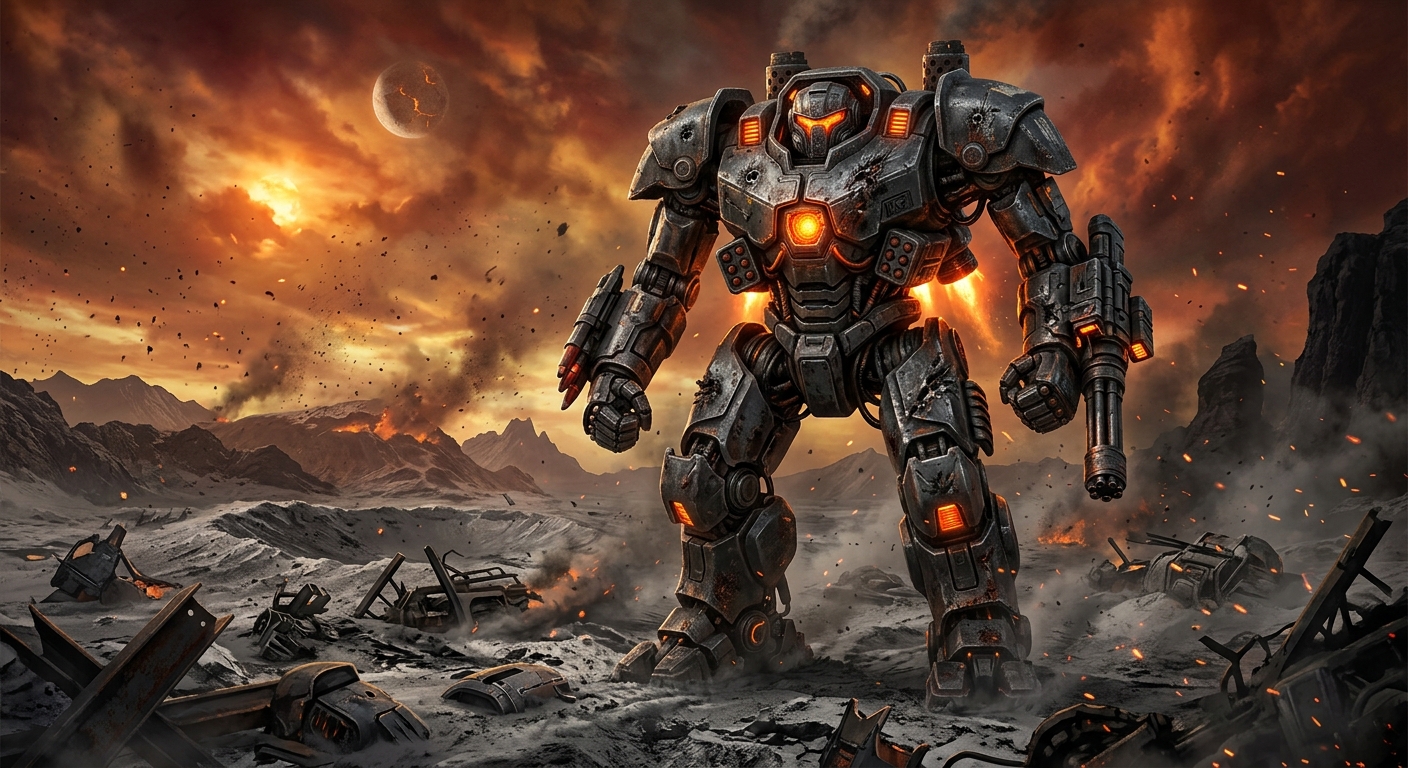
Armored Core 6: Fires of Rubicon arrived in August 2023 after more than a decade of series dormancy. FromSoftware used that time not as a liability but as room to rebuild. The result is a mech-combat game that strips away open-world padding and places you on the resource-cursed planet Rubicon 3. It scored an 86 on Metacritic, based on 76 critic reviews, firmly positioning it among the better-received releases of that year.
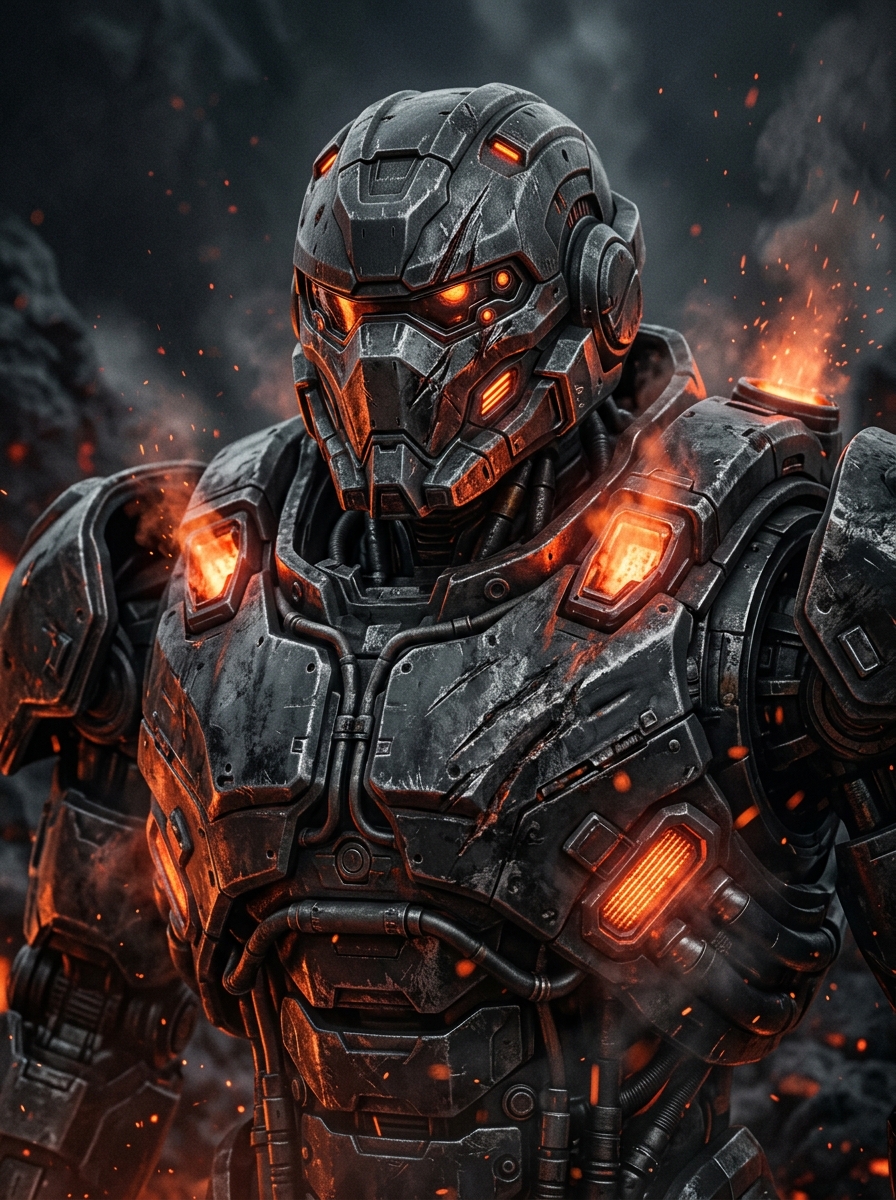
Rubicon 3 is a dying world soaked in Coral, a substance that promised clean energy and communication breakthroughs but instead triggered a catastrophe that scorched the planet and the surrounding stars. Fires of Rubicon drops players into that aftermath as mercenaries for hire. Missions begin without elaborate tutorials. The game assumes engagement from the opening sortie and does not apologize for it. As contracts accumulate, the identities of the paymasters blur, and the planet's layers of political and ecological damage come into focus.
A Storied Return to Form
The Armored Core franchise had been quiet since Armored Core: Verdict Day in 2013. Fires of Rubicon does not ease players back in with nostalgia bait. Instead, it treats the gap as irrelevant and opens on a smuggled mercenary identity, a shattered colony, and a corporate extraction race already underway. The narrative keeps alliances unstable. Handlers issue orders with conviction, but those same handlers may surface on opposing sides of a later mission briefing. The storytelling is less interested in heroes than in the question of who benefits when a planet is stripped bare, and that keeps its moral calculus genuinely unsettled through the final act.
Multiple endings reward a second and third playthrough. Choices embedded in specific missions alter which perspective the player occupies in the game's closing chapters. The cast, including the handler Walter and the rival Rusty, carries enough texture that the political maneuvering feels personal rather than abstract. This development marks a significant upgrade for a series that historically buried its lore in loading screen text. The shift toward legible, character-driven storytelling is one of the clearest signs that the decade away from the franchise changed how FromSoftware approached the material.
Combat Mechanics Under the Spotlight
Assault Boost is the engine of the combat system. It propels the mech forward in a controlled surge, collapsing distance between the player and a target in moments. Hanging back and trading fire at range works against most enemies, but it rarely works well. The game rewards closing in, reading an enemy's attack cycle, and punishing the gap between bursts. That rhythm turns what might have been a straightforward shooter into something closer to a three-dimensional brawl where positioning is as important as trigger timing. Speed and aggression are not just viable options; they are the point.
The stagger system layers tactical pressure on top of that rhythm. Every enemy carries a stagger gauge alongside their health bar. Certain weapons build stagger faster; others deal raw damage more efficiently. Learning which combination of weapons fills the gauge and which finishes the job is the central puzzle of the Assembly screen. Players who ignore the gauge will grind through armor slowly. Players who build around it will watch bosses go limp mid-attack and absorb burst damage they cannot answer. The boss encounters in particular reward prior planning. Arriving with the wrong loadout does not lock progress, but returning to the garage with a clear read on what the fight demands makes a visible difference on the very next attempt.
A Modular Approach to Strategy
The Assembly screen is where the game's strategy actually lives. Frame components, including head, core, arms, and legs, each carry specific stat implications. Heavier legs support more weapons but sacrifice boost speed. Lightweight bipedal builds move quickly but cannot sustain the same firepower. Tetrapod and tank leg configurations open entirely different movement profiles. Weapons occupy arm slots and back slots independently, and mixing short-range and long-range options in the back slots lets the player adapt mid-mission without retreating to the garage.
- Frame parts affect carrying capacity, defense ratings, and attitude stability
- Back-mounted weapons include missile arrays, cannons, and laser orbitals
- Generators and boosters carry trade-offs between output and recharge speed
- Targeting systems change lock-on speed and scan range against fast enemies
That breadth means a build that handles a midgame industrial complex with ease may collapse against a late-game aerial boss that punishes slow turn rates. The game does not penalize experimentation. Parts cost in-game credits, and missions can be replayed to farm currency. The result is a loop that keeps the Assembly screen relevant from the first mission to the last, rather than front-loading customization and forgetting it once the player settles on a favorite loadout. The garage visit between missions stops feeling like a chore and starts feeling like part of the fight.
Deeper Storytelling Layers
Fires of Rubicon carries more narrative ambition than most entries in the series. The Coral at the center of the conflict is not simply a plot device. It functions as a mirror for resource extraction dynamics, and the game lets different factions make coherent, if self-serving, arguments for their positions. The Rubiconians who survived the original catastrophe want sovereignty. The corporations want extraction rights. The independent operators want payment. Each group is right about something and catastrophically wrong about something else, and the player's mercenary status means taking contracts from most of them before the ending branches force a commitment.
Hey Poor Player, in their 90-point review on Metacritic, described the game as a departure from sprawling open worlds, one that respects the player's time through its linear, mission-driven structure. That structure pays off in the storytelling as well. Shorter missions with discrete objectives mean each sortie carries a specific narrative beat, rather than burying plot development inside hours of traversal. Faction dialogue that might be easy to skip turns out to contain the clearest statements of each group's actual interests, and paying attention to it changes how the ending choices land.
By the time the final act arrives, the planet and its factions feel earned rather than summarized. The game spent its runtime building a world in pieces, and those pieces fit. Armored Core 6: Fires of Rubicon is a focused, demanding, and genuinely surprising return. It refines what the series always did best, puts sharp combat at the center, wraps it in systems that reward thought, and trusts the player to keep up.
Sources

Alexandra Rivet explores the intricate interplay of games and culture for GoAndGame. A passionate storyteller, she delves into narratives with depth and curiosity. Her pieces often highlight the stories behind the pixels.


