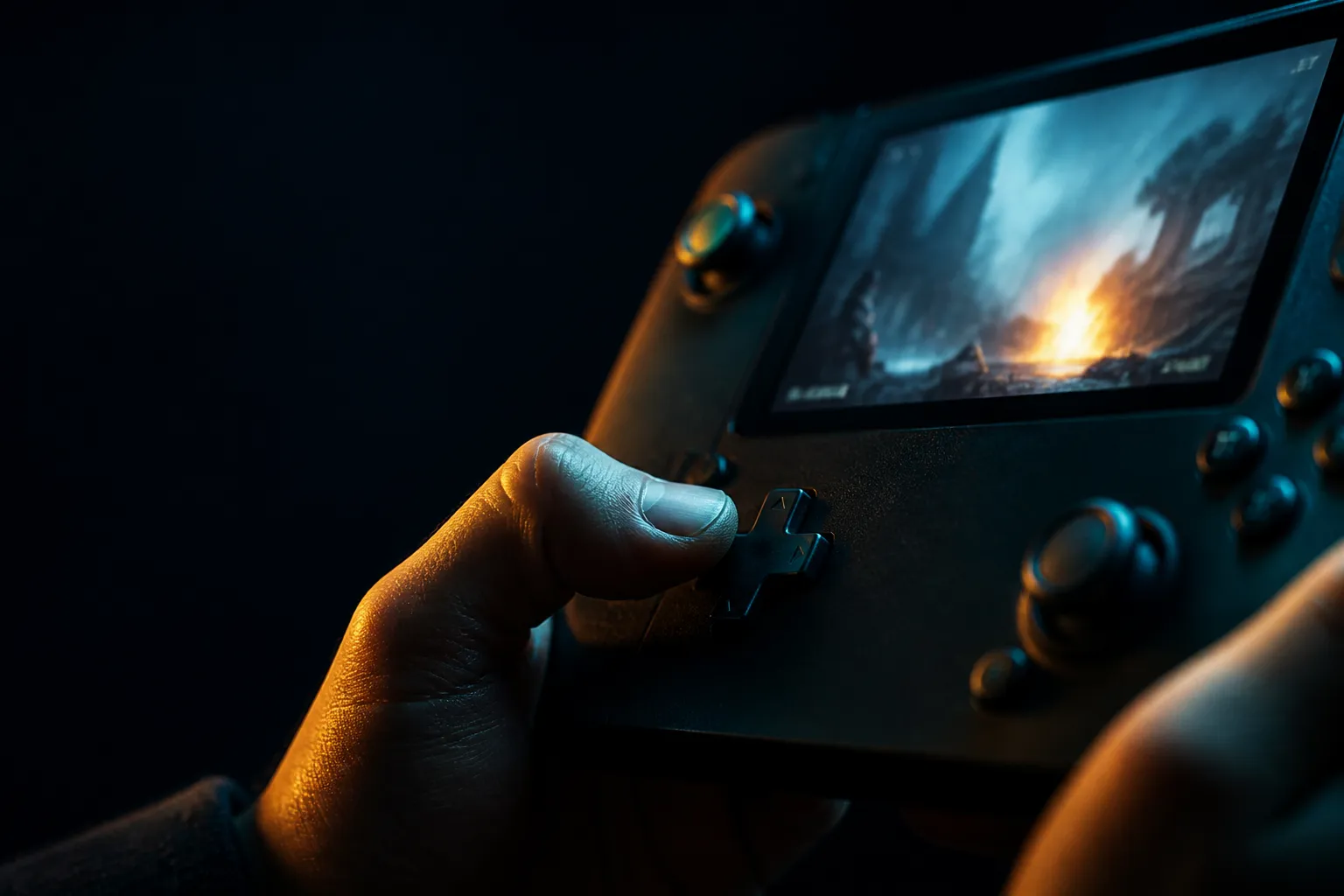
A handheld PC can be fast and still lose you a round. For competitive players, the question is not how pretty the screen is. It is whether the d-pad, sticks and buttons do what your thumbs told them to do. The ASUS ROG Xbox Ally X and its OLED sibling, the Xbox Ally X20, get plenty of praise as general-purpose handhelds. The control testing is where the caveats pile up.
Where the hardware and price stand
The Ally X costs $999. That is the same price it carried at its October 2025 launch, even as component prices climbed. The X20 costs $1,299, a $300 premium. IGN's review of the X20 calls the pair among the best handheld gaming PCs available.
Here is the catch for the premium. The X20 has a new chassis and an OLED screen, but its internal hardware matches the Ally X. You are paying for the display and the body, not extra processing power. For a player chasing smoother matches, that matters.
The Ally X's display is smaller than the Lenovo Legion Go 2 and the MSI Claw 8 EX AI+, both of which cost more. So the Ally X reads as the cheaper option in its class. That verdict rests on general impressions, though, not on competitive testing.
Face buttons, sticks and the d-pad under precision use
TechPowerUp's controls and ergonomics page is the most useful source here. The face buttons are rubber dome switches with flat tops. They feel rattlier than on the ROG Ally X and are loud when pressed. If you play late in a shared room, or you want crisp tactile feedback, that is a real mark against them.
The thumbsticks are mechanical, not Hall-effect or TMR, and match the ROG Ally X. The reviewer found them tight, grippy and smooth. They are also easier to replace. HardwareTester showed they are not perfectly circular, but the reviewer noticed no problems in play, especially in first-person shooters. A spec-sheet worry may not survive contact with an actual match.
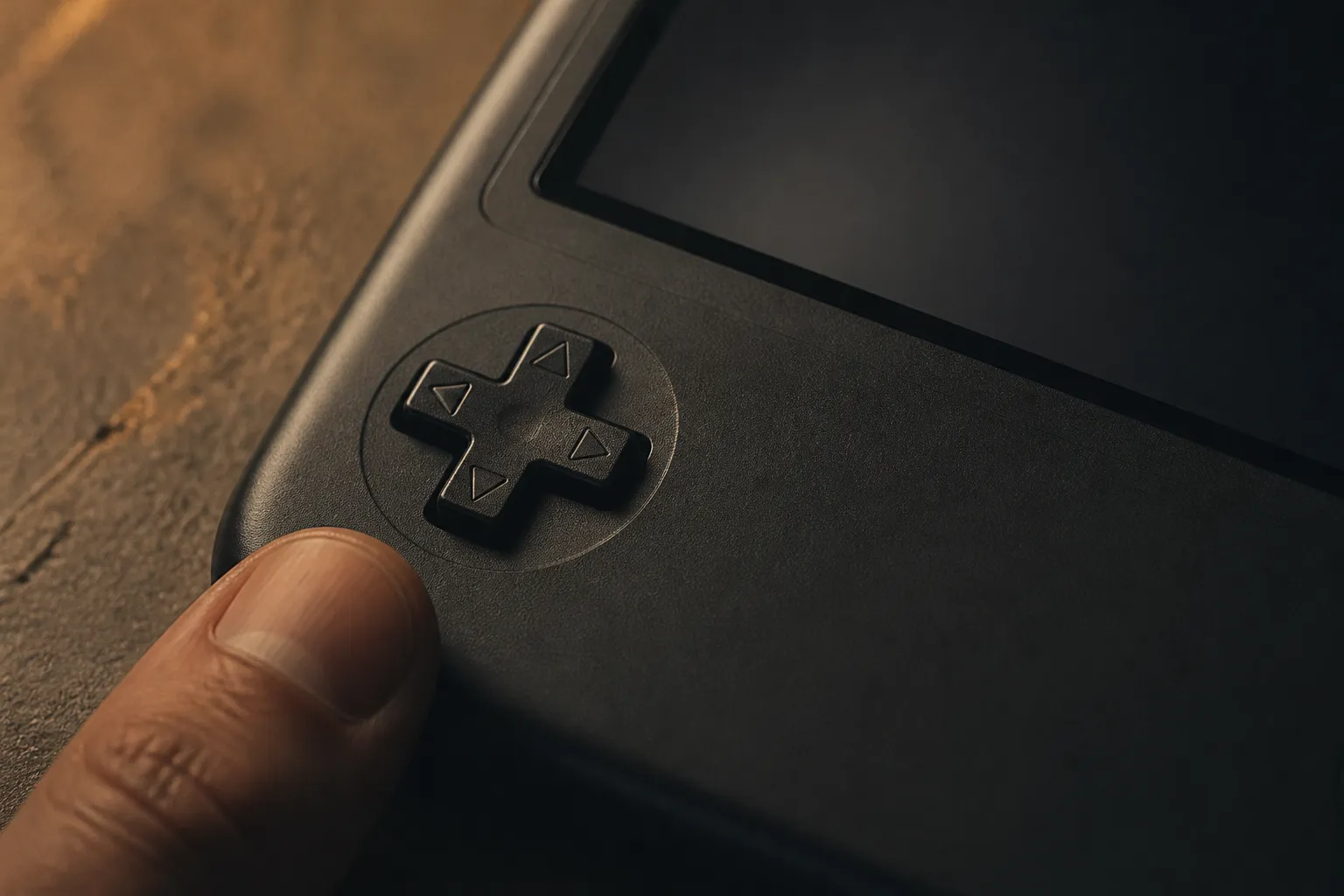
The d-pad is the sore spot. It is the same as on the ROG Ally X and is prone to mispresses in precision games like Lumines and Tetris. Press left or right and it can register up or down. Fighting game and platformer players know how that ends.
Layout, remapping and switching between handhelds
Start and Select sit in different positions than on the ROG Ally X. The reviewer mispressed buttons while moving between handhelds. Plenty of grassroots players rotate devices between a main rig, a travel unit and a borrowed one at the local. Muscle memory is not free.
The four smaller extra buttons are clicky and sharp-feeling but hard to press. The large Xbox button feels right. That split limits how often you can realistically hit the small ones mid-match.
There is some flexibility. The second extra button is remappable and opens the Xbox app's library by default. Holding the Xbox button opens multitasking, where the d-pad switches between open apps. Pressing it opens the Game Bar home tab. Handy for a lobby, less so for a clutch round.
What the current sources do not test
The gaps are large. None of the sources report frame rates, latency, input lag or benchmark results for competitive games. Any claim about responsiveness is unconfirmed. Battery life, heat and sustained-load performance are also missing, and those often decide whether a handheld survives a long bracket day.
The Tom's Hardware page in the material is only site navigation and membership text under the headline "Getting a grip on Windows gaming," so its verdict is unknown. The TechPowerUp 2D platformer section is cut off. Nothing compares performance against rival handhelds beyond display size and price, and X20 pricing is only given as $1,299.
Treat this as a controls review with a price tag attached, not a verdict on competitive readiness. I would stay skeptically optimistic and wait for latency numbers.
Who should consider which model
Pick the X20 if the OLED matters more than the money. The sources say the extra $300 is worth it for those who can afford it. If you cannot, the Ally X shares the same internals.
Then weigh precision. The d-pad and button layout can cause errors in precision-heavy titles, and that should count heavily for competitive players. If you switch between handhelds, the different Start and Select placement is a second risk.
- Do the d-pad and face buttons register accurately in the games you play?
- Does the Start and Select placement fit your muscle memory?
- Is the OLED premium justified for your use?
Test those three in a store or through a return window before committing. If the d-pad fails your main game, nothing else on the spec sheet will save the purchase.
Sources

Priya Nambiar covers competitive gaming and emerging esports ecosystems for GoAndGame, with a particular focus on Southeast Asian scenes and grassroots tournament culture. She came up through community forums before moving into sports journalism, and that background shapes everything she writes.


