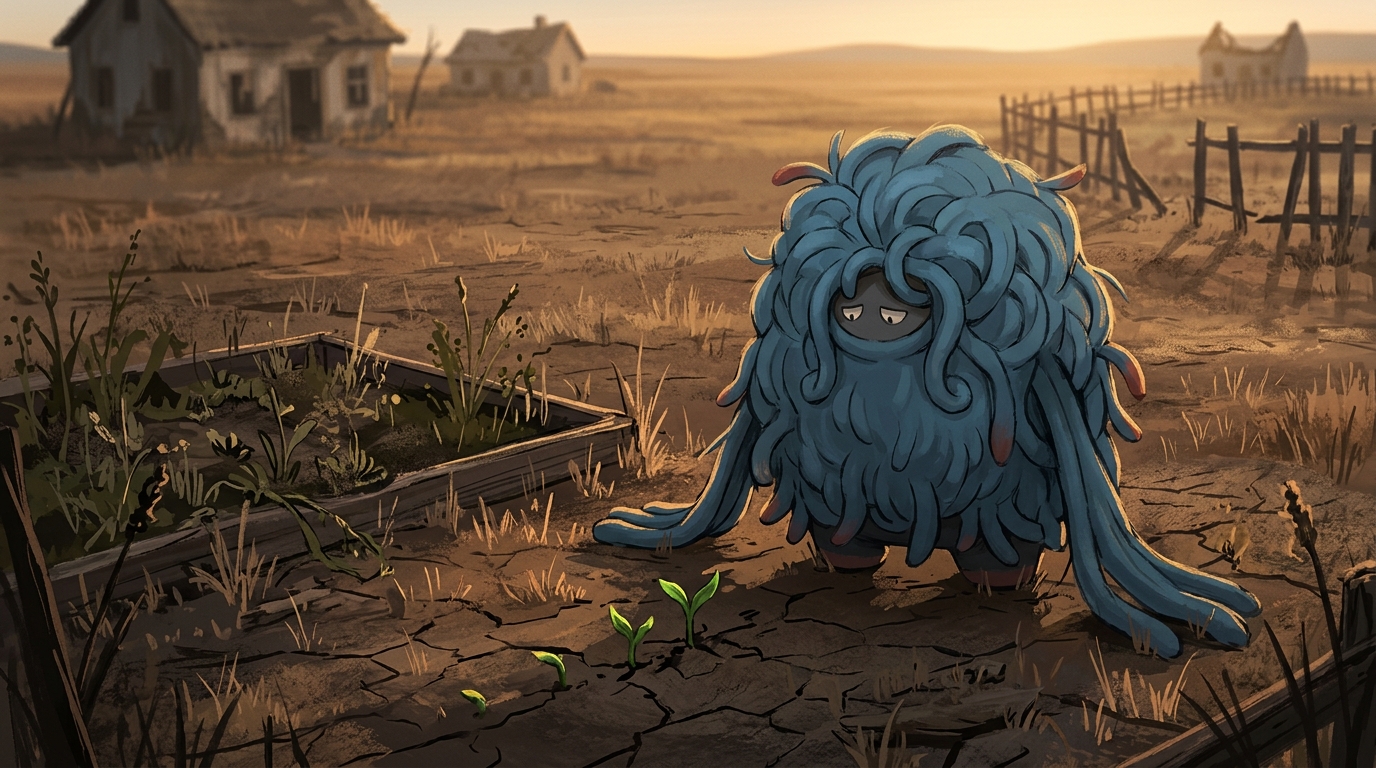
A lone Tangrowth in a withered world is an unusual welcome to a Pokémon game. People and Pokémon once lived together here, but the humans have vanished. In Pokémon Pokopia, the player arrives as a Ditto waking from a long sleep. The first question this setting raises is not which Pokémon to catch. It is what happened to the place they used to share.
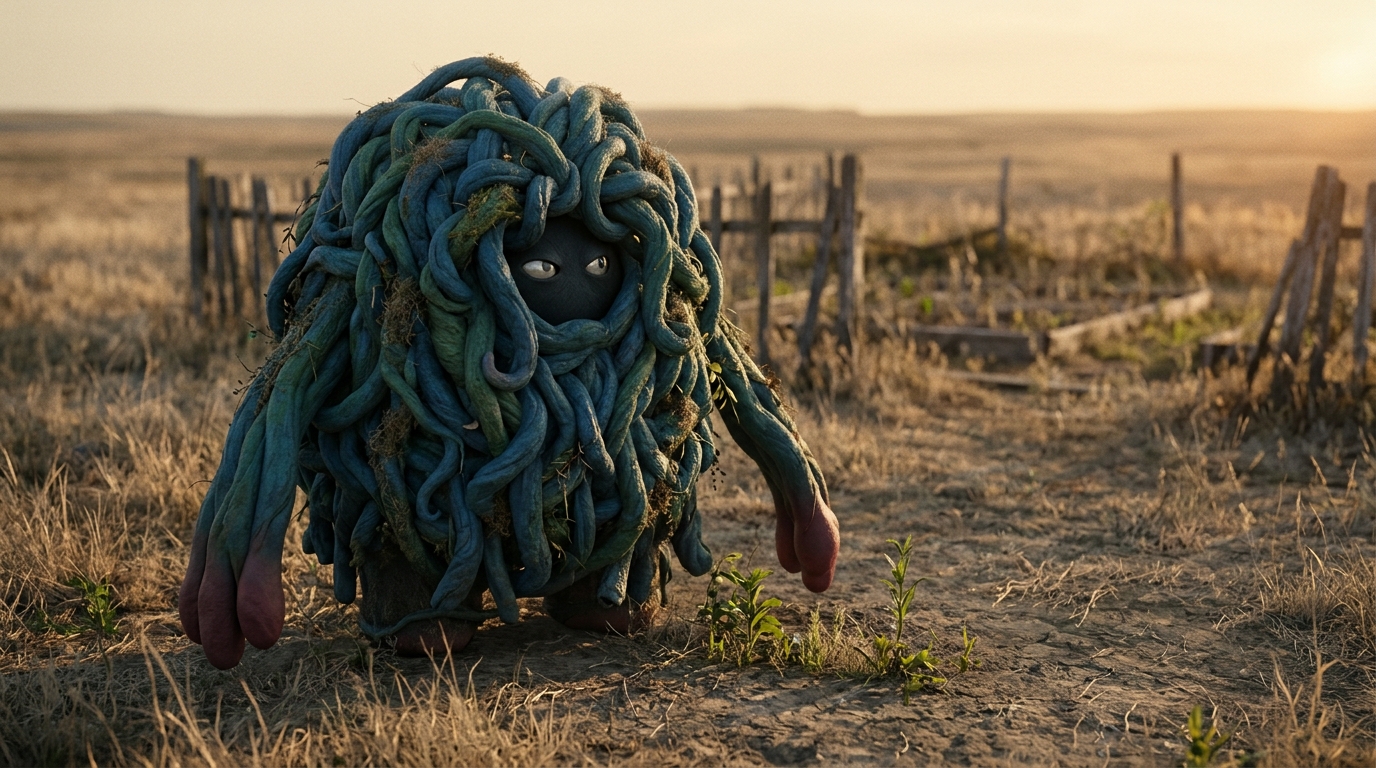
A familiar world without its people
Pokopia changes the usual sense of arrival. A new region in Pokémon often promises routes to travel and rivals to meet. This one begins with an absence. The land has withered, and Tangrowth appears to be its only remaining resident. That small detail gives the work ahead a social purpose: a garden or house might make room for someone who has not yet come back.
Released on March 5, 2026 for Nintendo Switch 2, Pokopia is a social simulation and sandbox spin-off of the main series. Its listed modes include single-player and multiplayer. The shift in genre matters because repair can take time. A player can attend to one patch of ground, then another, without the story needing to hurry them toward a championship. The setting gives those small acts a reason to matter beyond decoration.
According to the game’s encyclopedia entry, Pokémon Scarlet and Violet director Shigeru Ohmori conceived Pokopia while thinking about how much fans might enjoy cultivating their own Pokémon habitats. The premise puts a shadow behind that appealing idea. A habitat is more than a display of favorite creatures when the creatures need somewhere to live.
Why a Ditto fits the job
Ditto is a clever choice for the player character. It can transform to imitate a human, taking on a shape associated with the people who are gone. Yet the character remains a Pokémon. That leaves it in an unusual position: able to work with tools and buildings while belonging among the neighbours it hopes to help.
The store description says Ditto wakes from a long slumber with transformation skills and new crafting abilities. The broader account says it cultivates the land and assists Pokémon it finds. Together, those details suggest a gentle change in the relationship at the heart of the series. The Pokémon Ditto meets are not described simply as additions to a collection. They can teach, build, visit and play.
There is room for curiosity in that arrangement. Does imitating a human make Ditto a stand-in for those who disappeared, or does it let this community grow into something different? The available descriptions do not answer that question, and they do not explain the full reach of transformation in play. For now, its narrative pull comes from a concrete image: a Pokémon borrowing a human form to tend a place that humans left behind.
Repair as a shared activity
Pokopia names crafting, building and gardening as its main routes to restoration. Each starts with a material change. A plant grows where the ground was bare. A house offers shelter and a reason for a visitor to stay. Once work is done, the player can relax in the place they have made or invite Pokémon and friends to visit. The promise is that quiet time and companionship follow from the work, rather than sitting apart from it.
Other Pokémon contribute abilities that make the world more workable. Leafage can grow plants, while Rock Smash breaks walls. The store description also points to surfing across open seas and gliding between mountains. These moves suggest that getting around and caring for the environment are closely connected. A wall may block a route, but a plant gives the player something to nurture after the way opens.
The neighbours have a role beyond teaching moves. They can help build houses and play together, linking the practical task of making space to the pleasure of sharing it. This is where Pokopia’s premise feels most distinct. Tangrowth’s apparent solitude gives an empty house a different meaning. It could become a sign that someone is expected.
What remains beyond the description
The published summaries establish the shape of Pokopia, but they leave much of its daily life unexplained. They do not give a full crafting list, a complete Pokémon roster or a clear account of progression. Multiplayer is listed as a mode without an explanation of what players do together. Those gaps matter in a game built around neighbours: inviting a friend to visit and working side by side could feel quite different.
There are practical unknowns, too. The Nintendo UK page’s price field does not supply a base-game price. It lists an Expansion Pass as paid downloadable content, but gives no details about its contents or any bundle that includes it. Claims about new areas or Pokémon in that pass would get ahead of the information available.
For now, the clearest promise is the one contained in the opening situation. A Ditto wakes, finds Tangrowth in a damaged place and begins making it livable. The craft of a house, the growth of a plant and the arrival of a neighbour all have a place in that story. How deeply the game follows through depends on systems the short descriptions cannot show. The reason to keep watching is simple: it has made the act of welcoming someone feel as consequential as setting out on a journey.
Sources

Alexandra Rivet explores the intricate interplay of games and culture for GoAndGame. A passionate storyteller, she delves into narratives with depth and curiosity. Her pieces often highlight the stories behind the pixels.


