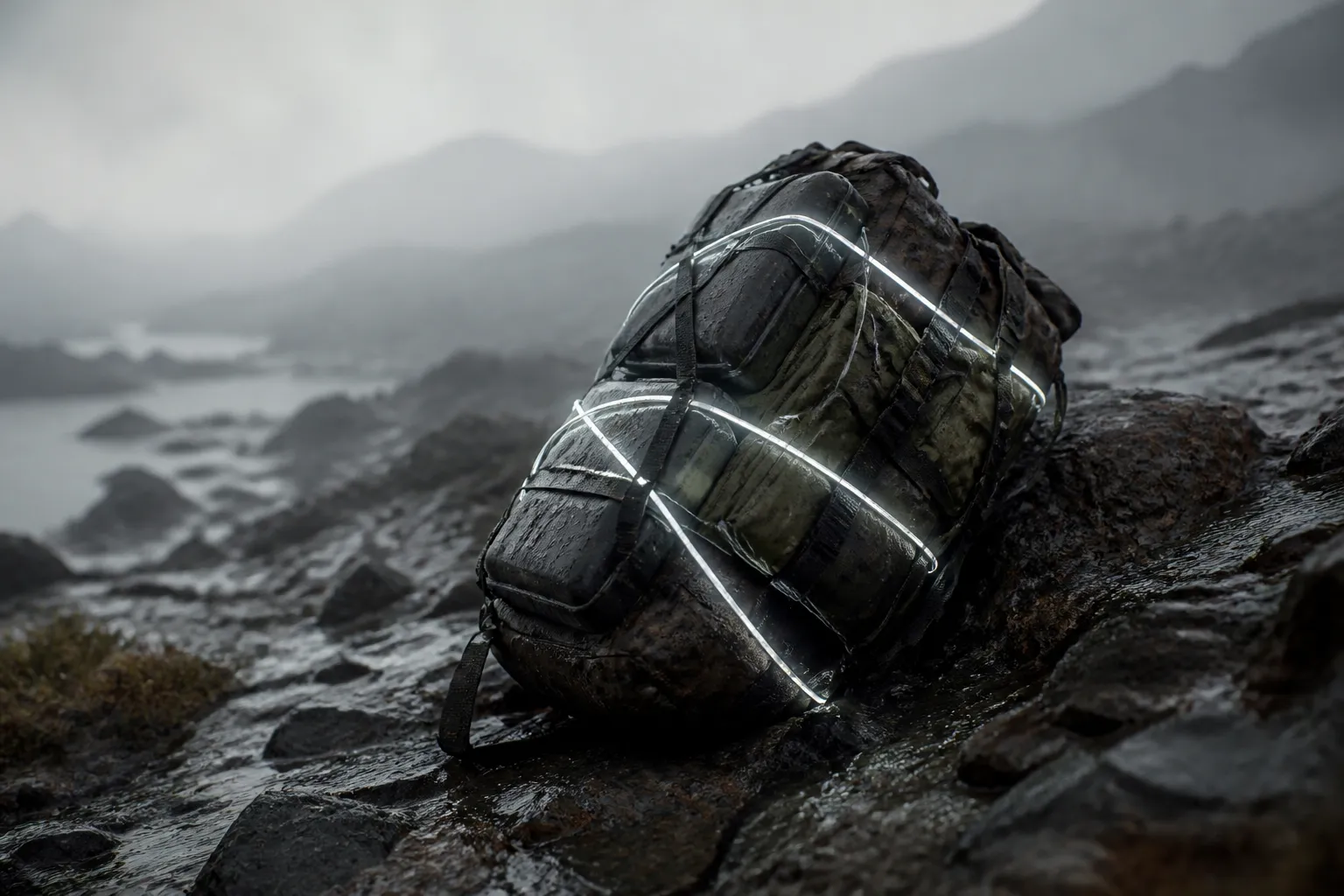
A delivery in Death Stranding 2 can feel settled until one awkward bump sends a parcel loose. The Strand gives Sam a way to tie cargo together before that happens. It is a useful step toward a safer journey, but it cannot make a bad route harmless. The choice of where to walk, and when to leave cargo in shelter, still matters.
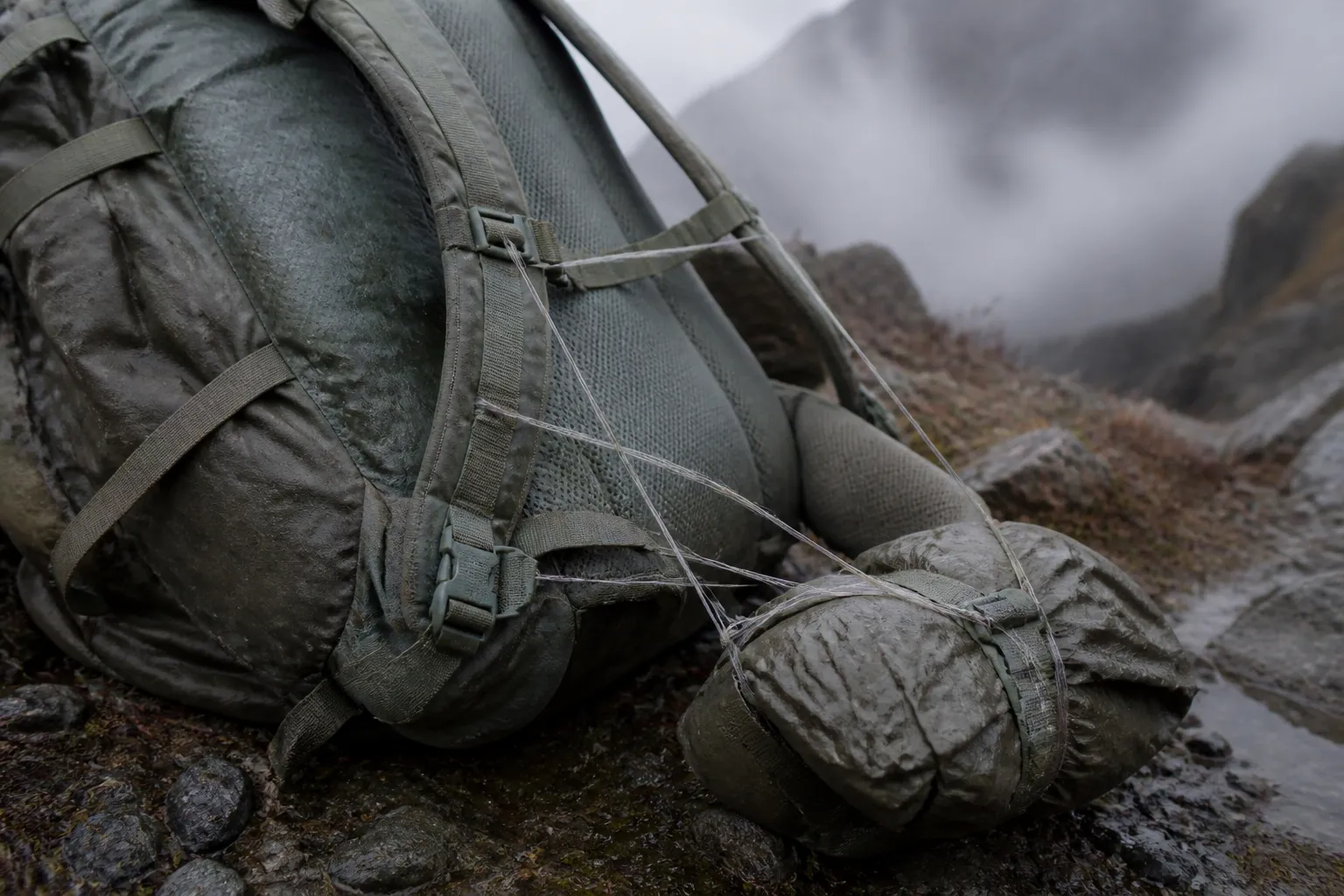
Think of securing cargo as preparing for the ordinary mishaps of travel. Even a careful walk can involve a stumble or a knock. Tying the load gives it a better chance of staying with Sam when the ground does not cooperate.
That distinction matters because “secure” sounds more absolute than the guidance allows. Cargo can still be affected by tumbles and accidents. If the route ahead looks difficult, the Strand should be one part of the plan, not the reason to stop watching the terrain.
There is also a limit to what this advice can tell you about packing. The available guidance explains how to tie cargo down, but it does not establish a best order for stacking parcels. Start with the step the game does make clear: secure what you are carrying, then judge the journey ahead.
What securing cargo actually does
The Strand ties cargo to Sam’s backpack, making the load more stable during travel and less likely to fall off after a bump or tumble. According to Eurogamer’s cargo guide, the method also works with floating cargo. That makes it useful beyond the parcels sitting directly on Sam’s back.
There is no stated percentage of protection to build a route around. The guidance describes a lower risk of losing cargo, not immunity from impact. Keep that difference in mind when the path narrows or a dangerous area forces a hurried crossing. A tied load may be steadier, but it still deserves care.
How to tie down your load
First, hold Triangle to unload the cargo from Sam’s backpack. Press right on the directional pad to open the weapon and tools menu, then equip the Strand from its “special” section. Walk up to the backpack with the Strand equipped and hold L2. Once Sam is close enough, press R2. He will use the Strand to tie the cargo on the backpack together.
You can use the same approach for floating cargo. Give yourself room to get close enough for the R2 action rather than trying to do it while already moving on. The reported Strand method was found after reaching Australia and completing a few orders there. The available guidance does not confirm whether it can be used earlier, so do not assume an early delivery will offer the same option.
Know when the Strand is not enough
Securing cargo whenever you can is sensible, including before a route that looks manageable. Parcels can fall off even when you have tried to avoid trips and steep drops. A brief stop to tie the load gives an uneventful walk a little more margin for error.
Tricky terrain and dangerous encounters call for a different judgment. The Strand reduces the chance of losing cargo; it does not erase the consequences of a hard tumble. If the surroundings make a delivery risky, continue to treat footing and route choice as important. The knot is there to help when something goes wrong, not to invite a rougher crossing.
During Timefall or in an area with many BTs, consider leaving cargo in a Timefall Shelter instead of relying on the Strand alone. Storing it there makes it extra secure while you deal with the conditions outside. That choice may interrupt the journey, but it keeps vulnerable parcels out of the immediate trouble rather than asking a tied load to withstand everything on the way through.
What packing advice cannot promise
The useful instruction is specific: unload the backpack, equip the Strand, and tie the cargo together. The limits are just as important. The available sources do not say which cargo types or weights are most likely to fall off. They also do not explain how much stability the Strand adds or identify an arrangement that makes a particular stack safer.
An IGN walkthrough on securing cargo exists, but its specific instructions were not visible in the available excerpt. That leaves no sound basis for a precise stacking rule or a guarantee about when the Strand first becomes usable. For now, the dependable routine is modest: tie down cargo when the option is available, give difficult ground its due, and use a Timefall Shelter when Timefall or BTs make carrying everything onward the riskier choice.
Sources

Alexandra Rivet explores the intricate interplay of games and culture for GoAndGame. A passionate storyteller, she delves into narratives with depth and curiosity. Her pieces often highlight the stories behind the pixels.


