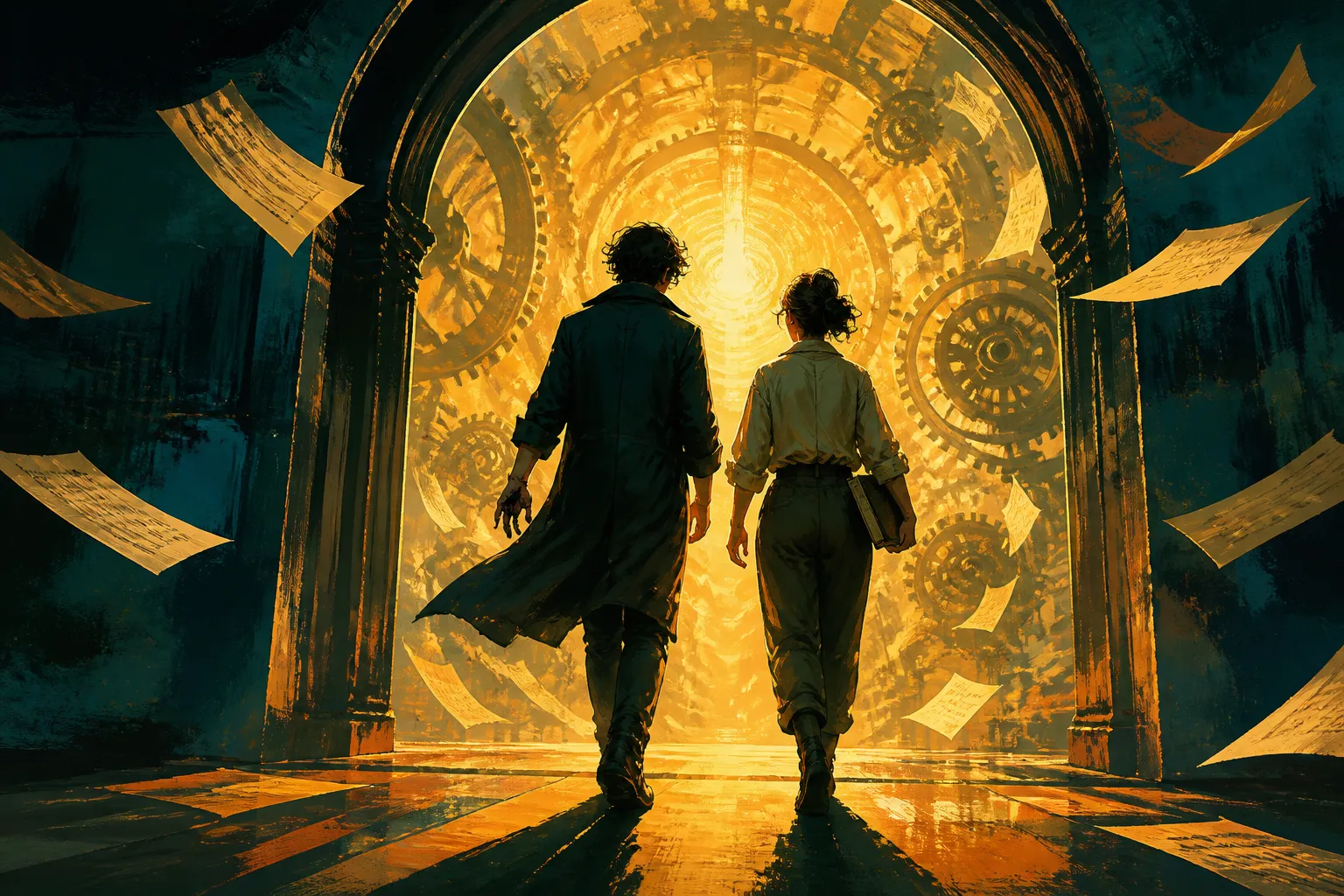
In Split Fiction, the second player is not a helper waiting for a difficult jump. Each player controls one of two writers trapped inside stories that a machine is trying to take from them. The premise gives cooperation a reason to exist, and the stages make it hard to forget: Mio and Zoe receive different abilities that work together. Progress belongs to the pair.
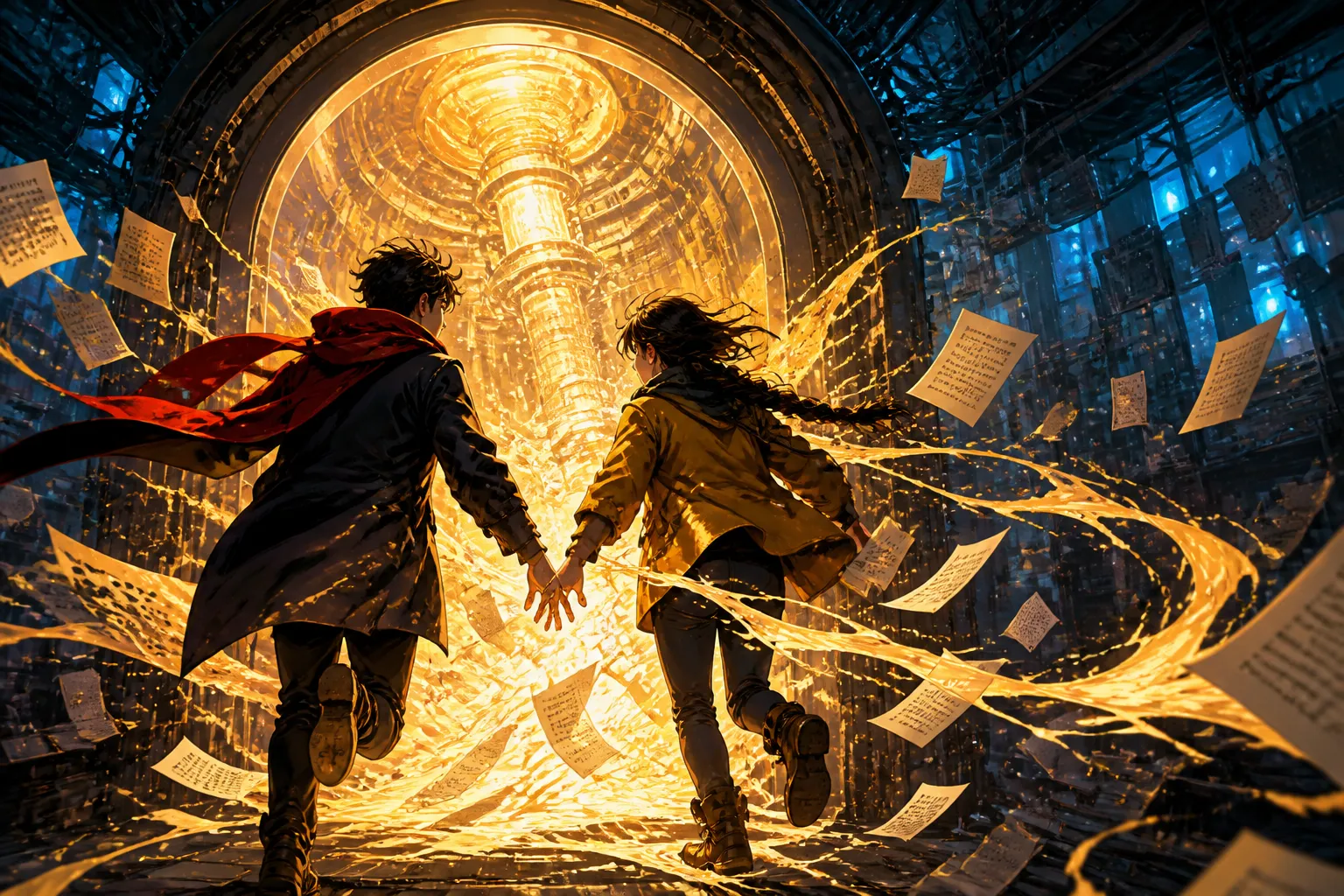
A partnership before the first puzzle
Hazelight Studios, the EA-published developer behind Split Fiction, has built a reputation around games made for two. Its previous release, It Takes Two, won Game of the Year at The Game Awards in 2021. Split Fiction, released March 6, 2025, for PS5, Xbox Series X/S and PC, follows that success with a premise that makes sharing the work feel urgent rather than merely pleasant.
Mio and Zoe are unpublished writers invited to test virtual reality machines that can bring stories to life. The opportunity hides a theft: as IGN describes it, the company intends to strip-mine their work. The two must cooperate to escape and stop its plan. They did not arrive as a practiced team. Mio favors science fiction, while Zoe favors fantasy, and their backstories emerge as they grow closer.
That contrast gives the partnership room to develop. They each bring a different imagination into the machine, but neither can protect her story alone. The friendship has a practical dimension before it becomes an emotional one. Trust matters because, at the next obstacle, one writer may have the ability the other needs.
Two sets of abilities, one way forward
Each player takes either Mio or Zoe. In every stage, the characters receive distinct mechanics designed to complement one another. That choice changes the usual balance of a cooperative game. If both players have the same tools, the more confident person can sometimes take over while the other follows. Split Fiction’s design asks both people to learn what they can do and pay attention to what their partner cannot.
The reviews describe puzzles and fights that rely on both players, while CNET calls the game a tailored cooperative experience. The important word is tailored. Cooperation is built into the tasks, rather than added as an extra set of hands. One player’s progress depends on the other recognizing their part in a shared problem.
That dependence can change a conversation on the couch or over a headset. Instead of asking a partner to keep up, a player has a reason to describe what they see and listen for what the other person has found. The design does not guarantee good communication, of course. It creates situations in which communicating has an immediate purpose.
Why the shifting genres matter
IGN describes a game that moves among puzzle platforming, third-person action adventure, side-scrolling and twin-stick shooting. Such changes could have felt like a collection of unrelated challenges. Here, they suit a story about two writers whose ideas do not fit neatly into one genre. The movement between science fiction and fantasy is also movement between ways of playing.
For a pair, each shift means learning a new shared rhythm. A solution that worked in a platforming section may offer little help in a fight. Because the characters’ mechanics change from stage to stage, neither player can settle permanently into the role of expert. Both have to look again at their tools and at the space between them. That recurring adjustment is part of the game’s argument about collaboration: familiarity helps, but attention to the person beside you still matters.
Who should bring a partner?
CNET recommends that fans of couch and online co-op take notice. Those are different social settings, but Split Fiction’s central demand carries across them. Two people need to make sense of each stage together. A friend or partner who enjoys talking through an obstacle is likely to get more from that arrangement than someone hoping to play independently alongside another person.
The story may also make the work of cooperating feel less abstract. Mio and Zoe begin as strangers with different tastes, then learn about each other while trying to get out. Players need not mirror that friendship for it to land. Still, taking turns explaining an idea, missing a cue and trying again can give their on-screen relationship a small echo outside the game.
These audience judgments come from partial review excerpts, not a complete account of every stage or mode. Readers deciding on a purchase should check the full CNET review and full IGN review, especially if they care about difficulty or the length of a typical session.
The invitation still has practical questions
Split Fiction has a Friend Pass that lets a buyer bring a friend to play for free. That removes one obvious barrier to finding a partner, but the cited review material does not spell out all the terms. A prospective pair should confirm how the invitation works on their platforms, whether there are time or platform limits, and what the guest needs to access it.
The excerpts also leave out price and discounts, the game’s length, and how it handles a partner dropping out. They do not establish whether solo play is possible or mention a Switch version or other platforms beyond the stated release list. Nor do two reviews give a full picture of reception. Those gaps matter most to anyone arranging regular sessions around another person’s schedule.
Split Fiction’s clearest promise is also its commitment. To see Mio and Zoe through their stories, two players must keep showing up for the same journey. The Friend Pass may make the invitation easier. The play itself asks them to keep accepting it.
Sources

Eliot Reed writes about the intricacies of virtual worlds, blending analysis with storytelling. As a house writer for GoAndGame, he delves deep into game mechanics and narratives, offering thought-provoking insights for players and developers alike.


