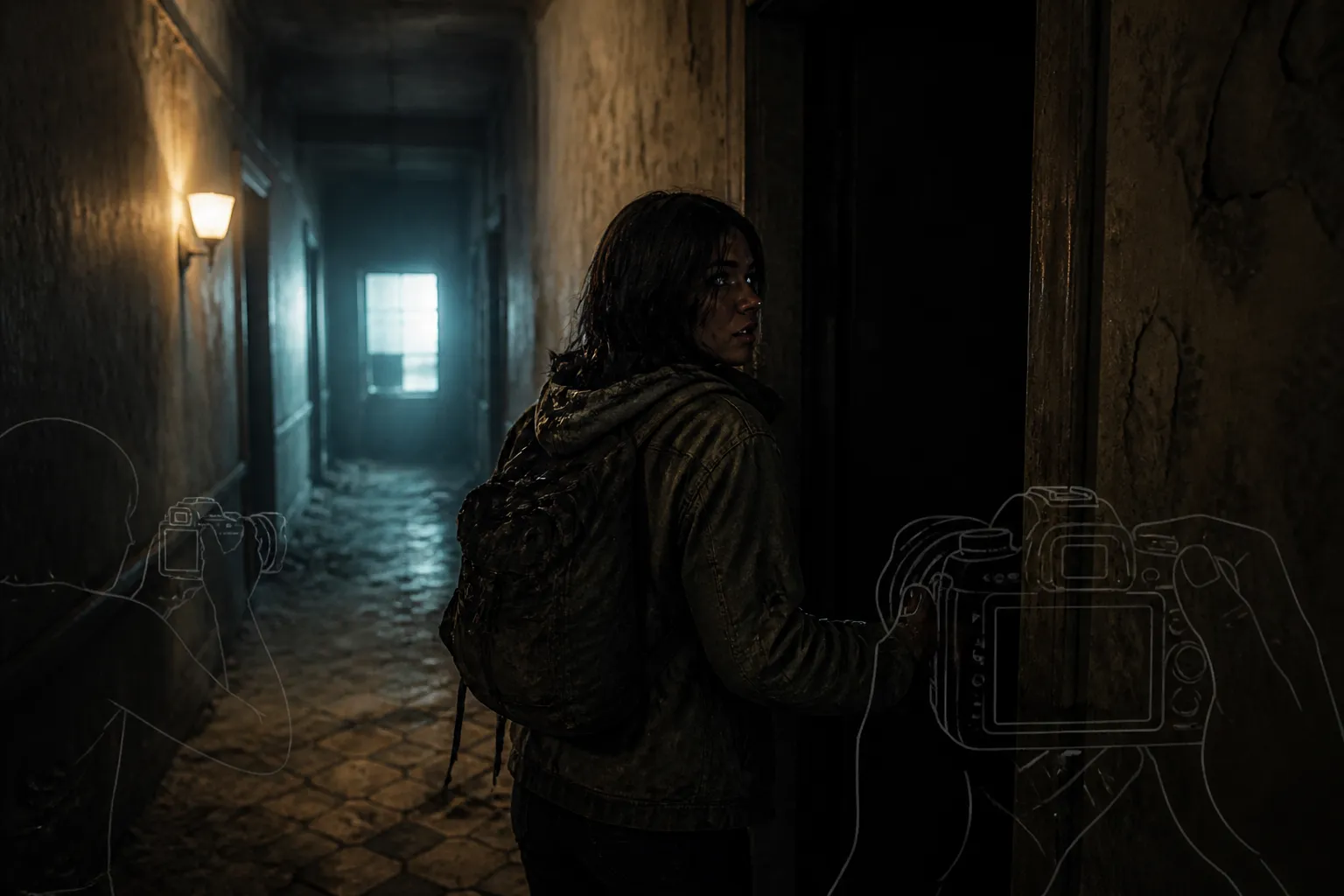
A hallway feels smaller when the camera stands inside it with you. Pull the view back, and you can see more of the room, but you can also see how Grace reacts to it. Resident Evil Requiem lets you switch between first-person and third-person views throughout the game. It is the first entry in the series to offer that choice, and both Grace and Leon can use either camera.
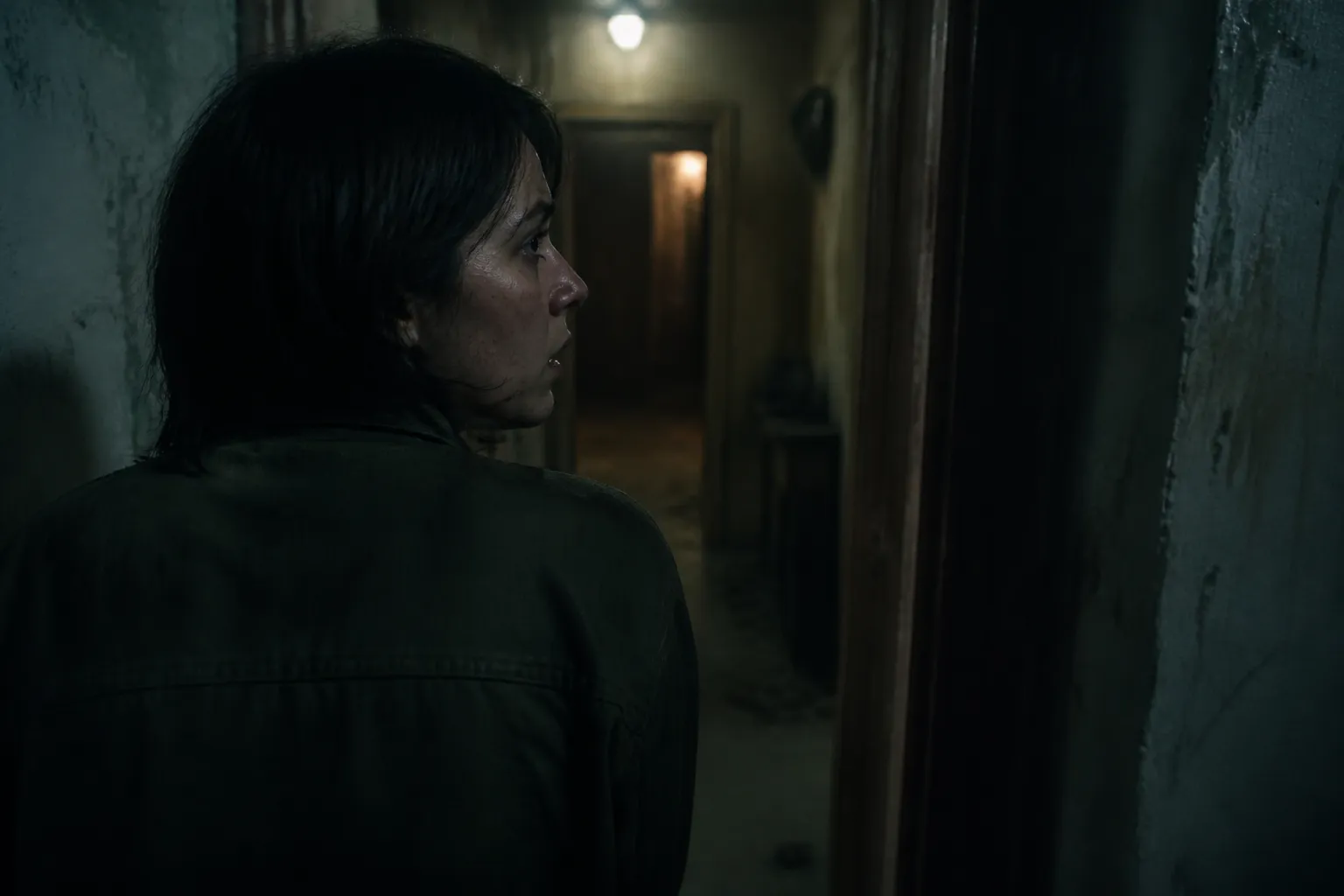
Grace was designed as a fearful lead. Director Koshi Nakanishi called her “the biggest scaredy-cat in Resident Evil history.” First person keeps your attention on what lies ahead. Third person puts Grace in the frame, making her hesitation and movement part of what you watch.
That difference matters most when you are under pressure. A close view can make a narrow room feel tighter, while a pulled-back view gives you more space to judge where a threat is coming from. Neither choice changes which character you play. It changes the information you notice first.
There is also a practical reason to try both. Some players find first-person movement uncomfortable or frightening enough to interrupt a session. Third person gives them another way through the same sections. If one view makes a chase hard to follow, you can change it without starting that stretch again.
Why both cameras are here
Resident Evil has used each perspective before. Resident Evil 4 through 6 used third-person cameras, while Resident Evil 7 and Village moved to first person. Village later added third-person support through DLC. Capcom has said that addition helped lead to Requiem offering the choice from the start.
Supporting both views takes more than moving a camera. Developers compared the work to “developing two separate games in parallel.” A shot that hides a threat in first person may reveal it when the camera pulls behind a character. Movement and framing also have to remain readable from both positions. In GoNintendo’s report, Capcom gave two reasons for including the options: some players found first person too scary, and another view could make play easier for some players.
How to change your view
You can switch during gameplay. Pause, open Options, go to the Camera tab, select View Mode, and choose First-Person or Third-Person. The change does not require a reload or checkpoint reset. Camera settings are kept per character, so you can leave Grace in one view and Leon in the other.
- Pause and open Options.
- Choose the Camera tab and select View Mode.
- Pick First-Person or Third-Person.
The setting does not make every moment use one uninterrupted perspective. Grace’s cutscenes often shift to first person, so returning to third-person play can feel abrupt. In some chase sequences, Grace can trip in third person but not in first person. Leon has a separate wrinkle: after you find specific gun parts, he can aim down sights in first person with weapons other than sniper rifles, even while his general camera remains in third person.
Grace benefits from a closer view, if you can stand it
Grace’s sections lean toward survival horror. First person keeps the frame close to a doorway or the end of a dark passage. That can make tight rooms feel more confining and sudden threats harder to keep at a comfortable distance. Wccftech recommends first person for Grace’s atmosphere, matching the recommendation the game gives at the start.
Third person offers a different source of tension. You can watch Grace stumble when a stalking monster pursues her, and in some chases you may see her trip. Her fear remains visible instead of being carried only by what is in front of the camera. If first-person movement causes motion sickness, third person may also be the more comfortable way to play her sections. The useful test is a demanding chase, not just a quiet hallway.
Leon has more to track
Leon’s sections are more action-oriented. When several enemies are nearby, a camera behind him gives you a wider view of their positions and the space you have to move. Wccftech recommends third person for his combat, again matching the game’s starting recommendation. First person is still available if you prefer to aim and move from Leon’s viewpoint.
Because the settings are separate, there is little reason to force the same choice on both characters. You might keep Grace in first person for the close framing and Leon in third person to watch a group closing in. On Switch 2, one camera guide suggests that aiming and camera movement may feel different in handheld play. That is a reason to test both views on the device, rather than assume a recommendation will fit your hands.
What remains unclear
The available sources do not provide a player-facing performance comparison for the camera modes across Switch 2, PlayStation 5, Windows, and Xbox Series X/S. They also do not say whether the choice affects achievements or difficulty. There is no independent play data showing how many people use each view, and accessibility options beyond the camera choice are not covered.
For now, the menu gives you a quick way to make the decision yourself. Try Grace’s next tense stretch in one view, then switch if the framing or movement gets in your way. When Leon’s section begins, his camera can be set on its own.
Sources
- Capcom says Resident Evil Requiem includes 1st and 3rd-person cameras because some players find 1st person too scary | GoNintendo
- Resident Evil Requiem - Wikipedia
- Best Camera Settings in Resident Evil Requiem: First Person or Third Person?
- Grace Ashcroft - Wikipedia
- Resident Evil Requiem Switch 2 Camera Guide – abxylute
- Resident Evil Requiem Can Be Played In Both First-Person And Third-Person Camera
- Should You Use 1st or 3rd Person in RE9?
- Resident Evil Requiem: How to Switch Perspectives & All Game Editions • PixelNitro

Eliot Reed writes about the intricacies of virtual worlds, blending analysis with storytelling. As a house writer for GoAndGame, he delves deep into game mechanics and narratives, offering thought-provoking insights for players and developers alike.


