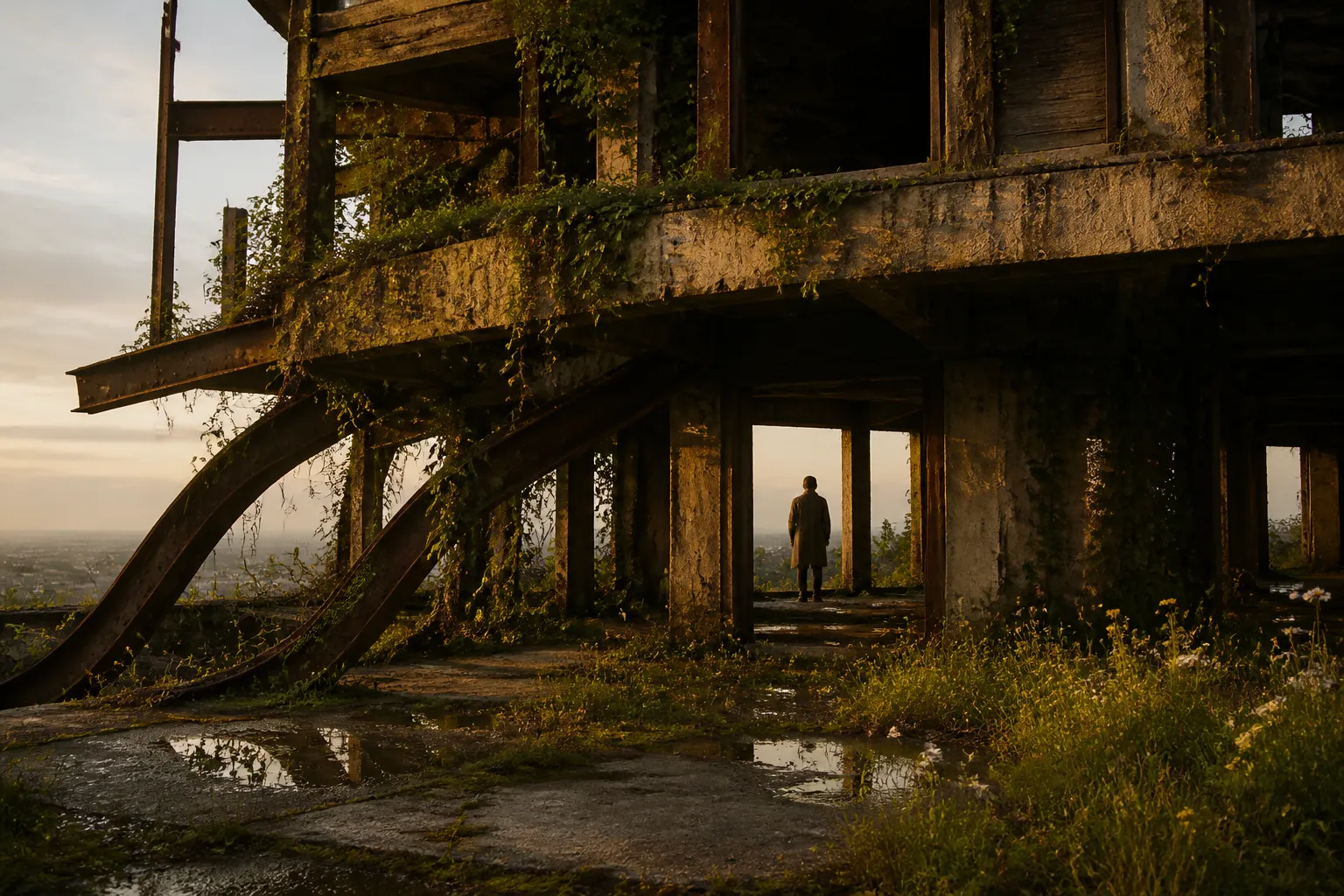
For generations, architecture has pursued an impossible ideal: permanence. Buildings are designed to last forever. This aspiration dictates material choices, structural engineering, and maintenance protocols. Concrete is cured for maximum strength. Steel is chosen for corrosion resistance. Glass panels must withstand decades of weather. This relentless drive for eternal structures carries environmental implications, a cost often overlooked in the pursuit of the immutable.
The Permanence Assumption and Its Costs
The conventional wisdom positions a building's indefinite lifespan as a hallmark of quality. This deeply embedded assumption constrains how designers and builders approach a project's life cycle. Every decision, from foundation to roof, prioritizes longevity above nearly all else. Material innovations throughout history have mirrored this goal. New composites promise greater endurance. Advanced coatings extend resistance to the elements. The entire industry focuses on deferring decay rather than acknowledging its inevitability. While the environmental costs of this approach are intuitively understood, precise figures detailing these impacts or comparisons to alternative methods remain largely unquantified.
Designing for Decay as a Deliberate Choice
A growing movement challenges this ingrained permanence. Circular design materials ask whether structures must endure indefinitely. This perspective reframes decay not as a failure, but as a deliberate life-cycle decision. The ruin aesthetic takes this further. It treats decay as a starting point. Instead of erasing time's passage, designs work with what remains. Projects like Hacienda Wabi in Tulum, Mexico, and Golden Beach Hotel in Paros, Greece, exemplify this. They employ local stone, chukum plaster, wood, and natural plaster palettes. These materials are chosen specifically because they age gracefully. They integrate natural wear into their evolving character. The ruin aesthetic preserves fragments of the past, creating space for the present within these aged forms.
Biomaterials and Biologically Integrated Architecture
Beyond aesthetic decay, emerging approaches propose architecture that actively flows with nature. This involves biomaterials. Hemp and mycelium represent a new frontier. These substances offer biodegradable alternatives to conventional components. The concept of biologically integrated architecture aims to address building waste. It proposes systems where structures might return to the earth without leaving lasting environmental harm. Temporary architecture and regenerative design also align with this thinking. They prioritize adaptability and ecological benefit. These differ from the ruin aesthetic. They focus on minimizing impact from inception, rather than celebrating the effects of time on enduring materials. The Lawrence Technological University source excerpt discusses biologically integrated architecture, but its substantive content regarding waste reduction is not available in the provided text, only site navigation.
Evaluating Designs That Are Meant to Age
Critical distinctions must be drawn when considering architecture intended to age. Is decay a deliberate life-cycle choice, or merely an aesthetic overlay? True circular design plans for end of life. It prioritizes material recovery. Projects like Vistalcielo in Merida, Mexico, offer a model for honest restoration. It revived an abandoned house in a historic center. It preserved original patios and passageways. This approach contrasts with an idealized view of the past. It shows its interventions clearly. Key questions arise for any designed-to-decay project: How much decay is intended? How will it be maintained over time? What controls are in place? An aesthetic focus on decay, divorced from structural performance or safety considerations, warrants careful scrutiny. These sources do not address such potential pitfalls, underscoring a need for independent verification.
Examining the Evidence: Missing Data and Critical Questions
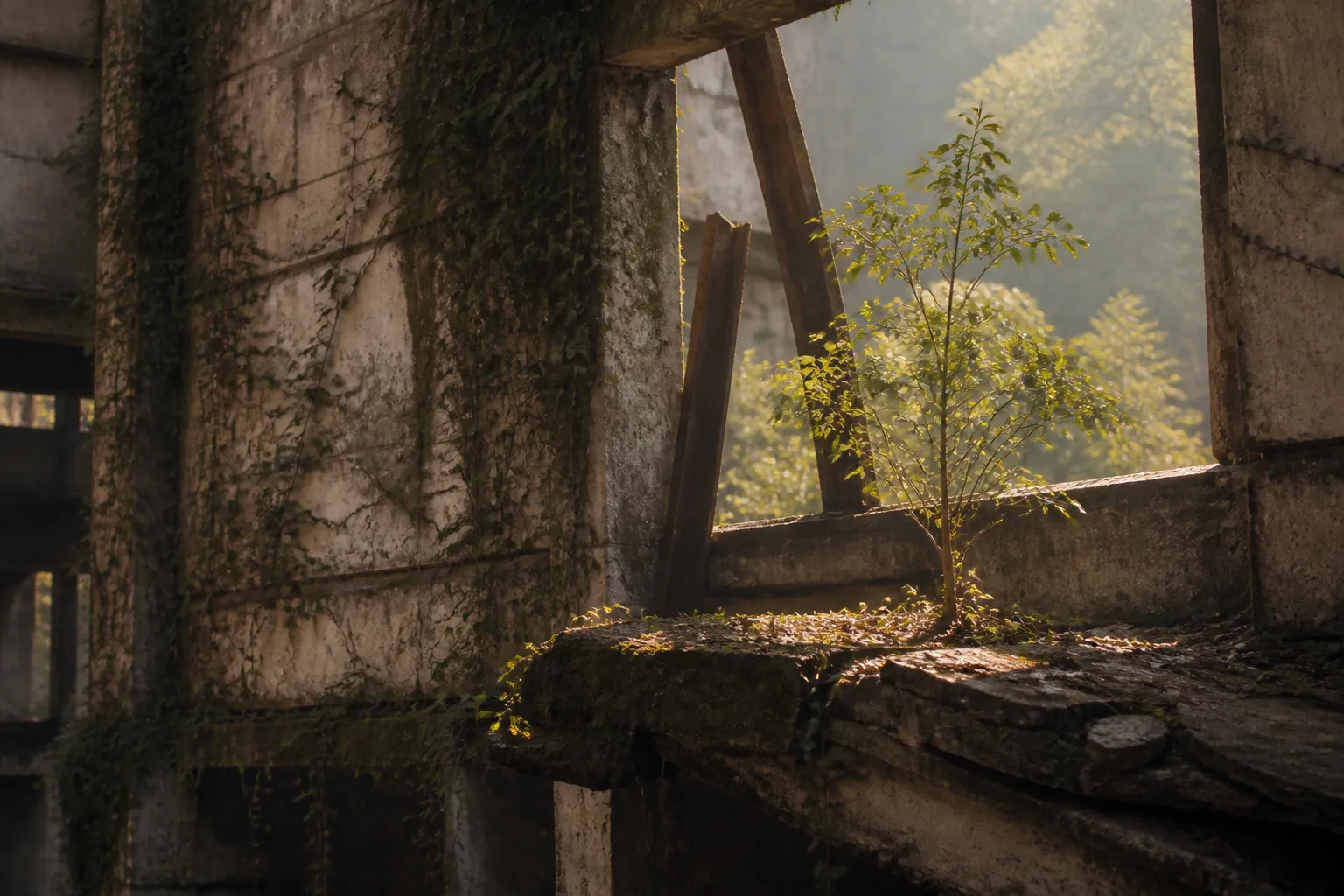
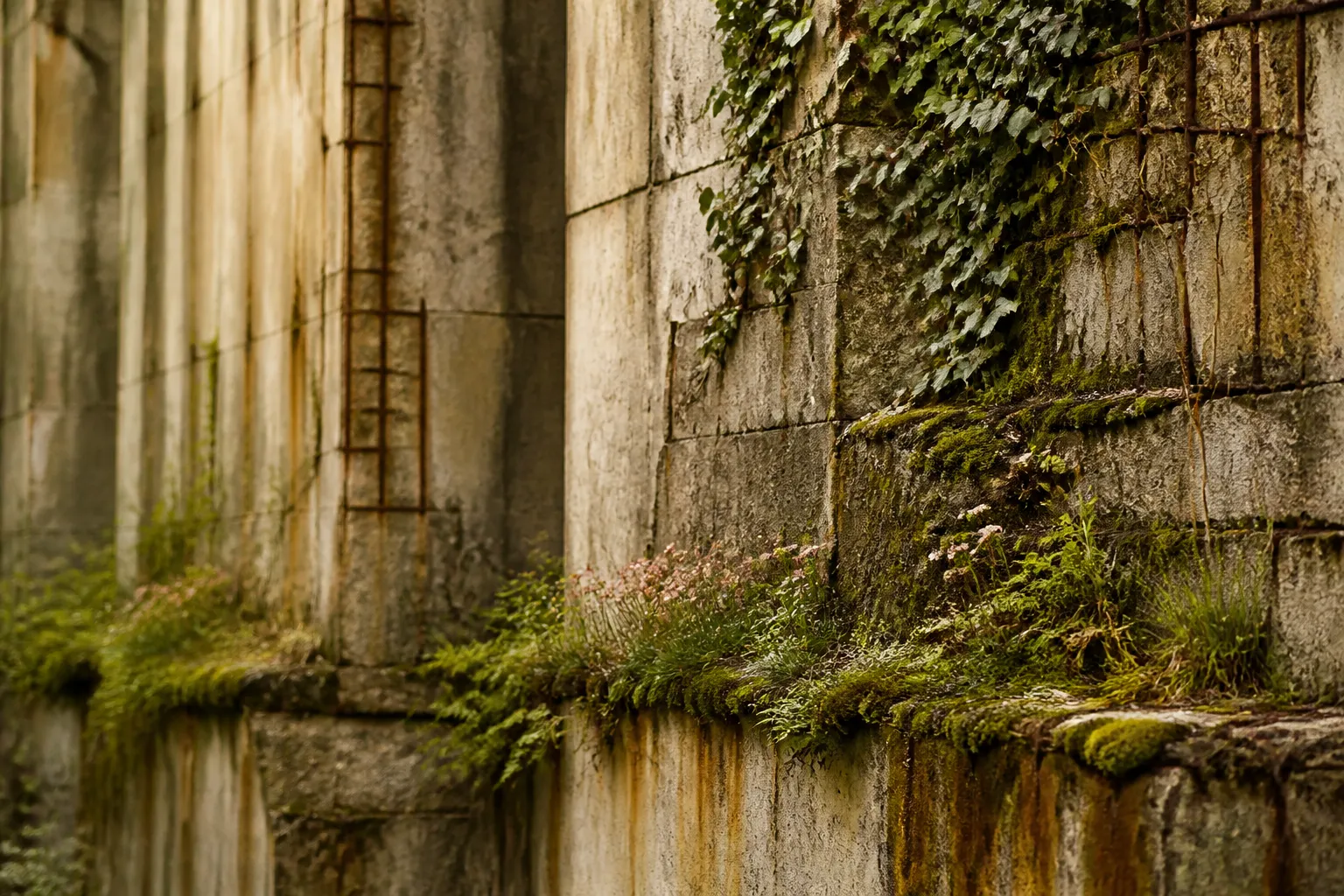
The discourse around designing for decay, while compelling, suffers from significant evidentiary gaps. There are no figures on the environmental cost savings of these decay-based designs. There is no comparable data against conventional, long-lived buildings. The absence extends to practical metrics: no cost comparisons for ruin-aesthetic or biodegradable structures, no projected lifespans, and no detailed maintenance figures. This makes it challenging to assess their real-world viability and impact.
Furthermore, crucial regulatory and safety information is absent. The sources provide no details on how such structures comply with building codes. Safety standards, durability testing, and specific regulations for designed-to-decay buildings are not discussed. Readers should consult official sources for such critical information before drawing practical conclusions about these architectural concepts.
Sources

Julian Thorne is a seasoned house writer for GoAndGame, known for his deep dives into obscure game mechanics and industry trends. He often explores the sociological impact of gaming, blending critical analysis with historical context.


