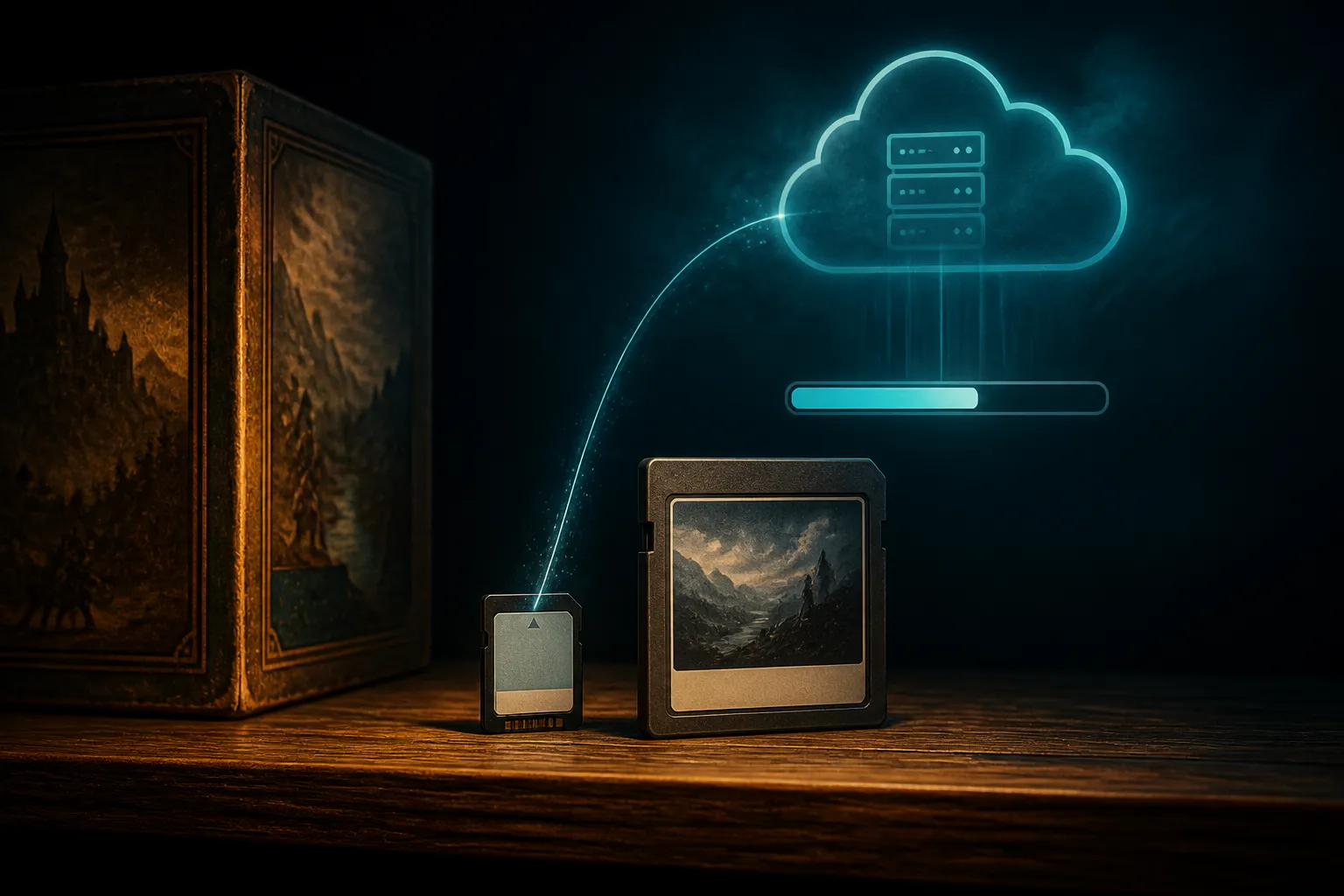
I have a shelf at home with board games older than some of my friends' careers. Last month I pulled one down, wiped off the dust, and played it. Nobody had to log in. That small, boring fact is what the Switch 2 game-key card argument is really about.
Game-key cards reflect the worst impulses of Nintendo.
Cory Doctorow, longtime anti-DRM advocate, speaking to Gizmodo
The critical case comes from a Gizmodo opinion piece, which I read through a ResetEra repost. The repost is undated and truncated, so I cannot say exactly when it ran or what it leaves out. The practical details below come from Nintendo support pages as summarized by PocketPlay, plus buyer guides. I will say where the sourcing runs thin.
What a game-key card actually sells
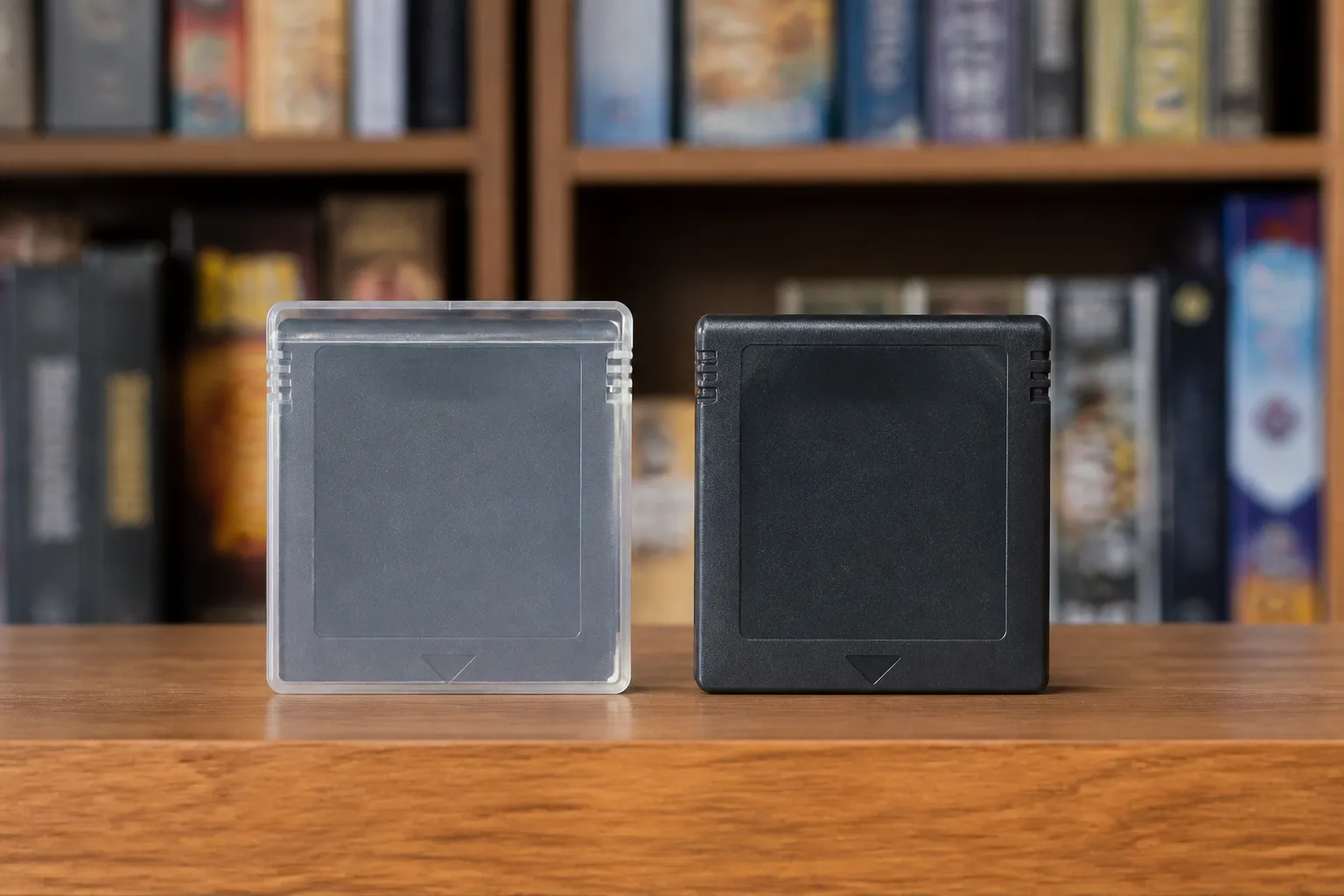
A game-key card looks like a game. It sits in a similar case and slots into the console. But it does not contain the game. It holds the key needed to download and start it. Think of it as a license key printed on plastic.
Nintendo's support pages say the card must be inserted every time you want to play, even after the download is finished. So you need both the card and the installed data. Lose either one and you have a problem.
Nintendo also says a Nintendo Account is not required to download the game data. That is a small point in the buyer's favor. The critics' complaint is about what happens after the download, not about the sign-up.
Why the debate is framed as ownership
The Gizmodo piece argues that the format takes the downsides of physical ownership, like theft and loss, and misses the benefits. That is a big claim for a small piece of plastic. The reasoning is that the card keeps the feel of owning something while the substance sits in a download.
Cory Doctorow, who has fought DRM for years, told Gizmodo that game-key cards reflect the worst impulses of Nintendo. That is an opinion, not a finding. He also argued Nintendo could distribute a game with a physical token and let players truly own it. A game you cannot play after losing the card, he warned, is a downloadable game with a physical wrapper.
There is also a survey. One report says Nintendo pulled a survey on physical game preferences after it went viral. I could not find results or a date in the sources, so all we can say is that people noticed.
The control and continuity questions
The critics make two kinds of claims. The first is about control. They say Nintendo could restrict accounts or remotely deactivate a console over suspected piracy. None of the sources explain how that works in practice, so treat it as an argument, not a documented process.
The second is about time. The critic's argument is that Nintendo could end the option to download older games whenever it likes. No source gives Nintendo's official statement on server longevity or its policy for downloading games later. That silence is the red flag. Nobody has promised how long the servers will stay up for card holders.
Picture a tabletop game whose box ships without the board and promises to supply it on request, for a period nobody states. You might be fine for years. You just cannot check.
What buyers can check before paying
Some of this is checkable today. Switch 2 supports both regular game cards and game-key cards, and some releases use one format while others use the other. A full-data cartridge and a game-key card are different products, so read the box.
Square Enix's Final Fantasy Resonance is the one concrete example in the sources. Its Japanese store says the Switch 2 packaged version needs an internet connection and at least 13 GB of free space for the first download. A retailer lists about 13 GB, while Nintendo's eShop lists about 11.9 GB as an estimate. The guide says the key card costs full price. That guide also notes Square Enix's North American store does not specify media contents for any platform, so the packaging may not make the format obvious.
There are upsides. One guide says game-key cards can be lent and resold, and that internet is only needed once, for the download. The same guide mentions a second console can use the card, but gives no detail on how. I could not find lending or resale terms in Nintendo's own words.
Before you buy, ask a few things:
- Does this release use a regular game card or a game-key card?
- How much free storage does the download need?
- Will you have reliable internet for the first download?
- Does the card still work if you lose it or it is damaged?
The last question has no sourced answer. One guide poses it and leaves it open. If you want the data on the cartridge itself, the FF Resonance guide points to the original Switch and PS5 physical versions instead.
The gaps are real. No source says how many releases use each format, and download sizes beyond the FF Resonance examples are unknown. My own test is simple: can I still play this after a loss or a server shutdown? For now, the honest answer is that nobody has said.
Sources
- [Gizmodo] We Should Reject the Switch 2’s Bogus Game-Key Cards or This Will Be the End of Physical Games | ResetEra
- Nintendo Switch 2 "Game-Key Cards" Are Basically Physical Releases Of Digital Games
- nintendo-switch-2-game-key-cards-physical-games
- How Game-Key and Virtual Game Cards Work on Switch 2
- Nintendo Switch 2 Game-Key Cards Explained: What Physical Game Buyers – Hype Gamer Gear
- Nintendo Switch 2 Game-Key Cards Explained | PocketPlay
- Final Fantasy Resonance Switch 2 Physical: Game-Key Card Explained
- Nintendo Switch 2 Game Key Cards Explained: How They Work, and What You Can Lend or Resell

Mara Solis is a staff writer at GoAndGame covering board games, tabletop strategy, and the culture around competitive play. She has spent years logging hours at game tables from local hobby shops to international conventions. Her writing blends practical insight with a genuine enthusiasm for the communities games create.


