Sixteen teams. A group stage that seeds the field. Swiss-style playoffs in Shanghai, 13 to 23 August, at the Oriental Sports Center. That is The International 2026, the fifteenth edition, and it is the format readers will actually judge. So start there, not with nostalgia.
What the 2026 format actually is
The structure is simple to state. A group stage sorts sixteen teams. Swiss-style playoffs then decide placements through accumulated wins and losses, with no single or double elimination bracket. Valve and PGL are listed as sponsors on one source, and the game is played 5v5.
One caveat before the argument starts. Neither source describes an earlier, larger International. The idea that TI has shrunk is my premise, drawn from how the scene talks about it. It is not a documented change in the material I have. I will treat it as a question, not a finding.
Why a Swiss structure may reward consistency
PandaScore's guide makes the core claim. Swiss pairing tracks results across the whole event, so a single hot streak does not carry a team. Inconsistency gets expensive because each pairing reflects what you have already done. The same source says this tends to produce closer matches deeper into the bracket than a knockout would, and that upsets are common.
The appeal is easy to see. A best-of-three that ends a run in one bad evening can feel cruel to the team and thin to the viewer. A format where a favorite must keep proving itself is easier to defend. The guide says the champion has to prove themselves over a demanding schedule.
The counterpoint is real, though. The same guide says group stage seeding shapes the entire playoff run, so early results carry outsized weight. A slow start may leave less room to recover. That cuts directly against the consistency story. A format can reward steadiness and still punish one stumble in the wrong week.
What decides the close ones
The source points to early-game net worth swings and objective control as the usual deciders in tight Swiss matches. That is a useful thing to watch for. If the claim holds, we should see fewer late comebacks and more teams winning the first fifteen minutes.
What a lean event could mean for teams and players
The tempting argument is that a tighter event helps player health and team budgets. It may. But no source assesses player income, team finances, or viewership under any format. That part is a hypothesis, and I have no data behind it.
The same goes for the pipeline. One source calls qualification the season-defining goal. Neither explains how teams get in. So I will not claim the format changes who qualifies. It may change nothing there.
Prize money needs care too. GosuGamers lists $3,442,957. PandaScore gives a $1,600,000 base that typically grows through community contributions before the event. Those figures are not directly comparable. One may be a running total while the other is a starting floor. Neither source compares against past editions, so neither says whether the purse has fallen.
- Verified in the sources: sixteen teams, group stage, Swiss playoffs, Shanghai venue.
- Not covered by either source: any benefit to income, finances, viewership, or qualification.
Open questions and how to settle them
Two small mismatches need fixing before anyone cites the schedule. GosuGamers lists a 12 August start, while PandaScore says 13 August. PandaScore also says ten days, though 13 to 23 August spans eleven calendar days. Neither source explains why. An official Valve schedule should settle both.
The bigger gaps need history. To test the lean-format case, the useful material is past-edition schedules, team counts and prize pools side by side. Viewership figures from before and after would help. Most of all, teams could say what the workload and the bills looked like. Player and org reports from this August would count for more than any guide.
It is also unclear how community contributions are raised and how large they get. Without that, the prize pool is a number with no story behind it.
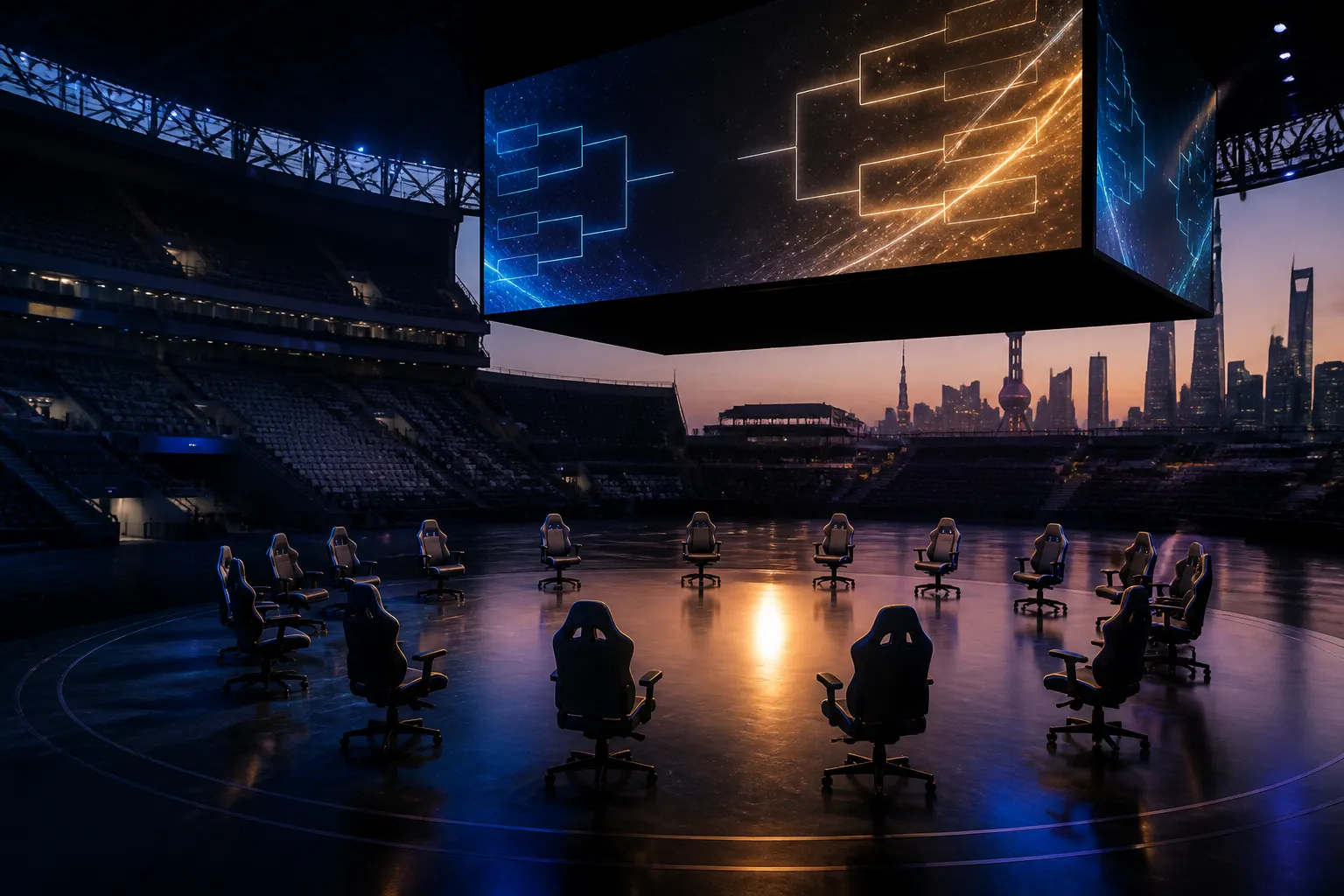
The Swiss format has a credible case for rewarding consistency, and the seeding risk is a fair worry. Whether a leaner International is better for the scene is still unproven. The first real evidence will be how the early seeds hold up and what teams say it cost them.
Sources

Priya Nambiar covers competitive gaming and emerging esports ecosystems for GoAndGame, with a particular focus on Southeast Asian scenes and grassroots tournament culture. She came up through community forums before moving into sports journalism, and that background shapes everything she writes.


