
The industry's increasing reliance on revisited titles is not simply a nod to nostalgia. Publishers navigate a complex calculation of risk, cost, and consumer expectation. The distinctions between a remaster and a remake are more than semantic; they represent fundamentally different investments and outcomes.
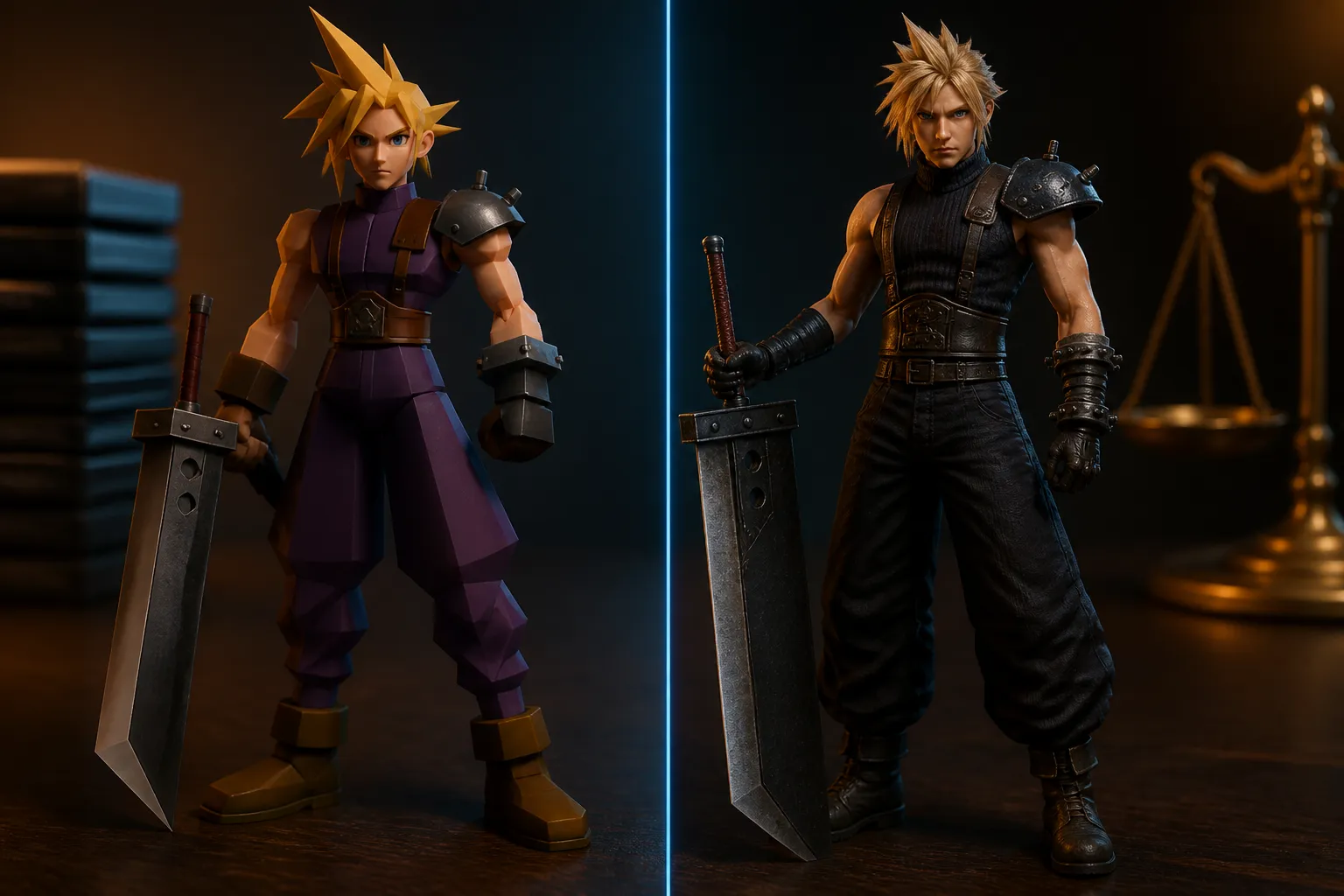
This variance in approach dictates not only the development pipeline but also the value proposition to players. Understanding whether a game receives a light polish or a full reconstruction clarifies what buyers can reasonably expect from their purchase and from the enduring digital legacy of a title.

These figures illuminate the commercial forces at play. They underscore why the market segment for older games is not just surviving but actively being reshaped by corporate strategy.
Why publishers are revisiting the past
Shigeru Miyamoto's July 2026 remarks in Famitsu identified key drivers for the industry's focus on legacy titles. He stated that players typically move on after about five years, new generations struggle to access games a decade old, and promoting original titles helps fund future development. These points represent a stated rationale, but a deeper look reveals a calculated business advantage. Revisiting established brands significantly lowers launch risk. Publishers begin with built-in brand awareness, bypassing the expensive, uncertain gamble of entirely new intellectual property.
This trend is not minor. Among the 50 highest-rated games of 2025, a compiled list by TheGamer based on Metacritic scores, 32% were remakes, remasters, or re-releases. This marks a sharp increase from 20% in 2024. This growth suggests a strategic pivot, driven by a desire to capitalize on proven entities rather than merely preserving history. The industry's past becomes a financial asset, not just a cultural archive.
Remaster versus remake: what actually changes
The terms "remaster" and "remake" are often used interchangeably, yet they denote vastly different undertakings. A remaster involves a light touch-up, primarily improving resolution and frame rates. It enhances the existing foundation. A remake, conversely, rebuilds the original from the ground up, often using modern engines. It retains only the core framework, reimagining much of the experience.
In 2026, remakes frequently integrate modern accessibility options, robust online systems, and built-in tools for sharing content on streaming platforms or short videos. These additions reflect contemporary player expectations. The difference in scope profoundly impacts development costs, timelines, and ultimately, the retail price. Buyers who do not distinguish between these categories risk misunderstanding the product's true value. A high price for a mere visual bump can feel like a poor return.
The economics of a rebuild
Industry analysis firm Ampere Analysis tracked Xbox, PlayStation, and Steam users between January 2024 and September 2025. Their sample of 42 titles, comprising 15 remakes and 27 remasters, revealed a significant economic disparity. Average consumer spending per remake was 2.2 times that of a remaster. This figure includes base game sales and any in-game purchases, totaling over $1.4 billion from 72.4 million users.
Remakes demand higher production costs and longer development cycles. However, their ability to sell at full price and maintain player engagement for extended periods makes them commercially attractive. It is important to note that these Ampere figures measure consumer spending, not profit. The sample size is limited to 42 titles across specific platforms and a 21-month period. Reading these numbers as a complete financial picture of the entire remake market would be an oversimplification. They indicate a trend of higher consumer investment in more comprehensive rebuilds.
Fixing old design without losing the original
Remakes offer a unique opportunity to rectify original design flaws without abandoning the core experience. Clunky controls, slow pacing, and limitations imposed by older hardware can be addressed. This includes implementing smoother frame rates, more fluid camera movement, faster loading times, and modern checkpoint systems. The objective is to improve usability while preserving the game's identity. For instance, the updated controls in Asteroids Remake offer a sharper experience without losing the original's frantic pace.
Simply touching up graphics often leads to user backlash and supports only a lower price point. A comprehensive rebuild, however, is often treated by the market as a new release, justifying a full retail price. This distinction highlights player expectations; a remake must earn its "new" status through substantive changes. An open question remains: why do some remakes immediately resonate with players, feeling essential, while others seem hollow? The available data provides no clear answer to this qualitative divide, suggesting that the success of a remake hinges on more than just technical upgrades.
What buyers should check before purchasing
Discerning buyers must actively verify whether a product is a true rebuild or merely a visual touch-up. Evaluate if the title retains the original's essential character while addressing its frustrating elements. Does it incorporate modern controls, performance improvements, and accessibility options, which players now expect? These details determine the long-term satisfaction of the purchase.
Available market guidance still presents significant gaps. The sources do not offer specific remake development costs, typical retail prices, or detailed pricing comparisons with original versions. Crucially, information on licensing, ownership, or whether a remake replaces access to the original game is also absent. Consumers should independently verify these critical aspects before committing to a purchase. The onus remains on the buyer to navigate this evolving segment of the game market with careful scrutiny.
Sources

Julian Thorne is a seasoned house writer for GoAndGame, known for his deep dives into obscure game mechanics and industry trends. He often explores the sociological impact of gaming, blending critical analysis with historical context.


